Archives

Fredrik Reinfeldt opens Nordic TR seminar to 130 attendees

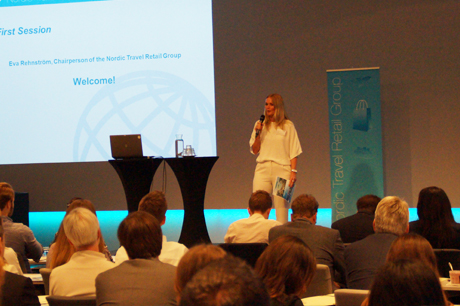
NTRS-2017-lead Nordic Travel Retail Group (NTRG) Chairperson, Eva Rehnström welcomed 130 delegates to the Nordic Travel Retail Seminar in Helsinki this morning, while addressing the seminar theme of ‘Global Change’ and acknowledging the strong support NTRG receives from the Nordic Baltic region.


As promised in the schedule, former Swedish Prime Minister Fredrik Reinfeldt (2006-2014) opened proceedings, drawing on his 25-plus years of experience in the international political arena.


He talked about the global influences forcing change, while imparting substantial time to ongoing geopolitical changes, migration and digitalisation.


REINFELDT INTERACTED WITH DELEGATES

Reportedly energetic, with a statesman’s overview, he also interacted with a very attentive audience who sought both his opinions and insights before he departed following the lunch break.


Eva-Rehnström-lead

Nordic Travel Retail Group (NTRG) Chairperson, Eva Rehnström welcomed 130 delegates to the Nordic Travel Retail Seminar in Helsinki this morning.

The agenda was then set for the afternoon where ETRC Secretary General Keith Spinks was scheduled to talk about Brexit and its impact upon duty free sales and the scale of the opportunity for the industry.


Jessica Lee (CEO, Jelladin International Pte) and Hannes Koch (Managing Director, Travel Retail Cooperation) were then scheduled to talk about the Asian travelling shopper, while former Finnair COO and Deputy CEO Ville Iho was due to address the future of airlines in the travel ecosystem.


‘DEPENDENT ON OUR ABILITY TO CHANGE…

Last, but not least, the popular Swedish economist Kjell A. Nordström was due to deliver the closing keynote at this year’s seminar again, following the much appreciated presentation he delivered in Stockholm in 2016. TRBusiness hopes to deliver more news on the content of these later presentations tomorrow.


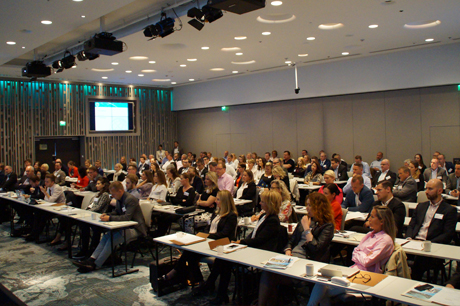
Today's audience listens attentively at audience at Scandic Park Helsinki

This year’s attendance was even better than last year, according to the organisers. Click image to enlarge.

Meanwhile, in a brief extract from her address to the audience today, Eva Rehnström emphasised how important she believes it is that the industry is able to adapt to change, as she explained.


“We might not all embrace change even [though] we believe that we are able to adapt to changes. But for sure we are dependent on our ability to change, and therefore it is important that we meet as an industry to discuss ongoing and future changes – local and global.


RECORD NUMBER OF DELEGATES AGAIN…

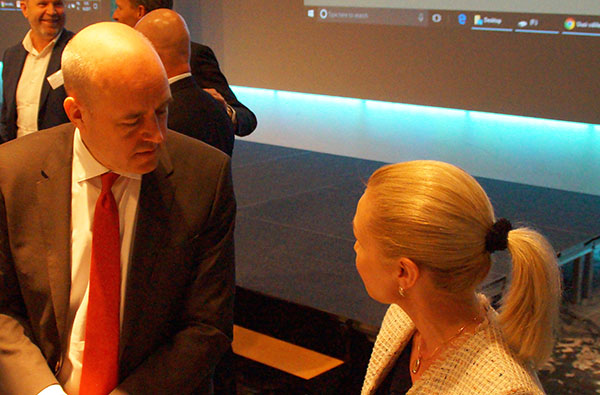
former Swedish Prime Minister Fredrik Reinfeldt Reinfeldt sharing insights with audience members at today's event

Former Swedish Prime Minister Fredrik Reinfeldt interacted with delegates during the breaks at today’s event.

“Once again, we are carried away by the support of our members and guests from the DFTR industry and it is with great joy that we note a match of our previous record high appearance [meaning delegate attendance level-Ed].


“The Nordic Travel Retail Seminar is established as a must-attend event in the Nordic & Baltic region and we are already looking forward to planning next year’s seminar.”


Today’s seminar was moderated by Dermot Davitt from the Moodie Davitt Report and following the seminar at Scandic Park in Helsinki, attendees will now attend a dinner tonight in central Helsinki.


29 APAC destinations report 88.5m IVA pax +5.6% in Q1

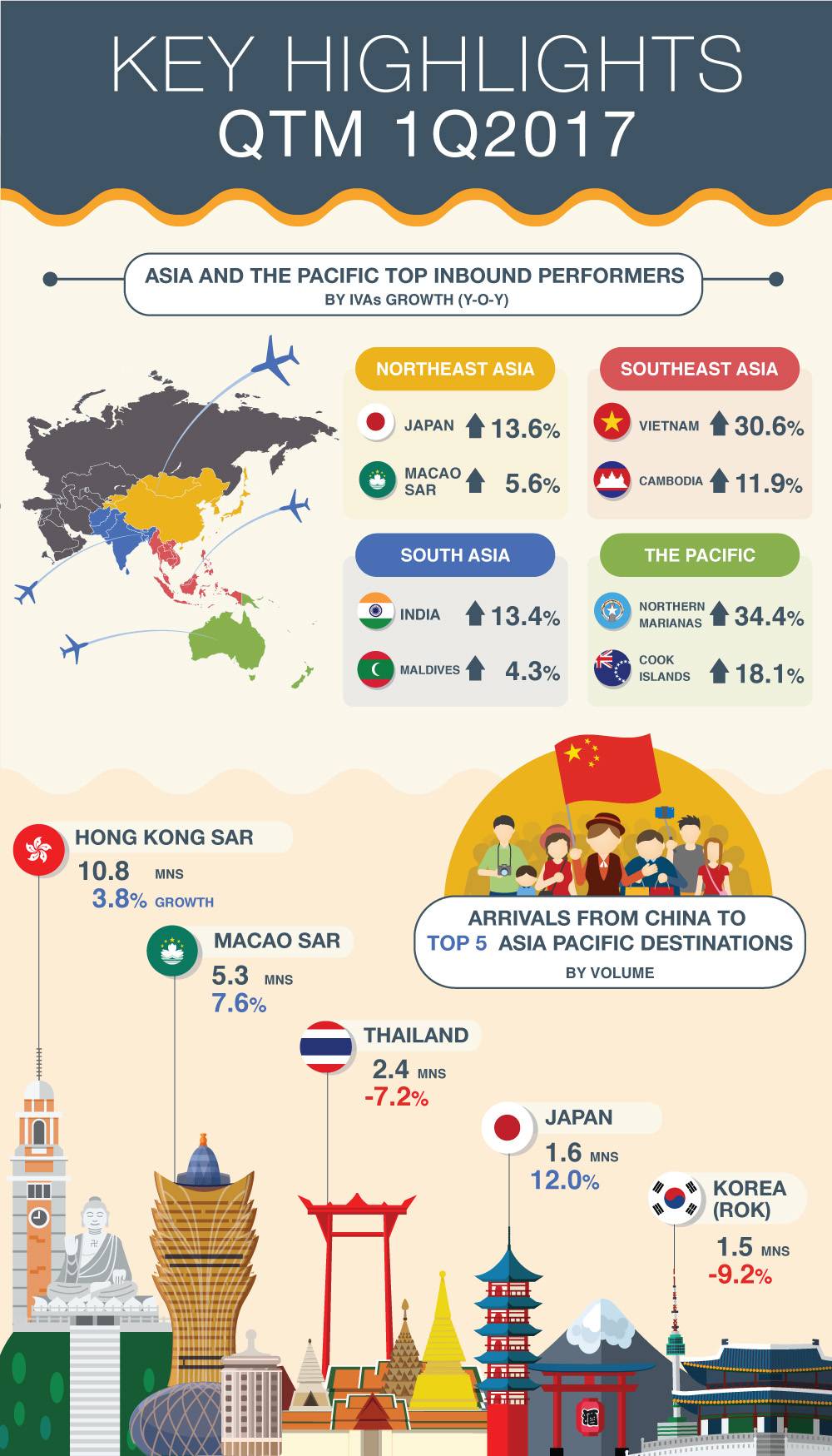
Key Asia tourism Q1 PATA 2017 TOP The Pacific Asia Travel Association (PATA) reports that 29 Asia Pacific destinations achieved a combined inbound total of 88.5m in Q1 2017, representing a growth rate of 5.6% compared to Q1 2016.


While PATA points out that these results can only include those markets that have released Q1 data, it nevertheless says that its overview in its Quarterly Tourism Monitor (QTM) is ‘an authoritative view of inbound travel, by origin markets, for all major destinations in the Asia Pacific region’.


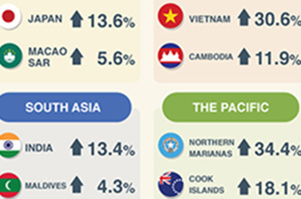
Within these numbers, PATA says that South Asia achieved a year-on-year growth of 10.8% thanks to an impressive 13.4% international visitor arrivals increase to India, while Vietnam’s growth rate – the strongest gain in south-east Asia – was even higher at 30.6% during the period.


Vietnam benefited from ‘significant increases’ in visitor arrivals from China (+63.5%) and South Korea (+29.2%) while Japan led the pack in Northeast Asia with year-on-year growth of 13.6% and Chinese Taipei (i.e. Taiwan) registered a 10% rise over the same period


Key Asia tourism highlights Q1 2017

Click on table to enlarge.

CHINESE DOWN IN SOUTH KOREA AND THAILAND

PATA added: “Northern Marianas dominated the Pacific region with a solid growth of 34.4% for the quarter, boosted by strong arrivals from South Korea (+106.5%) while Chinese Taipei (+250.5%) led the source market pack – at least in percentage growth terms.”


The association added that China obviously remains a strong source market within Asia and the Pacific regions and besides Vietnam, the Japanese market also benefited from ‘a solid arrivals growth’ of 12% from China during the first quarter.


However, on the negative side, Chinese visitor arrivals to both South Korea (-9.2%) and Thailand (-7.2%) declined in the first three months of this year.


Ban Ki-moon joins TFWA Cannes speaker line-up

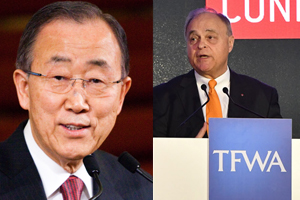
Ban-Ki-Moon-and-Erik-leadFormer United Nations Secretary-General, Ban Ki-moon will join former President of Ireland, Mary Robinson, and Editor-at-large of Wired UK, David Rowan on stage at the TFWA World Exhibition’s Opening Conference on 2 October in Cannes.


As is customary, the conference will be opened by TFWA President Erik Juul-Mortensen, who will deliver his annual State of the Industry address, followed by a presentation from former United Nations Secretary-General, Ban Ki-moon.


Ban Ki-moon was the eighth Secretary-General of the United Nations, serving two consecutive terms from 2007 to 2016.


Ban-Ki-moon-largeHe is acutely aware of East Asia’s importance to world stability and of the obstacles on the road to lasting peace and prosperity.


NEED FOR CALM LEADERSHIP

He will be addressing the new global landscape at a time where the need for a calm leadership has never been greater.


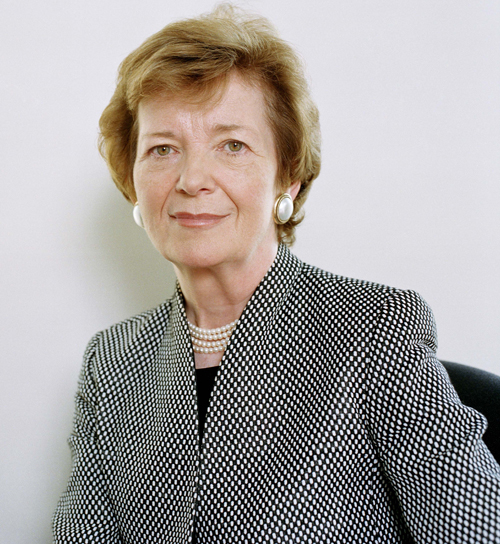
As the duty free and travel retail industry celebrates its 70th anniversary, the conference will welcome a speaker from ‘the birthplace’ of the industry. Mary Robinson, the first female President of Ireland, is one of the country’s most respected public figures.


Mary-Robinson-largeAlso serving as UN High Commissioner for human rights from 1997 to 2002, Robinson has been credited with transforming the Irish presidency and playing a vital role in building peace in Ireland.


Since her presidency, Robinson has worked endlessly to promote human rights and end poverty worldwide, earning her numerous honours and awards including the US Presidential Medal of Freedom in 2009.


70 YEARS AND COUNTING…

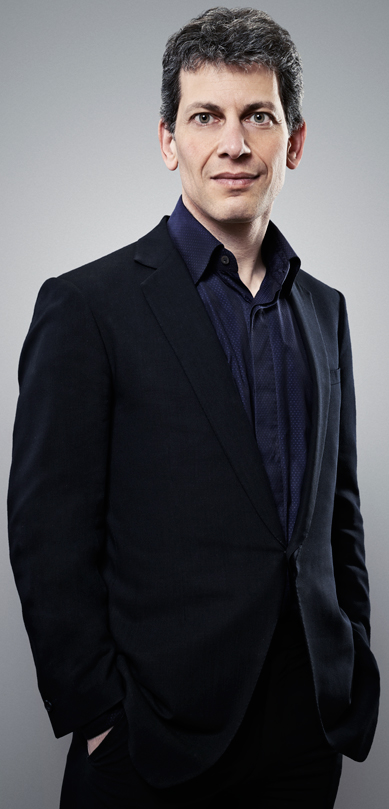
David Rowan at the helm of award-winning technology and trends magazine Wired UK, is also a particularly appropriate speaker this year, as TFWA launches the exhibition’s ‘Digital Village’.


Rowan is an acknowledged expert on the powerful influence of technology on businesses and everyday life after serving as Editor-in-chief for just under eight years following the launch of Wired UK.


David-Rowan-Wired-UK-EditorRowan will be looking at the duty free and travel retail industry from the viewpoint of a tech start-up and analysing how advances in technology will transform traveller behaviour.


“This year’s TFWA World Exhibition & Conference speakers are especially well placed to explain the forces that will shape our industry and landscape in the future,” said TFWA president Erik Juul-Mortensen.


“In the year of our 70th anniversary, it is more important than ever that we celebrate our history, but also equip ourselves for the challenges of the years and decades to come.”


The conference will once again be moderated by Stephen Sackur, journalist and presenter of current affairs programme HARDTalk on BBC World.


The exhibition will run from 1-6 October 2017. More information, including full details of pre-registration, which is now open, can be found at www.tfwa.com.

Hunter and Palmer promise new airport retail insights

Keith Hunter.

Keith Hunter.

An intriguing new dual partnership is promising to improve business strategic positioning and performance in the key sectors of airlines, airports, investors and retail operators – according to joint founders, Keith Hunter and Nicholas Goddard-Palmer.


With more than 25 years’ industry experience, the two well-known travel retail industry retailers believe they can provide clients with first-hand knowledge and insight to help them make more informed decisions.


HUNTER WAS HEAD OF A HUGE OPERATION

For the uninitiated, Keith Hunter was most recently the Senior Vice President of Qatar Duty Free for Qatar Airways, having headed up the retail side of the Qatar Duty Free ground shops, as well as Qatar Airways’ inflight business. He also identified and even created both retail and F&B tenancies and brands at Hamad International Airport.


Nick Palmer

Nicholas Goddard-Palmer worked with Aer Rianta International in various locations for several years.

This world-class multi-billion-dollar airport hub comprised more than 40,000sq m of retail and F&B space and was rated the world’s fifth best by SKYTRAX after less than two years, besides winning the title of Global Travel Retailer for three years in a row.


By contrast, Nicholas Goddard-Palmer was also a driving force behind the Hamad International Airport F&B programme – the winner of SKYTRAX 5th World’s Best Airport for Dining 2017 – following spells as the CEO of DDFS at Delhi’s Indira Gandhi International Airport and also as Project Development Manager for Cyprus airports.


Both individuals say they also have a unique aproach which differs from existing consultancies, as they explained: “We differ from our competitors because we don’t simply analyse data and form an opinion/strategy; but work personally with our clients to deliver the detail – whether it be building and developing viable, sustainable and award-winning commercial business models, or enhancing and problem-solving within existing business structures, bringing real value and benefit.


GETTING THE BALANCE RIGHT…

“There is a general perception that for retailers, a space in an airport should be easy money. However, as operators we know that actually it is all too easy to get the balance wrong. A constantly shifting international audience, combined with recruitment issues and procedural and safety concerns can blur the lines between simply catering for passengers and really accommodating their needs.


Keith Hunter pic

Keith Hunter was largely responsible for building up Qatar Duty Free into the second largest duty free airport operation in the Middle East.

“Also the delicate friendship between operator and retailer has to be considered alongside the particular demands of airlines – relationships that should be totally symbiotic, but are often fraught with difficulties. We offer a clear path through this minefield.


“We believe that success comes from understanding the particular challenges and opportunities of airport retail, a totally unique environment. We are specialists in airport retail.”


Both partners say they also know a thing or two about using passenger segmentation and destination analysis; terminal utilisation and development; category merchandising; concession planning and retail design; along with customer spend; retail turnover; and rental income modelling.


The new partnership says it is also flexible and experienced at working on both very big and small projects, alongside its skill for both transferring knowledge to clients and conveying this and other expertise to commercial project teams.


Contact details for both individuals are as follows: Email: [email protected] Tel: +44 (0) 7951 799 094 Email: [email protected] Tel: +44 (0) 7951 799 394 Hunter Palmer Website: www.hunterpalmer.net


Goh Choon Phong is the new IATA Chairman of the Board

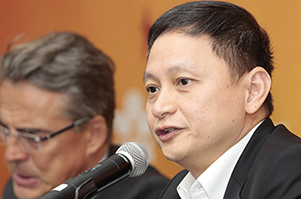
Goh Choon Phong, CEO of Singapore Airlines IATA TOPThe International Air Transport Association (IATA) has confirmed the appointment of Singapore Airlines’ CEO Goh Choon Phong to the position of Chairman of the IATA Board of Governors (BoG) for a one-year term.


The appointment was confirmed at the recent 73rd IATA AGM in Cancun, Mexico, with Goh succeeding IAG CEO Willie Walsh, who will continue to serve on the Board of Governors and the Chair Committee.


SECURITY IS TOP OF AGENDA

Commenting on his new appointment, Goh Choon Phong said: “It is an honour to serve as IATA’s Chairman for the coming year. While the industry’s global profitability may be strengthening, there is more work to be done as it is not evenly spread.


“Security is at the top of the agenda. We must improve our partnership with governments to meet the many emerging threats.


Goh Choon Phong, CEO of Singapore Airlines Chairman IATA

Goh Choon Phong, the CEO of Singapore Airlines and new Chairman IATA wants to spread the profits around.

“Additionally, I will be paying special attention to progressing preparations for the Carbon Offset and Reduction Scheme for International Aviation (CORSIA), driving the modernization of cargo processes, and increasing transaction volumes with the New Distribution Capability.”


Goh joined Singapore Airlines in 1990 and held senior management roles in Singapore and overseas before being appointed CEO in 2011. He was President of the 68th IATA AGM, which was held in Singapore in 2011 and has served on the IATA BoG since then.


CLIMATE CHANGE PROGRESS

Alexandre de Juniac, IATA’s Director General and CEO added: “I want to express my sincere appreciation to Willie Walsh for his strong support and leadership as Chairman of the IATA Board of Governors.


“Willie’s insights were especially helpful as I settled into the job of Director General.


qatar akbar al baker 2

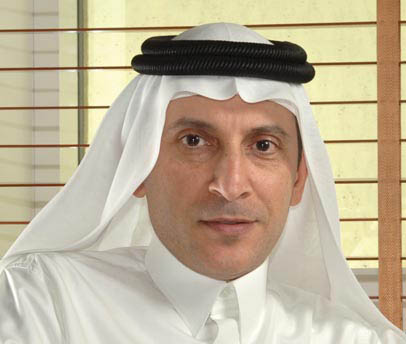
Akbar Al Baker, CEO of Qatar Airways is expected to be the next IATA Chairman.

“And it was great to see the historic CORSIA agreement being achieved during his tenure as Chairman. Willie has been a long-time advocate for a market-based measure to help meet our climate change commitments.”


IATA has also announced that the Board of Governor has agreed to appoint Akbar Al Baker, CEO of Qatar Airways as Chairman of the IATA BoG from June 2018 on a one-year term following Goh’s contribution.

BA suppliers and pax count cost of 479-plus lost flights

Top britishairways-planesPassengers and suppliers at British Airways have been counting the huge cost of the British Airways IT disaster on Saturday May 27 (and part of Sunday May 8) now that the official figures are out showing that 479 BA flights were cancelled on the Saturday alone.


These numbers published in the International Airlines Group (IAG) May figures will also doubtless reflect less than favourably on the retail operations at London Heathrow – BA’s dedicated T5 facility – and also at Gatwick airports for both dates – although the latter airport was able to operate several flights on the Sunday.


70,000 UNHAPPY PASSENGERS

Current estimates based on airline schedules suggest that more than 70,000 BA passengers had their flights cancelled or delayed, with IAG now facing the music with its shareholders who are bracing themselves for the compensation payments that will now have to be paid passengers.


British Airways CEO Alex Cruz

British Airways CEO Alex Cruz did his best to apologise to passengers over the IT breakdown, but now he and other senior management have to explain what happened to IAG shareholders.

In a statement, BA said: “On 27 May, British Airways was affected by a power failure leading to severe disruption to flights.


The airline cancelled 479 flights (59% of operations) on that day and 193 flights (23 per cent of operations) on 28 May. By 29 May, the airline was flying the vast majority of its schedule.


“An independent investigation will examine every aspect of the power failure. British Airways is working hard to compensate affected passengers as quickly as possible.”


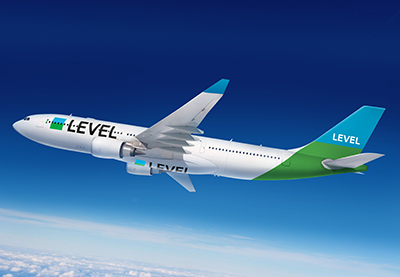
In further more positive news, IAG reported that on 1 June that the Iberia-managed new low-cost carrier LEVEL began its twice-weekly service from Barcelona to Los Angeles with a completely full flight comprising 314 passengers with a new Airbus A330 [as is the case with Iberia, DutyFly Solutions supplies the inflight duty free service with its sister airline LEVEL-Ed].


A330 IAG Level indicator

The maiden flight was fully booked and the future for this Iberia-managed carrier looks good, says IAG.

LEVEL SET TO BROADEN EUROPE BASES

In addition on 2 June, LEVEL commenced its three-times-a-week service to San Francisco (Oakland) with both of these flights representing Spain’s first long-haul low-cost operation. IAG added that it is also ‘the first step’ towards LEVEL’s expansion from other European cities.


The company said: “In 2018, LEVEL will increase its fleet to five aircraft. LEVEL’s sales are well ahead of expectations in all markets with more than 134,000 tickets sold since its launch on 17 March.”


Perhaps the best news on the traffic front was that IAG’s group premium traffic for the month of May rose by 5.2% compared to the previous year.


YET MORE BA INDUSTRIAL ACTION

However, more pain looks like it is heading BA’s way, following the announcement last week (June 2) that its cabin crew have called another strike for the weekend from 00.01 on Friday 16 June until Monday 19 June (23.59).


Commenting on the development with a reference to the near-resolved pay dispute, the cabin crew’s Unite Union Assistant General Secretary for Legal Services Howard Beckett said: “It is disappointing that BA is taking such an approach when we are close to bringing this dispute to a conclusion.


“BA is almost alone among the employers this union has dealt with in that they can accept the case for a pay deal, but want to punish the very people who made the case.” So far, BA has made no comment on this latest development.”


Trump plans biggest ATC/FAA airports shake up in history

Congress will have to pass the Trump proposal smallWithin a three-year time frame, US President Trump is proposing to transfer all responsibility for air traffic control (ATC) operations from the Federal Aviation Administration (FAA) into a new non-governmental entity.


The aim is to ‘encourage innovation and implement next-generation technology’ and reduce aircraft delays, while expanding the National Airspace System (NAS).


The FAA has long been held up ‘by some’ as a federal bureaucracy that has held back the development of the country’s ATC system, alongside past periodic funding issues that have sporadically threatened to ground all aircraft when funding approvals have been late – or deliberately delayed by politicians.


‘TRANSFORM THE ATC SYSTEM’

Trump says his administration now wants to transform the country’s ATC system and ‘bring it in line with the recommended practice of the International Civil Aviation Organization (ICAO) and the approach used by the majority of developed aviation states around the world’.
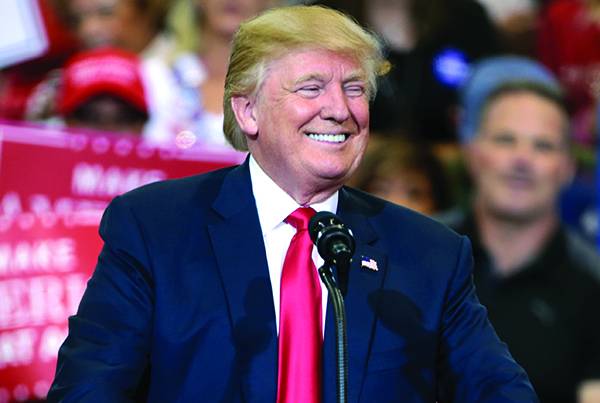
President Trump promised to 'fix' the ATC problem in the US, but it may be harder than he thought

One of President Trump’s campaign promises was to ‘fix’ the ATC problem in the US, but it may be harder than he thought. This also has wider implications for airport commercial (retail) business.

This new proposal also includes changes to revenue generation and security responsibilities at existing airports and deregulation on a scale not seen at US airports until now. It is also proposed that Federal funding will be reduced over time to play a much less prominent role than it does now.


It is also proposed that any new ATC entity should have the authority to borrow funds and enter into contracts, leases, and other arrangements during and after the transition period.


[Present US law requires all smaller retailers known as ‘DBEs’ – Disadvantaged Business Entrprises – to meet the strict requirements of FAA rules to bid for retail tenders at all airports in the US-Ed].


‘SAFETY WILL NOT BE COMPROMISED’

Meanwhile, Trump says that aviation safety regulation would still remain within the Department of Transportation, while the FAA structure would be changed to become ‘a performance-based framework’ responsible for oversight of the new ATC entity.


In a recent statement from the White House, he said that the Administration’s principles for reforming ATC will drive the legislation that will reduce delays, further improve aviation’s leading safety record, protect access to rural communities and accelerate much-needed capital investment.


“These principles insulate one of our most important national assets from political interferences and the crippling effects of budget uncertainty, while keeping intact FAA’s critical safety oversight,” said Trump.
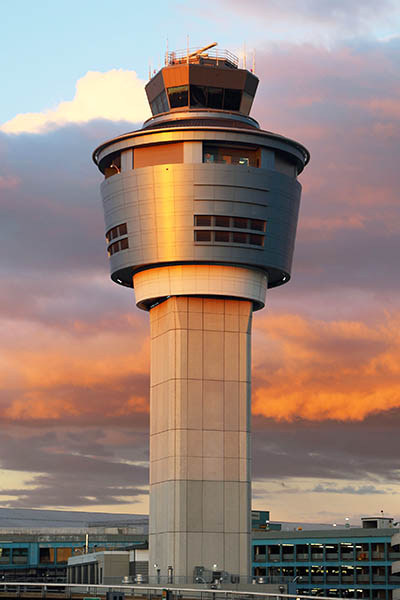
 

New York La Guardia Airport big

New York La Guardia Airport.

“Additionally, they preserve essential working relationships and interoperable capabilities with the Department of Defense (DoD), the Department of Homeland Security (DHS), and law enforcement agencies that are critical to ensuring the safety and security of the Nation.


SELF-SUSTAINING AND NOT-FOR-PROFIT…

“This proposal demonstrates that the Federal Government does not have to supply all of the resources required to develop and maintain our Nation’s vast infrastructure.


“Often, it simply needs to remove obstacles hindering investment and innovation. The new ATC entity envisioned in these reform principles will be self-sustaining, financed through fees paid by the users of the NAS. These fees will be more efficient and less burdensome than the patchwork of aviation taxes that supports the system today.”


Trump said any such a change would not be allowed to compromise safety, national security, or cyber security and significantly, he said open military access must continue to operate at civilian airports where it is deemed necessary, while improved access to airports from rural communities is also listed as a must.


The President added: “America’s growing aviation system demands a new, independent, non-government organisation to operate our Nation’s airspace. The new entity should have access to capital markets in order to spur capital investment, technology adoption, and innovation faster, more effectively, and securely.
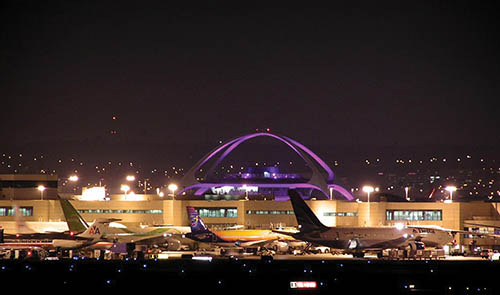
 

Los Angeles airport

Los Angeles International Airport.

COPYING THE EUROPEAN MODEL

“Over the last 20 years, more than 50 countries have already successfully transitioned their ATC operations.”


Trump said the new not-for-profit ATC entity will be financially self-sufficient through the collection of user fees covering both its costs of operations and recapitalisation.


In addition, the new entity would be authorised to procure goods and services, hire employees and to bond or pledge future revenues to fulfil the terms of financial arrangements and other transactions. Additionally, the new entity should have the authority to sell or transfer its assets.


As part of this, Trump adds that he is proposing to transfer all of the assets currently owned by the FAA and currently used in the operation of ATC at no charge to the new ATC entity.


Lastly – but importantly – he says that the new ATC body should honour existing labour agreements, although those transitioning to the new entity will no longer be Federal employees and ‘consistent with those rights, employees of the new entity should not be permitted to strike’
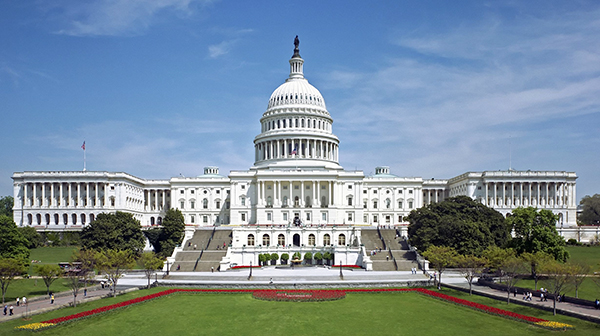
 

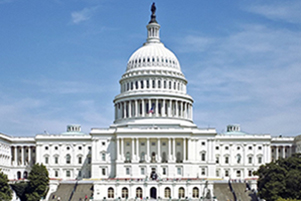
Congress will have to pass the Trump proposal

The Republicans and Democrats will doubtless have to slug it out all over again if Trump’s proposals are to get through Congress, although public opinion has turned against the shoddy deadlocks of the past where lack of any agreement on Federal funding threatened to shut down the entire US air traffic control network more than once.

DEMOCRATS QUESTION SAFETY

While there is a lot of support for this new proposal, some opponents of the Republican President – including prominent Democrats – say they believe it is a threat to passenger safety, although the 20,000-strong National Air Traffic Controllers Association


As with all legislation, this plan will also need to get through Congress for approval, and not everyone is in favour. Representative Nancy Pelosi, who leads Democrats in the House, called the idea a “tired Republican plan that both sides of the aisle have rejected.”


“Selling off our Air Traffic Control system threatens passenger safety, undermines the FAA’s ongoing modernisation, jeopardises access to rural airports and adds to the deficit,” she said in a statement.


The National Air Traffic Controllers Association (NATCA), a union that represents about 20,000 air traffic controllers, engineers and other workers, nevertheless took a more measured tone.
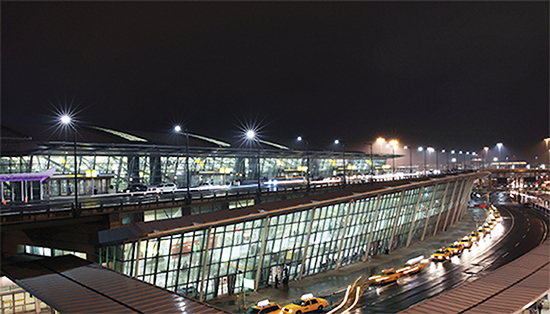
 

New York JFK's Terminal 4

New York JFK Terminal 4 is one of the few privately-owned airport terminals in the United States.

ATC UNION SAYS IT HAS AN OPEN MIND

In a stated response to the new proposal, NATCA President Paul Rinaldi said: “NATCA shares the Administration’s commitments to infrastructure modernisation and providing the National Airspace System (NAS) with a stable, predictable funding stream.


“We look forward to reviewing the specifics of the air traffic control (ATC) reform legislation so we can evaluate whether it satisfies our Union’s principles, including protecting the rights and benefits of the ATC workforce.”


NATCA adds that while it considers the current status quo is unacceptable, it will nevertheless oppose any ATC reform proposal that comprises any for-profit model – now, or in the future. Currently, Trump says he is only proposing a not-for-profit model.


 

Saudi, Bahrain, Egypt, UAE and Yemen cut all Qatar ties

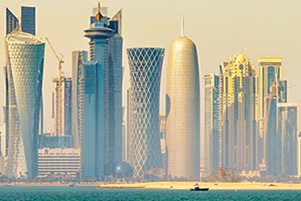
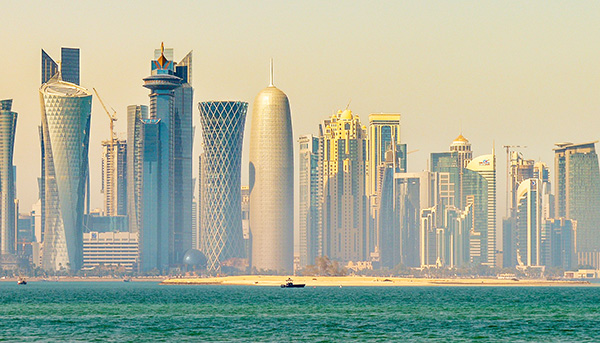
Doha skyline top (Photo credit Francisco Anzola) copySaudi Arabia, Bahrain, the United Arab Emirates (UAE), Egypt and Yemen have informed the government of Qatar that they are cutting economic ties with the country, along with diplomatic relations and travel by air and sea between countries in some instances.


The reasons were outlined today in an expansive statement and very strong language from the UAE: “The UAE affirms its complete commitment and support to the Gulf Cooperation Council and to the security and stability of the GCC States.


“Within this framework, and based on the insistence of the State of Qatar to continue to undermine the security and stability of the region and its failure to honour international commitments and agreements, it has been decided to take the following measures that are necessary for safeguarding the interests of the GCC States in general and those of the brotherly Qatari people in particular.”


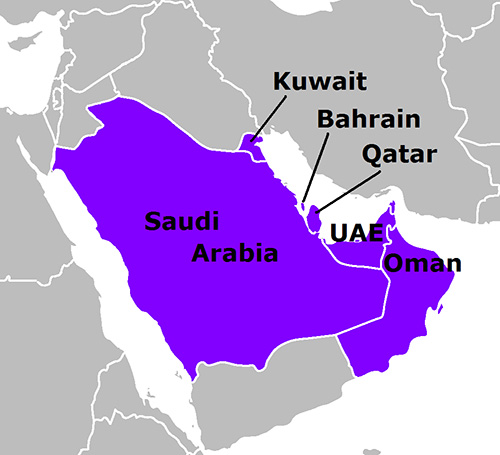
Members of the Gulf Cooperation Council.

THEY READ AS FOLLOWS:


  1. In support of the statements issued by the sisterly Kingdom of Bahrain and sisterly Kingdom of Saudi Arabia, the United Arab Emirates severs all relations with the State of Qatar, including breaking off diplomatic relations, and gives Qatari diplomats 48 hours to leave the UAE.


  1. Preventing Qatari nationals from entering the UAE or crossing its points of entry, giving Qatari residents and visitors in the UAE 14 days to leave the country for precautionary security reasons. The UAE nationals are likewise banned from travelling to, or staying in Qatar, or transiting through its territories.


  1. Closure of UAE airspace and seaports for all Qataris in 24 hours and banning all Qatari means of transportation, coming to or leaving the UAE, from crossing, entering or leaving the UAE territories, and taking all legal measures in collaboration with friendly countries and international companies with regards to Qataris using the UAE airspace and territorial waters, from and to Qatar, for national security considerations.


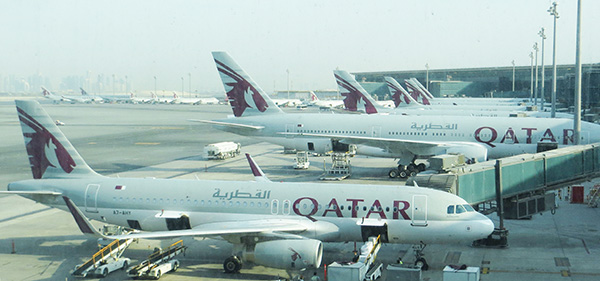
Qatar Airways Hama International Airport

Qatar Airways at Hamad International Airport, where the airline is a major feeder of business passengers and workers throughout the Middle East region.

QATAR UNDER THE MICROSCOPE

The UAE says it is taking these decisive measures ‘as a result of the Qatari authorities’ failure to abide by the Riyadh Agreement on returning GCC diplomats to Doha and its Complementary Arrangement in 2014’.


It also points to the alleged ‘support, funding and hosting of terror groups, primarily Islamic Brotherhood, and its sustained endeavours to promote the ideologies of Daesh and Al Qaeda across its direct and indirect media.


It adds that this in addition to ‘Qatar’s violation’ of the statement issued at the US-Islamic Summit in Riyadh on May 21st, 2017 on countering terrorism in the region and considering Iran a state sponsor of terrorism.’


QATAR SAYS ACCUSATIONS ARE  ‘UNJUSTIFIED’ WITH ‘NO BASIS IN FACT.

The statement continues: “The UAE measures are taken as well based on Qatari authorities’ hosting of terrorist elements and meddling in the affairs of other countries, as well as their support of terror groups – policies which are likely to push the region into a stage of unpredictable consequences.


“While regretting the policies taken by the State of Qatar that sow seeds of sedition and discord among the region’s countries, the UAE affirms its full respect and appreciation for the brotherly Qatari people on account of the profound historical, religious and fraternal ties and kin relations binding UAE and Qatari peoples.”


Saudi Arabia is now taking similar action by severing all diplomatic and consular relations with the State of Qatar and closing all of its land, sea and air entry points to Qataris – as well as banning their transiting through Saudi land, airspace and territorial waters.


Doha skyline (Photo credit Francisco Anzola)

Several airlines have already indicated that they will be ceasing all services to Doha Hamad International Airport in Qatar later this week.

FIVE CARRIERS JOIN ‘BAN’

Bahrain is also doing the same, giving Qataris 14 days to leave the country, while the Egyptian Foreign Ministry has closed its air space and sea port channels to Qataris in support of the other three countries.


Meanwhile, Qatar’s Foreign Ministry has yet to make any comprehensive comment, although it has been quoted by the Al-Jezeera news organisation as saying that the measures being taken by these four countries ‘are unjustified and are based on claims and allegations that have no basis in fact’.


As local commentators have already noted, it remains to be seen just how severely this new change might impact on both Qatar Airways and Doha’s Hamad International Airport – both of which handle substantial regional local and long-haul international point-to-point and transit traffic.


So far, Emirates, the national airline of Dubai has confirmed it is suspending its flights to Qatar – as is Flydubai – from tomorrow, while Abu Dhabi’s flag carrier Etihad is following suit. Saudi, Egyptair and Bahrain’s national carrier Gulf Air are now expected to do the same.


IATA suspects laptop ban is impacting on traffic levels

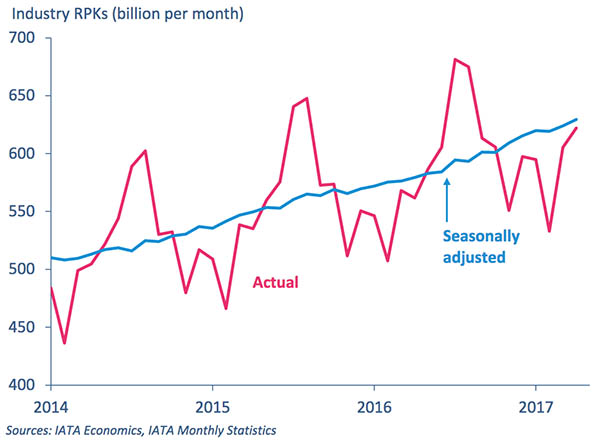
IATA planesThe International Air Transport Association (IATA) reports that international passenger demand in April rose by 12.5%, while global passenger demand increased by 10.7% in April compared to April 2016 – measured in revenue passenger kilometres (RPK).


Despite this representing the fastest-paced growth in six years, IATA nevertheless warns that there are signs that passengers are avoiding those routes which include a ban on passengers’ large portable electronic devices, such as laptops and tablets etc.


At the same time, IATA has also repeated its earlier concern that while the US Department of Homeland Security (DHS) is still considering expanding its ban, ‘the need to find alternative measures to keep flying secure is critical’.


IATA: LARGE PED BAN IN EUROPE COULD COST $1.4BN

Laptop ban unnacceptable says IATAIATA says the improving economy has seen competition between airlines help to reduce the price of air travel by around 10% in Q1 compared to the same period last year – with falling or discounted air fares accounting for around half of the aforementioned demand.


The airline association’s Director General and CEO Alexandre de Juniac said: “April showed us that demand for air travel remains at very strong levels. Nevertheless, there are indications that passengers are avoiding routes where the large PED ban is in place.


“As the US Department of Homeland Security considers expanding the ban, the need to find alternative measures to keep flying secure is critical. If the ban were extended to Europe-to-US flights, for example, we estimate a $1.4bn hit on productivity. And an IATA-commissioned survey of business travellers indicated that 15% would seek to reduce their travel in the face of a ban.”


Turning to international markets, IATA notes that April international passenger demand rose 12.5% compared to April last year, with ‘all regions recording double-digit year-over-year traffic increases for the first time in 12 years’. Total capacity also grew by 7.7%, while the average load factor rose 3.5 percentage points to 81.5%.


IATA Air Passenger Volumes April 2017

IATA Air Passenger Volumes, April 2017.

MIDDLE EAST TRAFFIC UP BY +10.8% IN APRIL

In the Middle East, airlines returned 10.8% traffic growth in the month, with capacity up 8.9% and the load factor up by 1.3 percentage points to 76.5%. Nevertheless, IATA says that ‘in contrast to all the other regions’, April growth in this region remained slower than the five-year average growth pace – and in seasonally-adjusted terms international traffic in the region has tracked sideways since January.


Commenting on the impact of the large PED ban, IATA added: “The route-level data from March – the most recent month available – shows that RPKs flown by Middle East airlines to the US fell in year-on-year terms by 2.8% for the month. This was the first annual decline recorded for this market in at least seven years.


“While traffic growth on the market segment already was slowing, the decline is consistent with some disruption from the PED ban that was announced 21 March, as well as a wider impact on inbound travel to the US from the Trump Administration’s proposed travel bans.”


EUROPE ‘STEADY’ – UP 4.4% IN APRIL

Focusing on European carriers, IATA says demand rose by 14.4% in April, supported by growing momentum in the region’s economy. Comparisons with April last year were said to have been distorted by the impact of the series of terrorist attacks last year.


However, the April 2017 results still achieved the fastest year-over-year growth pace since April 2011, when comparisons were heavily impacted by the Icelandic ash cloud event in 2010 that grounded thousands of flights in Europe. Excluding this one-off event, April’s growth rate was the fastest in nearly 13 years, with capacity up 7.9% and the load factor improving by an impressive 4.9 percentage points to 85.4% – the highest amongst any of the regions.


Top IATA-de-juniac

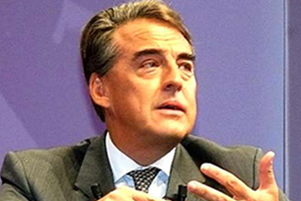
IATA Director General and CEO Alexandre de Juniac.

By contrast, Asia-Pacific airlines’ April traffic increased 10.9% compared to the year-ago period, a 14-month high. IATA said that traffic on Asia-Europe routes continued to recover from the terrorism-related slowdowns last year, while capacity rose 7.6% and the load factor jumped 2.4 percentage points to 80.3%.


In addition, North American airlines posted a 10.3% demand increase compared to April a year ago. IATA says that this appears to reflect a combination of the comparatively robust economic backdrop and the strength of the US dollar supporting outbound passenger demand. Here, capacity climbed 5.8% and the load factor jumped 3.3 percentage points to 81.8%.


CONTINUED RECOVERY IN LATIN AMERICA

There was even better news in Latin America, where the region’s leading airlines achieved a 16.1% rise in April demand compared to the same month last year. This is very significant, since IATA notes that it is the fastest rate for the region’s carriers since December 2011.


IATA said encouragingly: “Demand conditions within South America are robust, although traffic on the larger North-South America route has trended downwards in seasonally-adjusted terms since mid-2015. Capacity rose 8.4% and load factor surged 5.5 percentage points to 82.7%.”


Positive progress was also evident in Africa with the region’s airlines leading all others in growth percentage terms with a 17.2% traffic increase in April – the fastest pace in more than five years.


san-fran-airport-planes

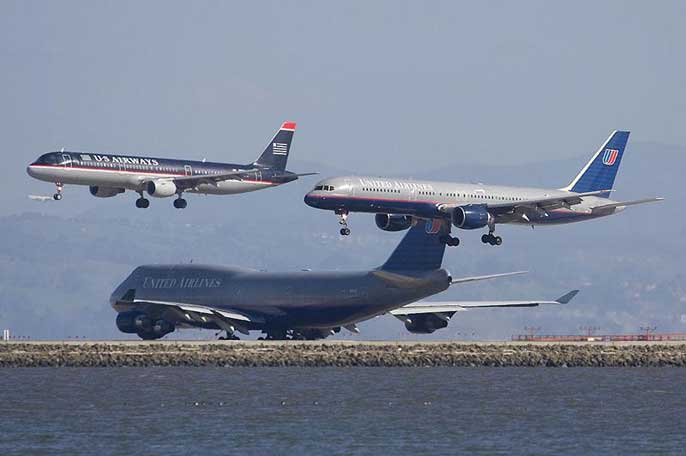
North American airlines posted a 10.3% demand increase compared to April a year ago (Shown here, San Francisco International Airport).

IATA says that this follows a recovery in demand on the key market to Europe: “Conditions in the continent’s two largest economies are diverging, however, with business confidence rising in Nigeria, while political uncertainty remains heightened in South Africa. Capacity rose just 6.1%, with the result that load factor soared 6.9 percentage points to 72.5%.”


OVERALL DOMESTIC GROWTH: +7.7%

Turning to domestic passenger markets, overall air travel rose by 7.7% in April compared to the same month last year, with capacity up 6.2% and the load factor rising 1.2 percentage points to 83%. IATA says all markets reported demand increases with the exception of Australia, which showed a 2.1% decline.


Interestingly, IATA notes here that Russian airlines enjoyed the fastest year-on-year growth rate at 16.7%. The association says that this resulted against an improving economic backdrop as oil prices have stabilised and business confidence indicators are said to be ‘quite high by recent historical standards’. It adds that capacity growth also ‘mostly kept pace with demand’, while the load factor was nearly flat at 78.7%.


Lastly, IATA reports that US domestic traffic climbed by 4.7% in April, thanks to a rise in demand in recent months, alongside signs that consumer confidence is strengthening. Yet another indication was the US domestic load factor, which posted ‘an all-time high for the month of April of 85.6%’, according to IATA.

Pressures build on multiple fronts in South Korea

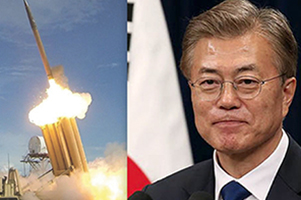
Top LEAD STORY KOREA MAY 2017South Korea’s incoming President Moon Jae-in has expressed dismay at the surprise arrival of four additional missile launchers for the country’s Terminal High-Altitude Area Defense (THAAD) system – particularly as he continues to try and mediate with China over its total opposition to it and the resulting huge drop in Chinese visitors to the country.


The development is not helpful for Moon, since his original election platform included a promise for a total review of the original two-launch system and a new effort to try to mend some bridges with China over its objections to it.


In addition to the two missile launchers already installed on South Korean soil, the news of this additional hardware only became public after one of the president’s advisors made it known on national television.


[Korean media reports today quote President Moon’s administration alleging that South Korea’s Defense Ministry deliberately kept the additional THAAD launchers a secret from Moon’s administration-Ed].


KOREA’S TOURISM INDUSTRY COULD LOSE $10BN

As reported, the Chinese government’s reaction to the deployment of THAAD has been severe, with Chinese travel agents clearly being ‘instructed’ to send Chinese overseas travellers anywhere other than South Korea.


The country’s duty free shops have also continued to suffer extreme losses from lower numbers of Chinese tourists – mostly young females – with all Chinese arrivals down by 40% in March, according to the Korea Tourism Organization.


Do Jong-hwan was a prosecutor and is now a cabinet member in Moon's government

Do Jong-hwan was a prosecutor who pressed for the impeachment of former President Park Geun-hye and encouraged others to stand up to pressure from the previous administration. He is now a cabinet member within Moon’s government.


Current loose estimates across the board suggest that the country could lose up to $10bn in total tourism receipts this year if the Chinese tourist ‘embargo’ on South Korea continues.


Having said this, other South Korean businesses have also continued to suffer very badly within China’s domestic market itself, with many closing, as already documented by TRBusiness.


Lotte in particular has really felt the pressure, after it was seemingly obliged to sell land to the previous government on which that administration promptly sited its new missile defence system. More than 80 Lotte Marts have now closed in China, while Korean car export sales are estimated to be 50% down, along with other boycotted goods.


As reported, China objects to the missile system’s radar capability, claiming it has the range to spy on its own military installations.


While Moon was clearly unconvinced on either the wisdom or level of public support for THAAD when he became President earlier this month, this issue has now become extremely complex.


Former President Park Geun-hye is now in Jail, as is her friend and 'advisor' Choi Soon-sil

Former President Park Geun-hye (left) is now in prison, as is her friend and ‘advisor’ Choi Soon-sil (right). Both face multiple charges, including fraud and deception.

MULTIPLE CORRUPTION CHARGES

Especially following the subsequent and almost routine multiple test missile firings by North Korea, which have raised temperatures and tensions considerably amongst South Koreans.


In addition to this, Moon is also about to address the next major phase of the multiple outstanding corruption charges levelled against former President Park Geun-hye, who is currently in jail.


His commitment to this process has been bolstered with the appointment of four new cabinet members, including – most significantly – Do Jong-hwan.


The latter individual gained huge popular local support prior to last March’s impeachment and arrest of former President Park Geun-hye, after he stood firmly behind the multiple allegations against her as a prosecutor – despite coming under intense pressure from her administration to back off.


DO JONG-HWAN HELD IN HIGH REGARD

He is also credited with alerting others to the depth of the alleged corruption, whilst encouraging them to act upon their suspicions – subsequently proven – that President Park’s confident Choi Soon-sil had asked major company leaders for monetary donations – including the Samsung Group.


As reported already, Samsung Electronics Vice Chairman Lee Jae-yong was arrested in connection with these ‘donations’, although he is not being held in custody. This allegedly included monies for Choi’s 21-year old daughter – based for the last eight months in Denmark – who was extradited back to Seoul yesterday.


She fled Seoul after her mother Choi Soon-sil was arrested and now faces similar charges of conspiring to obtain monies by deception.