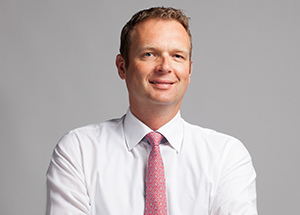
 The Hong Kong SAR Government has introduced a series of tourism stimulus measures in its 2016-17 Budget aimed at reversing the year-on-year decline in visitor arrivals since mid 2015, alongside slowing of retail sales, according to Financial Secretary, John C Tsang in his presentation to the Legislative Council last month.
He said that the value of total exports of goods and the number of visitor arrivals in Hong Kong have both recorded year-on-year declines since mid-2015 and left to their own devices, these falls have the potential to be even more severe in 2016.
He said: “I forecast Gross Domestic Product (GDP) growth in real terms at one to two per cent in 2016, lower than last year’s growth. Inbound tourism was weak and visitor arrivals dropped by eight per cent in the fourth quarter, down by 2.5 per cent for the whole year. Retail sales slackened, recording the first annual decrease since 2009.”
As a result, Tsang says the government is introducing a series of relief and stimulus measures, which it hopes will help the tourism industry, as he explained.
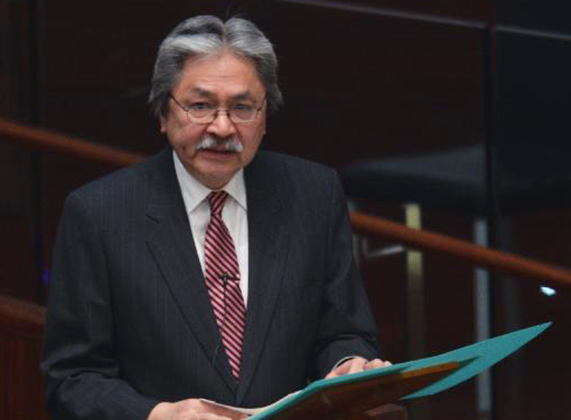
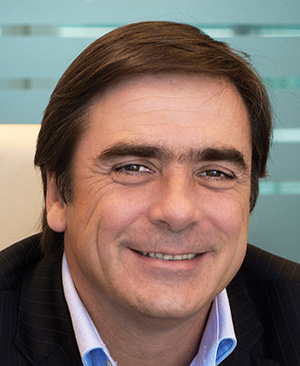
Hong Kong SAR Government Financial Secretary, John C Tsang delivers his 2016-17 Budget speech. (Source: HKSAR Government)
“Tourism contributes five per cent to our GDP and employs 270, 000 people. It provides plenty of job opportunities. For some ten years, tourism and other related industries have experienced rapid growth through the support of the Mainland’s Individual Visit Scheme and its related policies.
“The number of inbound visitors has increased to 60m, four times that of 2003. The local tourism industry is facing keen competition as a result of a weakening external economy, devaluation of currencies of neighbouring places and their relaxation of visa requirements for Mainland tourists since last year. This, coupled with the ‘one trip per week’ measure for Shenzhen residents, has caused a drop in visitor arrivals.
NEW TOURISM SHOPPING PLAGUE?
“Apart from external factors, some recent incidents in Hong Kong are causing concern. These include a handful of people choosing to express their views and political demands using irrational and uncivilised tactics, such as hurling abuse at visitors and kicking their suitcases. Furthermore, problems arising from coerced shopping have been plaguing the tourism sector.
“These destructive acts have not only damaged the economy, but have also severely tarnished Hong Kong’s reputation as a hospitality city internationally. While some have claimed that the acts were committed out of concern for ‘local’ interests, their actions are in fact not the kind of behaviour that reflects love for Hong Kong.”
Tsang said those who really care about Hong Kong don’t ‘exercise their right to freedom of expression at the expense of peace’ and he condemned these actions as very damaging for the country at a time when its tourism industry has entered a period of consolidation.
He said: “In view of the changing mix and spending pattern of visitors, we need to review the development strategy of our tourism industry. Other than seeking growth in visitor numbers, we should move towards diversified and quality-driven high value-added services, with a view to attracting more high-spending overnight visitors to Hong Kong.
“In light of this new situation, I shall launch short, medium and long-term measures to reduce the industry’s costs of operation and enhance Hong Kong’s attractiveness and competitiveness. I shall introduce three short-term measures, costing a total of HK$140m ($18.2m), for related trades and industries.”
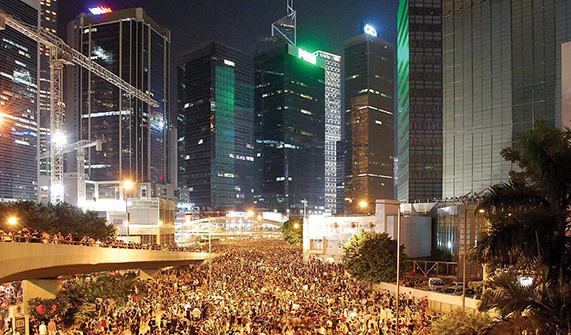
The Occupy Central protests lasted for months at the end of 2014. At their height these mostly peaceful protests were held by young people seeking more electoral reforms. Subsequent anti-tourist sentiment and tension between locals over the bulk buying of goods by day trippers only made matters worse in 2015, says Tsang. He also points to inbound tourism and visitor arrivals down by 8% in the fourth quarter and by 2.5% for the whole year. Retail sales also fell, ‘recording the first annual decrease since 2009.’
LICENCE AND FEE WAIVERS
He said these include waiving licence fees for 1,800 travel agents for one year; waiving licence fees for 2,000 hotels and guest houses for the same period; and waiving licence fees for restaurants and hawkers and fees for restricted food permits for one year – with the aim of benefiting 27,000 restaurants and operators.
Tsang said the government is also allocating another HK$240m ($30.9m) to jointly launch five measures to expand the scale of major events due to be held this year.
These include the debut Formula E Championship, expanding the venue for the Hong Kong Wine and Dine Festival with more featured themes, plus extending the race of the Hong Kong Cyclothon to 50km to attract more overseas cyclists. There will also be additional Pulse 3D Light Shows at the Hong Kong Cultural Centre and more aggressive publicity highlighting international sports events such as the Rugby Sevens, the open tennis tournament and the golf open.
He said that the Hong Kong Tourism Board (HKTB) is also repackaging Hong Kong’s tourism image with new promotional videos, including a focus on short-haul markets with an emphasis on promotions and publicity in Mainland China to try to attract more quality visitors on ‘honest tours’.
Further initiatives include assistance from the HKTB for industry to open up new visitor sources through various means, including more promotion of shopping and spending, plus the implementation of the matching fund for promoting tourist attractions. More efforts will also be made to attract MICE (Meetings, Incentive Travels, Conventions and Exhibitions) tourism and ‘fly-cruise’ tours, as well as introducing a system of waiving local traders’ participation fees for overseas promotion fairs.

Tsang says cargo handled by Hong Kong International Airport makes up 40% Hong Kong’s exports by value, while ‘the eastward shift of the global economic balance’ has fuelled the rapid rise of spending power and growing demand for high-end consumer goods in Asia. He says this is conducive to the positioning of Hong Kong as an aviation and maritime centre and the development of high value-added logistics services. He adds that Airport Authority Hong Kong (AA) will operate a three-runway system which is expected to open in eight years at which point HKIA’s capacity will be 100m passengers a year.
MAJOR ATTRACTION OPENINGS
There are also plans through the Travel Industry Council of Hong Kong to subsidise small and medium-sized travel agents, on a matching basis, to make more use of information technology (IT), while also stepping up efforts to promote Hong Kong’s natural scenery as well as its history and culture.
Tsang added: “In the long run, we shall upgrade our tourism infrastructure. Hong Kong Disneyland will open in 2016 and 2017 respectively a new themed area based on Marvel’s Iron Man franchise and a new hotel with a theme dedicated to the spirit of exploration. Government will continue to discuss with the Walt Disney Company the overall development of the theme park.
“The first hotel in Ocean Park and the Water World in Tai Shue Wan are also scheduled for completion in 2017 and 2018 respectively. Government will continue preparatory work for the tourism projects in Kai Tak and Lantau. The design work for the conference facilities above the proposed Exhibition Station of the Shatin to Central Link is underway.”

 Trbusiness. The travel retail Trbusiness. The magazine for global retail and duty free professionals.
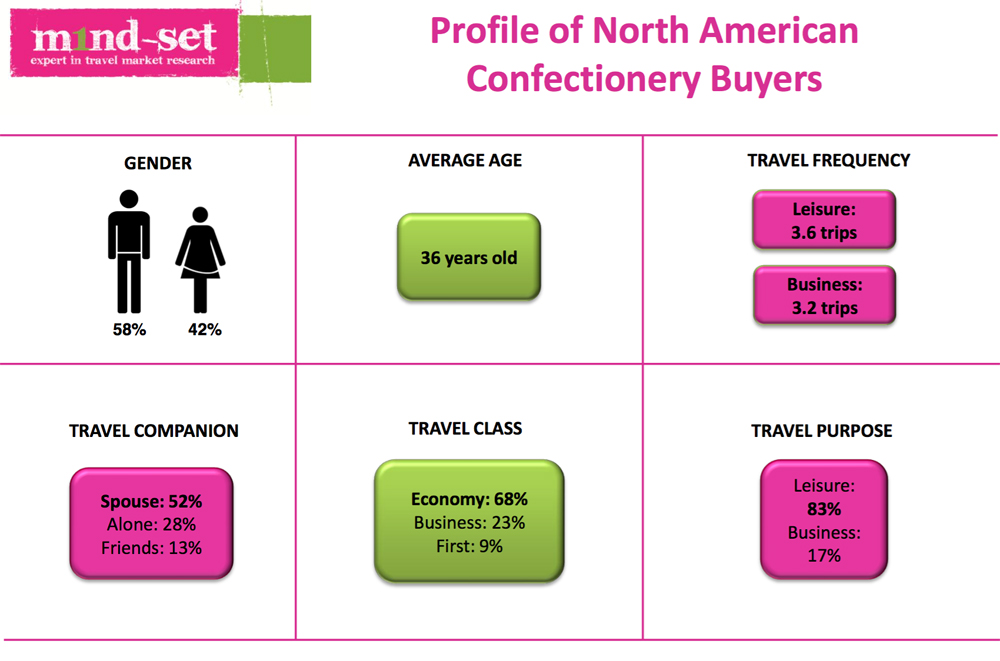
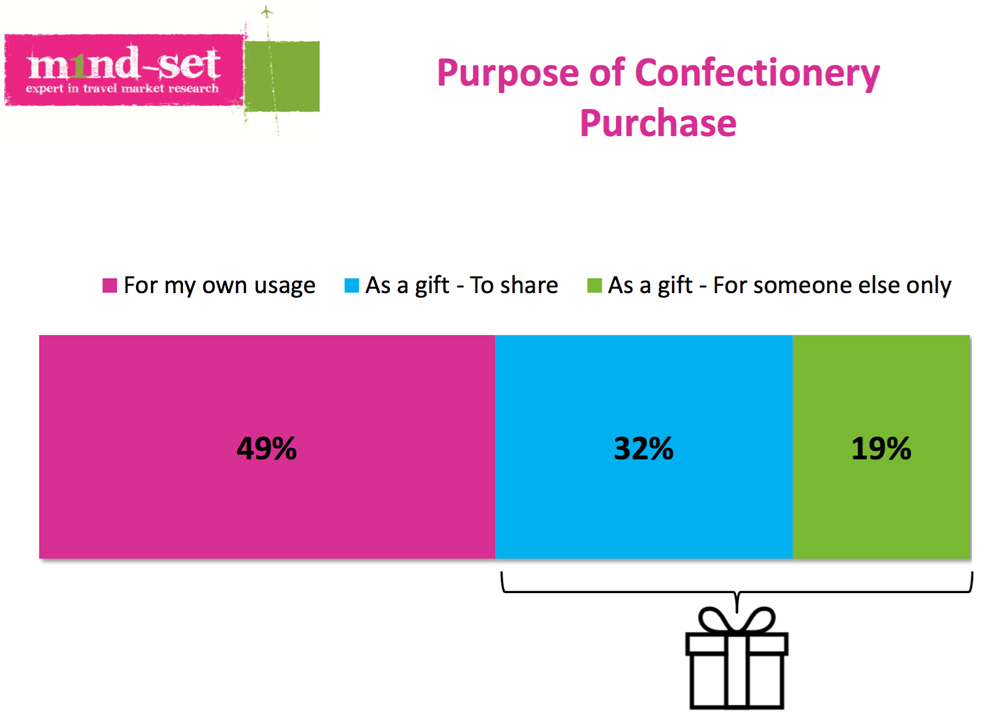
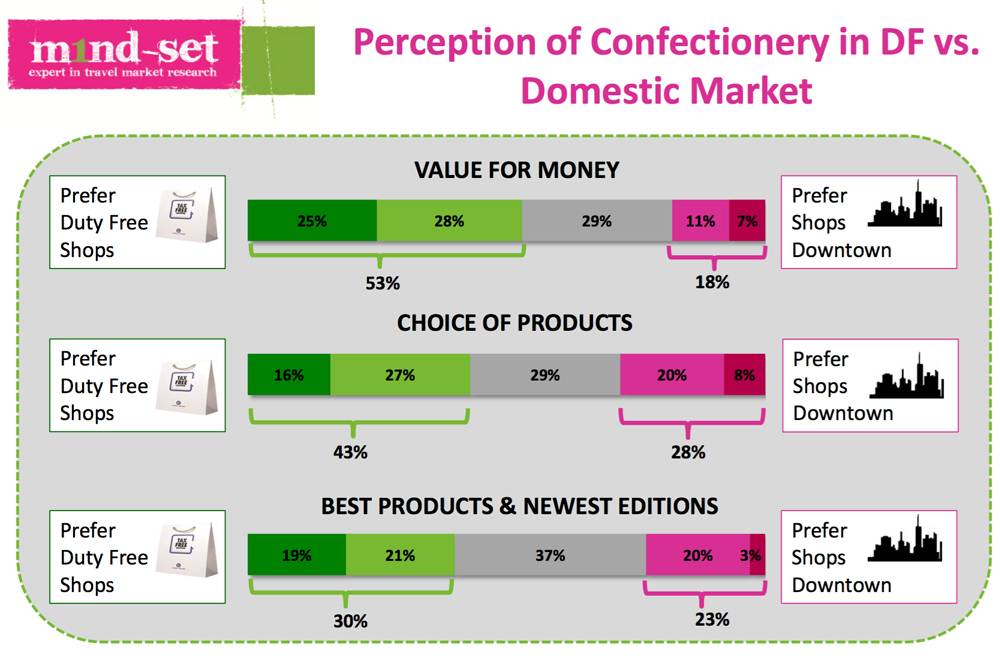
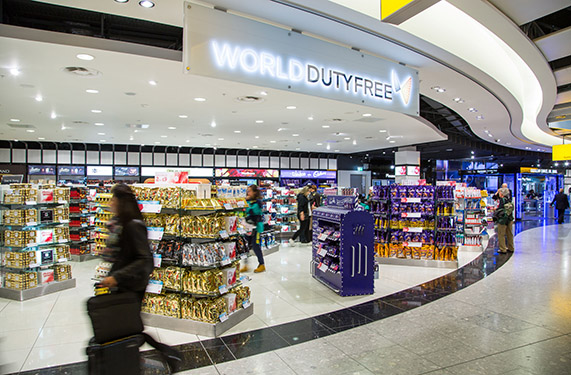 According to m1nd-set co-owner and joint-CEO Peter Mohn, there has been a marked change in attitudes and shopping behaviour for North American travellers regarding the confectionery category, over the past two years.