Archives

MEADFA signs up TFWA for another two years

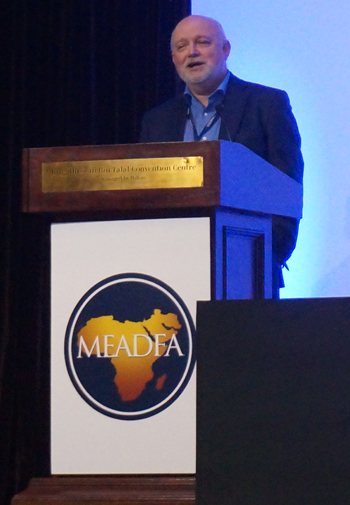
small Sean Staunton MEADFAThe Middle East & Africa Duty Free Association (MEADFA) reports that it has renewed Tax Free World Association’s (TFWA) contract to manage its annual conference and networking event for two more years – first in Dubai in November 2016 and subsequently at a venue to be announced for 2017.


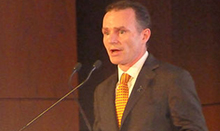
The decision follows the 2015 MEADFA Conference at the Dead Sea in Jordan where an estimated 320 delegates attended, according MEADFA President Sean Staunton (pictured, top right).


Commenting, Staunton said: “On behalf of the Association I would like to thank the management and staff of TFWA for their support in the organisation of the 2015 MEADFA Conference, for which feedback from delegates has been very positive. I am delighted that we will be working together on the next two events.”


Tim-Sebastian-Meadfa-2015-large

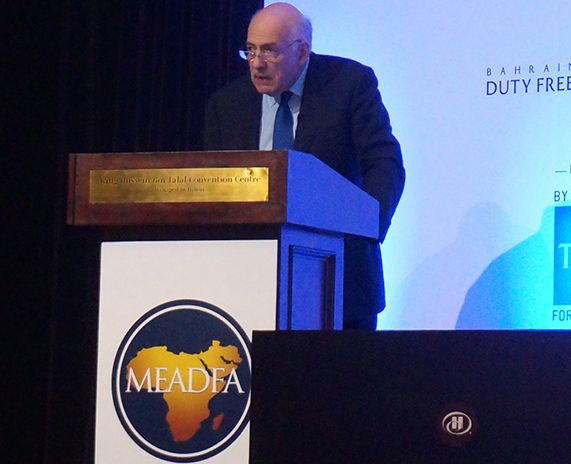
One of the highlights at the Jordan MEADFA event was the presentation by former BBC journalist of many years, Tim Sebastian, who delivered a comprehensive geopolitical overview of the Middle East, and discussed ways in which to combat Isis.


Erik Juul-Mortensen, President TFWA added: “The TFWA team has always enjoyed working with MEADFA on its annual conference and we are very pleased to continue that relationship. The Middle East and Africa region is vital to the health of the global industry and we are determined to play our part in its continued growth. We look forward to embarking on plans for the events in 2016 and 2017.”


(For more information, click here: http://www.trbusiness.com/regional-news/middle-east/isis-threat-discussed-at-jordan-duty-free-conference/982360


Fagundes heads ASUTIL eyeing Santiago in June

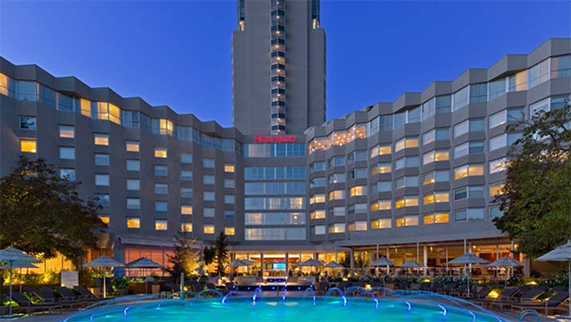
Gustavo Fagundes Dufry smallLatin American duty free association ASUTIL has announced that Gustavo Fagundes (Dufry Brasil) is taking over the role of ASUTIL President for the next two years from January 2016, succeeding Enrique Urioste (Neutral) and Santiago has been chosen as the 2016 conference venue (8-11 June – Sheraton Santiago Hotel & Convention Center).

In terms of directors for the next two years, Grupo Wisa’s Marcelo Montico is continuing as Vice President and Martin Laffitte (Zeinal Hermanos) remains as Secretary and Treasurer.

Sheraton Santiago Hotel & Convention Center

Sheraton Santiago Hotel & Convention Center.


Gustavo Fagundes Dufry

Gustavo Fagundes, new incoming President of ASUTIL.

Oscar García Pedrosa (Dufry Argentina) and Victor Hugo Bonnet (London Supply) will continue as directors and they will be joined by Enrique Urioste (Neutral) and Javier Carbonati (Bright Star).

José Luis Donagaray will continue as Secreary General, assisted by Coordinator, Inés Sisto Patrón.
The association’s contact details remain the same: Inés Sisto Patrón, ASUTIL, Luis A. de Herrera 1248 WTC Torre A – Of. 201, 11.300, Montevideo, Uruguay. Tel: (598) 2623-1842. Fax: (598) 2628-2643.

New EU rules aimed at fighting terrorism

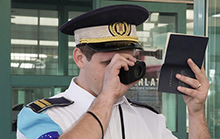
Hungary border guardInitial agreement has been reached on standardising and regulating European Union rules regulating the use of air passenger data to fight terrorism and serious crime, following three-way talks between the European Parliament, the Council and Commission negotiators last week.

Passage of this important initial agreement now has unilateral agreement between all of the member states that the Passenger Name Record (PNR) Directive will not only apply to travellers flying to and from EU airports, but crucially also to domestic passenger flights.

This is a clause understandably insisted upon by French Interior Minister Bernard Cazeneuve, following the terrible terrorist killings witnessed in Paris recently.

Cazeneuve is not alone in pushing for faster exchanges of information, as well as systematic screening of all EU citizens entering or leaving the Schengen zone – yet another area with major ramification for airports.

Supporters argue that this is now necessary considering how seemingly easily the Paris terrorists were able to move within and around France’s borders prior to last month’s attacks.

European Counter-Terrorism Coordinator Gilles de Kerchove told the Civil Liberties Committee this month that the recent attacks in Paris have shown that extremists can exploit any weaknesses in the cooperation between EU countries: “We have to show citizens that we are able to provide security.”

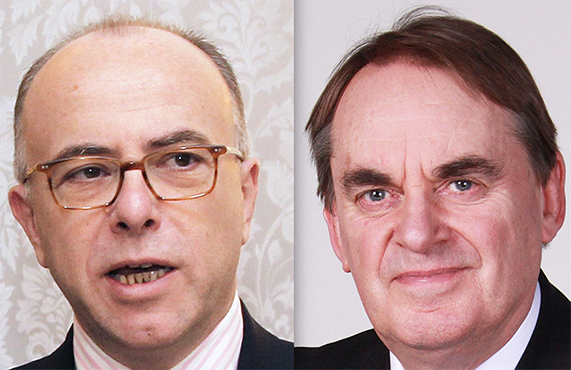
Bernard Cazeneuve and Timothy Kirkhope

Big changes are expected at EU borders with the future of the European ‘Schengen dream’ looking precariously in the balance. (Left) French Interior Minister Bernard Cazeneuve (Photo credit: Mahmoud) wants every traveller checked at Schengen and non-Schengen borders; while European Parliament Civil Liberties Committee lead negotiator Timothy Kirkhope (Right, photo credit: Leila Paul) is leading the charge for much better cooperation between all member states on the movement of passengers between airport, land and sea borders.


This new agreement as a whole also represents an important development in the fight against terrorism as Member States have agreed that escalating terrorism within the EU calls for tougher rules involving some compromises when related to civil liberties.

When this legislation is finally passed, European Union member states will have a clear legal obligation to work much more closely together – and crucially more quickly.

They will then have the help of an important new EU-wide platform database, which will collect and distribute information on attempted movements of all suspected and known terrorists. One aim is to make it much more difficult for terrorists and criminals to move around as freely as they have been able to in the past.

PNR data is collected by looking at individuals’ patterns of behaviour as opposed to profiling individual backgrounds or seeking to extract sensitive information related to them. This has widely been accepted to have proved crucial in recent years in the detection of terrorists, foreign fighters, drug traffickers and other serious criminals.


Europa

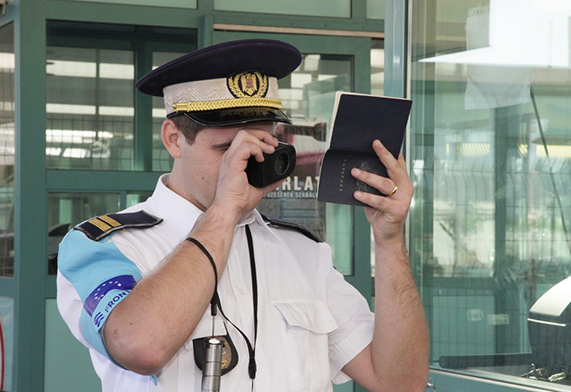
Tougher and more comprehensive document checks will become the norm at all EU air, land and sea borders in future. Here, an immigration and passport control official checks for the genuine  imbedded identity markers in a traveller’s passport at the Roszke border control in Hungary. (Source: European Parliament).

Welcoming the prosed new legislation, the European Parliament’s Civil Liberties Committee lead negotiator, Timothy Kirkhope (ECR, UK) said: “I am very pleased that the Council has accepted the proposal I put forward earlier this week. We cannot wait any longer to put this system in place. This is a good agreement that will deliver an effective tool for fighting terrorism and serious crime.

“This has always been a careful balancing act to ensure the system was proportionate to the risk that we face. I will now recommend that the Civil Liberties Committee accepts this deal without delay.”

The Parliament’s Civil Liberties, Justice and Home Affairs Committee is expected to vote on the deal on 10 December this week, with the draft directive put to a vote by Parliament in early 2016 and formally approved by the EU Council of Ministers.
[The only EU member state that will opt out of this agreement once passed is Denmark, which has a special opt-out clause in its membership conditions related to justice and home affairs legislation-Ed].

Beacon technology: What you need to know…

Beacon-tech-SITA-leadBeacon technology at airports – which has the propensity to completely transform duty free marketing and promotion – has been talked about for years, but is only now actually being deployed at a number of hub airports around the world.


As the technology is still in a trial period at some airports, many in the industry are still in the dark as to how ‘beacons’ actually work or what the proven benefits of deployment are.


At several conferences this year, one being ACI Europe in Milan, another Meadfa in Jordan, beacon technology has been cited as the necessary ‘next step’ in digital services and promoting retail and F&B at airports.


Among its other uses beacons can serve as a way to communicate the latest duty free offers or exclusive products when passengers near the relevant outlets [much like the experience which is facilitated by popular App, Foursquare at border stores].
 

Alan-Glasby-SITA-350

TRBusiness spoke to SITA’s Alan Glasby following a presentation he made at the recent Meadfa conference in Jordan.


After talking to Alan Glasby, Product Manager for leading air transport IT and communications specialist, SITA, TRBusiness provides its understanding of beacon, touted as ‘future for now’ technology.


So what are beacons?

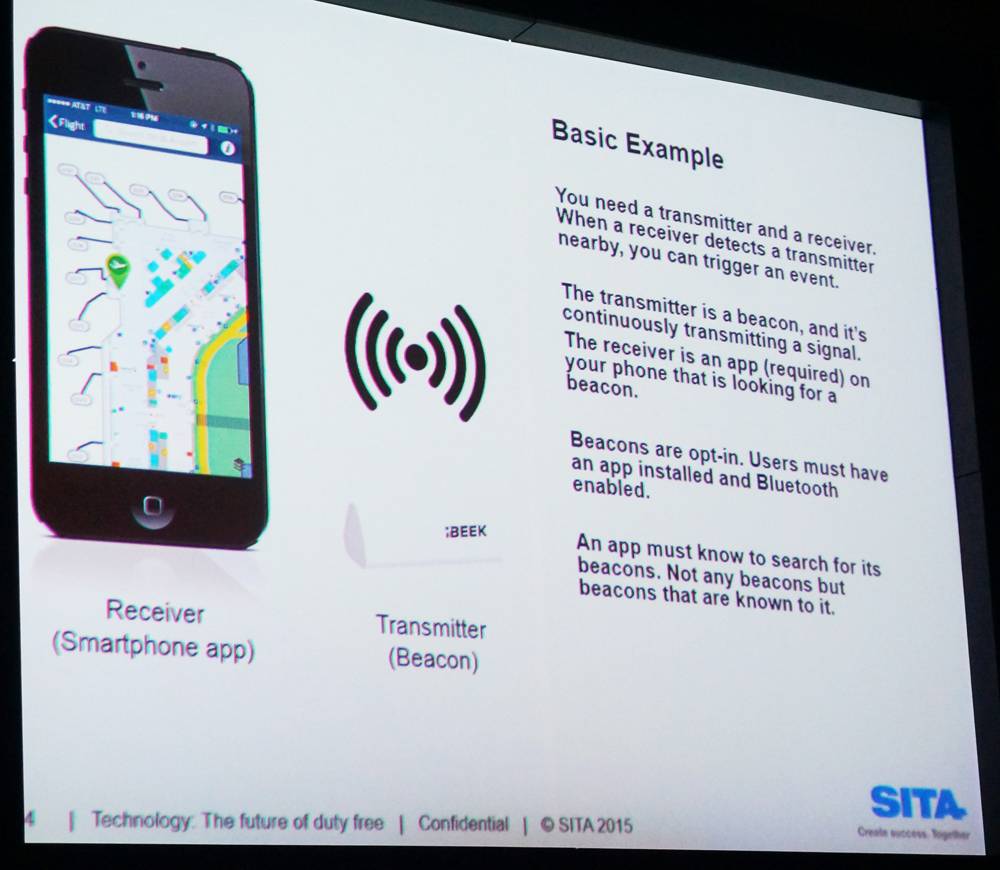
They are small, often battery-powered devices of which there are multiple manufacturers, but Apple iBeacon is by far the most established. These beacons transmit a ‘unique identifier’ (a message which communicates its location) every 100 milliseconds, which a smartphone app then detects and reads.


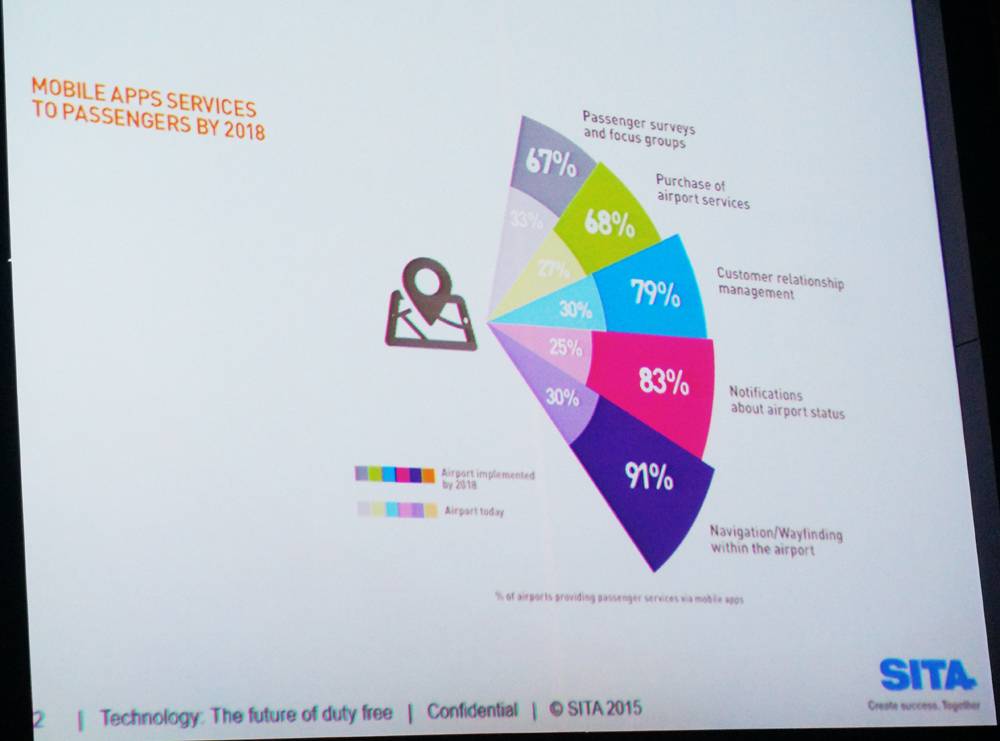
Of course, in order for the airport/retailer to receive information/data back from the passenger, he or she must download an app. [Many airports now have a dedicated app mainly for navigation and wayfinding purposes, such as Schiphol for example].


The beacons are used with a proximity marketing tool e.g. an app. Once the beacon is discovered by device a notification is delivered to the passenger’s smartphone home screen. The assigned content is then displayed to mobile users via the app’s web view or device browser.


Why does the industry need this technology?

A beacon together with the app can tell us where a passenger is; where they have been and possibly who they are. It can also tell us their itinerary, their flights, their destination and where they are going in the airport e.g. which gate they are departing from.

It can even determine how much time each passenger has before their flight. Promotions or activities can then be suggested to the traveller, dependent on how long the passenger has before they have to depart for their flight. e.g. ‘Check out the WDF store which will take less than 4 minutes to walk to.’


SITA-Types-of-beacons


What can go wrong?

As with any new technology, especially one that needs a WiFi connection, a trial and error process is expected and glitches may occur. However, maintenance and monitoring is vastly automatic, says SITA.


The network of beacons use iCloud and Bluetooth technology to report on the health of each beacon. This report can then be sent in an email message to the client. SITA’s Glasby said that an airport would need just 0.2 of an additional staff to monitor this.


But what about the strength of the WiFi connection needed and what happens if this is overwhelmed by multiple users e.g. the passengers? Glasby responds: “Airport management typically will have multiple virtual WiFi networks, so often the management of beacons will be on a separate dedicated network [i.e not competing with what the passengers are using]. It’s a fairly low amount of data that’s being transferred over as well. Beacons are simple battery-powered devices so there shouldn’t really be any dropouts.”
 

Example-of-beacon-tech-SITA

Do passengers need to use up their own data [3G/4G] to benefit from this new technology?

“As far as the app is concerned many airports are now providing free WiFi and I would imagine that in the next 3-5 years WiFi is going to be everywhere. There are now apps out there which actually detect free WiFi and check you in automatically. I’m sure that in the next few years WiFi will be everywhere.


“However, you can also cache a fair amount of data on the app in the phone as well. So if you know your itinerary and you are travelling from Amman back to Heathrow, for example, you could potentially download data on to the phone about beacons at Heathrow before you leave Amman, so that on arrival you not relying on roaming data charges.”


Where can we find beacon technology?

Dallas was where SITA first deployed beacon technology in a ‘proof of concept’ partnership around 18 months ago. Since then SITA has gone through two deployments in Miami.


“One was a proof of concept initially, followed by a full operational deployment,” Glasby told TRBusiness. “So I think the whole industry involved in this is still learning about how best to do it and in which cases it works best.”
 

schiphol signposts

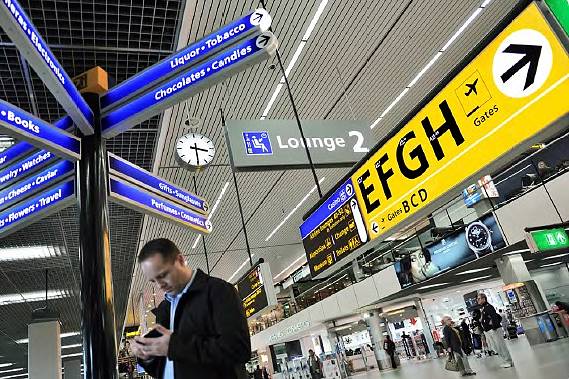
Schiphol Airport has deployed 1,500 beacons in all its public areas.


There are now 450 beacons at Miami International Airport and 1,500 at Schiphol. Earlier this year AMS reported this fact, claiming that it is Europe’s first airport with beacons present in all public areas. Hong Kong International Airport as well as Singapore and Qantas airlines have also trialled beacon technology within the last 12 months.


Concerns…

“Some of [the airports] are concerned about the potential impact on the image of the airport if beacons are deployed and passengers are then inundated with messages,” adds Glasby.


Glasby told TRBusiness that ACI and IATA are aiming to come up with regulation to avoid the above happening as ultimately the customer must come first.


“Whilst it may not be the airport that’s doing it, that may be perceived by the passengers as a problem at airport X. Y or Z. What we found talking to some airports is they’ll say, ‘well we’ll control any messages that go direct to the passengers’ and therefore they’ll be the one to decide which marketing campaigns are going on at any one time.”
 

Mobile-apps-slide-SITA

Of course, in order for the airport/retailer to receive information/data back from the passenger, he or she must download an app. [Many airports now have a dedicated app mainly for navigation and wayfinding purposes, such as Schiphol for example].

Glasby pointed out that most of the European airports are independent businesses that are often under pressure to make money, per department.


“They tend to split into different departments, each with their own profit and loss, so they might have an IT and Telecoms part, which has got to make money on its own, so it can’t necessarily rely on the fact that overall the airport’s making money.


“A lot of American airports are owned by the local city or state or whatever and therefore they’re not looking to make money in quite the same way as a business might be. It’s run more for the benefit of the passengers.”


And finally…How much does it cost?

Each beacon costs ‘a few tens of dollars’, but ideally an airport also needs to employ a full-time Head of Digital in order to really manage and monitor the marketing and promotions being communicated to passengers via an app.


Tourism ‘to suffer most’ after Tunis bus attack

ATU DF Tunis1

Departing seats at Tunis Carthage Airport have fallen drastically

Just a month after Tunisia lifted a state of emergency following the Sousse beach massacre in June, the North African country, on Tuesday, imposed another one due to a suicide bombing of a presidential guard bus which killed 13 people.

ISIS has claimed responsibility for the attack in the capital Tunis. While it was not targeted at foreign tourists, the deaths add to the 38 vacationers killed at Sousse and the 22 shot at the Bardo Museum, also in the capital, in March. A statement from ISIS indicates that Tunisia – the birthplace of the Arab Spring in 2011 and one of the most liberal Arabic states – will continue to be targeted.

Tourism – which accounts for about 15% of the country’s annual GDP (source: World Travel & Tourism Council) – is already reeling from this year’s earlier attacks. TRBusiness has reported the direct effects at Tunis Carthage Airport: departing seat capacities plummeted by -11.7% in the 12 months to September according to data from duty free and travel retail analyst CiR.

Turkey’s ATÜ Duty Free, which recently took up a contract to run the DF&TR shops at five Tunisian airports from Q4 2014, has taken a profitability hit with Ebitda sliding by -19% in the first nine months of the year. TAV Airports, which has a 50% stake in the retailer, says that the Tunisian operation is putting pressure on ATÜ’s overall margins.

Chebib: 'when terrorist attacks are not recurrent, the impact on tourism tends to be short-term'

Chebib: ‘when terrorist attacks are not recurrent, the impact on tourism tends to be short-term’

LONG-TERM IMPACT

Kinda Chebib, Senior Analyst at Euromonitor International says: “The previous March museum attack and the June beach events could have led to short- to medium-term negative impacts; however with this new attack, Euromonitor expects an economic impact on the medium-to-long term, with tourism being the industry suffering the most.”

Earlier this month, after many weeks in review following Sousse, a new safety action plan for tourist was drawn up by the Interior Minister and the Tourism Minister in the presence of the Secretary of State for Security Affairs. Developed with specialists from Germany, it outlined practical arrangements as a first step in rolling out new safety standards in tourist establishments.

Now, however, the fear of repeat attacks will most likely divert European travellers elsewhere. The UK Foreign says: “Further terrorist attacks are highly likely, including in tourist resorts. On 17 November the Tunisian authorities announced they had foiled a major plot to attack ‘hotels and vital installations’ in Sousse.”

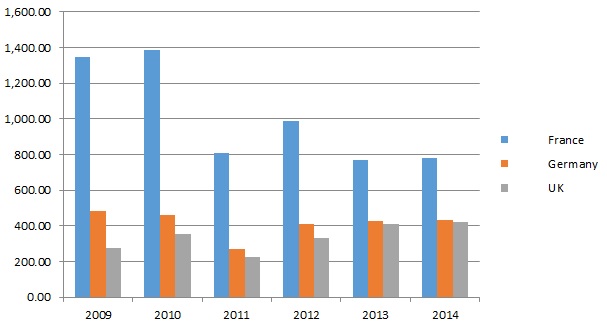
Top European arrivals markets had been growing until 2014 (source Euromonitor Int'l, figures x 1,000)

Key European nationalities to Tunisia (source Euromonitor Int’l, arrivals figures x 1,000)

UK arrivals to Tunisia declined from 353,000 in 2010 to 227,000 in 2011, the year of the Tunisian revolution. However, the figure had recovered strongly to reach 430,000 in 2014. Euromonitor notes, however, that average spending by UK tourists fell from £178m to £143m ($270m to $216m) in that period. “Key players in the travel industry in those two countries have implemented some strong price cutting in an effort to lure back tourists,” says Chebib. “However in a context of general fear and risks, those strategies do not pay back.”

THE WIDER NORTH AFRICA REGION

With ISIS having greater prominence and activity in the North Africa and Levant region, destinations hit repeatedly by terrorists attacks are expected to see an economic slowdown and decrease in arrivals as well as investments.

The clearest examples are Egypt and Tunisia. “Egypt started the year of 2013 with high visitor numbers but then experienced a strong drop as a result of the political unrest and repeated terrorist attacks,” says Chebib. “Since then, the country saw an average annual decline in UK visitor numbers of -18.5% from 2010 to 2014. No other major tourist destination regularly visited by British tourists has been that negatively impacted.”

The lack of travellers at Sharm el-Sheikh Airport in Egypt has meant that DF&TR operator, Heinemann Egypt, is reluctantly considering the temporary closure of its stores there.

Tunisian ministers agreed a safety plan before Tuesday's bus bomb

Tunisian ministers agreed a tourist safety plan just days before Tuesday’s bus attack

MINIMISING THE IMPACT

Euromonitor says that markets hit by a one-off terrorist attack can bounce back – which means that governments reliant on tourism need to act fast to counter the threats. In the case of UK visitors to Morocco, for example, there was strong growth in terms of arrivals, rising from 308,000 in 2010 to 460,000 in 2014.

“It is interesting to keep in mind that this included a 51,000 increase in arrivals in 2012, one year after the Marrakesh bombing. This shows that when terrorist attacks are not recurrent, the impact on major tourism destinations tends to be on the short-term,” says Chebib.

Euromonitor also cites the London bombings of July 2005 which killed 52 people but did not affect the number of arrivals. “In contrast, figures suggest that the tourism industry in countries enduring long-term conflicts, such as Egypt, will be impacted on a larger level,” concludes Chebib.

Beauty tops C$100m at Canada’s airports

ARI MAC Montreal

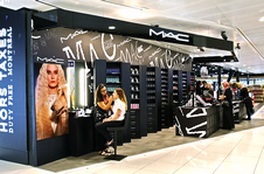
The new MAC space at Montreal Airport

The beauty category in duty free and travel retail at Canadian airports shot through the C$100m/$75m mark to reach C$111.4m/$83.5m in the first 10 months of 2015, up by +23%. However the land border beauty business suffered a fall of -2% to C$18.7m/$14m in the period.

The statistics – provided by the Frontier Duty Free Association and based on data from the Canadian Border Services Agency – indicate that beauty remains the driver at airports, taking the lion’s share of sales at 35%. The category also showed the healthiest growth in sales among the top three product groups, the others being liquor (+15.4%) and tobacco (+1.4%).

Total airport sales increased by +18.2% to C$318.2m with most of the 14 categories monitored seeing double-digit rises in the 10 months to October. The two exceptions were the ‘other’ or miscellaneous category which slid by -23.7% to C$17.3m and electronics which fell by -25% to C4219.6m.

BORDERS GET LIQUOR BOOST

At the borders it’s a different story, with beauty accounting for just 14% of sales whereas liquor is the top category with a 40% share followed by tobacco at 24.5%. Liquor showed a +12.2% gain to C$50.2m and it drove the border market to an overall increase of +4% to reach $125.2m in total sales.

Categories at the land border had a mixed performance with five showing contractions. The worst hit was electronics, down -27.5%. Tobacco sales also fell back -7.7% to C$30.6m.

Turkey ‘no-go zone’ after Russian plane downed

Russia’s Federal Tourism Agency

Russia’s Federal Tourism Agency has issued a clear statement

Yesterday’s shooting down, by Turkish armed forces, of a Russian fighter jet – said to have entered Turkish air space without permission – has led to Russia warning its citizens not to travel to Turkey.

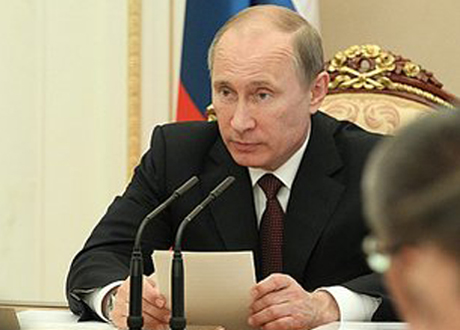
Last night, Russia’s Federal Tourism Agency quoted Russian Foreign Minister Sergei Lavrov that there is a threat of terrorism in Turkey and to the safety of its citizens in the country. This follows Russian President Vladimir Putin’s stark warning to Turkey of “serious consequences” immediately after the jet was shot down.

001a putin airports meeting

Putin yesterday warned Turkey of ‘serious consequences’

In no uncertain terms, the tourism agency says: “The provision of services for the organisation of travel of Russian tourists to Turkey in times of terrorist threats is a flagrant violation of the laws of the Russian Federation.”

In effect the FTA is telling Russian tour operators and travel agents to suspend the promotion and implementation of tourist products as well as individual tourist services to Turkey, including through third countries.

It adds: “Under the circumstances Russian tourists have an unconditional right to request termination of agreements on the implementation of tourism product or change their terms and conditions in connection with the substantial change of circumstances.” In other words existing trips and tours should be refunded to consumers if requested.

The move comes at a time when Turkey had already been hit by the weak Russian rouble and economy affecting duty free and travel retail spending. However, Russian traveller numbers have remained robust, growing consistently since 2009 to reach 4.5m in 2014. Only arrivals from Germans at 5.1m are higher according to research group Euromonitor International.

Russian travel to Turkey has been rising... until now

Russian travel to Turkey has risen fast… until now

However, the signs, going forward, are not good. Speaking to TRBusiness today, Senior Research Analyst, Marija Milasevic, from Euromonitor, comments: “Turkey is the most popular leisure tourism destination for Russians. There are no doubts (that the) current tense situation between Russia and Turkey, which was escalated after the Russian plane was shot down by Turkish forces, will have a negative influence for both countries.

“Russia’s government has now banned travel agencies to sell tours to Turkey. How significantly this affects tourism in both countries will depend on the duration of the restrictions. If a ban lasts until the summer high season, a lot of Russian tour operators and travel agencies will suffer significantly. As a result, a growing number of bankruptcies are predicted.

“At the same time, Turkey will suffer from decreasing number of tourist in the country, as Russia is crucial source destination. Even if Turkey tries to diversify the risk by attracting tourists from other countries, it will not make up for the losses from Russia.”

A BLACK MONTH FOR RUSSIAN TOURISM

November has become a black month for Russian outbound tourism as the downing of the fighter jet, and its travel consequences, comes after the terrorist downing (still not officially confirmed) of a Russian civilian airliner over Egypt, killing all 224 people on board.

Milasevic says: “Before the Turkish issue, local authorities also banned trips to the second largest outbound leisure destination of Egypt, after terrorists attacked the airliner.” She adds, however, that some determined travellers are still venturing to the market indirectly: “Some Russian tourists are being creative and have started to travel to Egypt from neighbouring countries. For instance, Belarus has noted a significant increase of tours to Egypt.”

Weak euro heavily impacts the MidEast

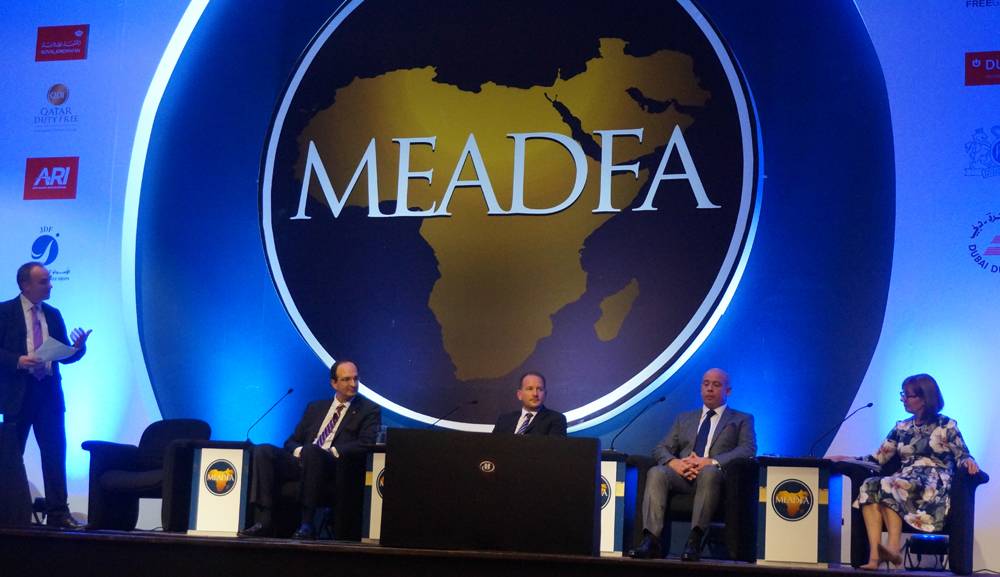
Meadfa-2015-day-one-panel-largeAt the Meadfa conference in Jordan, it was revealed that the weak euro is costing some retailers in the Middle East millions of dollars a month.


“The budget airlines and the restrictions are costing us about $9m a month,” said Dubai Duty Free Manager – Purchasing & Vendor Support Sharon Beecham at Monday’s final debate at the Meadfa conference.


According to Beecham the weak euro – or the strong dollar – is costing the company $6m a month. However, the damage has not stopped there; DDF’s Beecham revealed that DDF has lost about 50% of their Russian passengers, which equates to around $4m a month.


However, DDF maintains that it is ‘still getting great sales from the premium and luxury segments’ and it apparently sells up to four luxury watches a day over $10,000. “It used to be six, but that’s still a great achievement,” says Beecham.


Senior Vice President, Qatar Duty Free and Qatar Airways Inflight Duty Free, Keith Hunter said during the session: “We’ve annualised now so we’re comparing like for like. We’re doing well, but it’s been a tough fight to get to this point.”


Since September 2015 QDF says it has been 20% up on last year, however it had been +23% before then. “Rather than dwelling on the depressing news of just how much business we’ve dropped, more disturbing for me is the way that relationships have been affected with our brand partners/suppliers,” said Hunter today.


Meadfa-2015-day-one-panel-large

(l-to-R) Moodie Report’s Dermot Davitt; WDFG’s Pedro Castro; QDF’s Keith Hunter; ARI’s Gerry Crawford and finally DDF’s Sharon Beecham.

“It would be fair to say that there’s quite a few who have stepped up and helped us and done some ad hoc initiatives and promotions etc. There are also some who have addressed their prices with us. But mainly – and unfortunately our biggest category – in perfume, skincare and cosmetics there has been little action…some but very little…This wait and see response is not good enough.”


Hunter said that he believed that the Middle East region had been ‘royally taken for granted’ by a lot of the European brands in P&C. “Now when we’re being so badly affected, in spite of all the investment that we’ve made to date and continue to make, people aren’t really stepping up and giving us that support to allow us to step up and realise what we all agreed with in the first place.”


Hunter refers to a targeted growth in the Middle East region. “We justified all the investment and expansion based on lot on those conversations and those agreements and relationships and now they’ve gone running and hiding and nobody wants to really address it,” added Hunter.


“Nearly every meeting we have with suppliers is an awkward one. They shy away from the topic or try and change the subject or say unfortunate things, like ‘you didn’t complain when things were going in your favour’ which was not entirely the case.”


Hunter admits that it has been difficult and that ‘12-15 months of inaction’ from suppliers may prompt QDF to start taking some action of its own; perhaps it will rethink its space mix within the duty free.

Numbers down but morale high in Jordan

Dufry-Jordan-Meadfa-2015-cocktailAt Meadfa’s opening cocktail event, the association’s President, Sean Staunton told TRBusiness that he was expecting a number of dropouts from the annual Middle East and Africa conference taking place in Jordan tomorrow and Tuesday, as some members of the industry expressed concern about travelling to the Middle East.


The few absent visitors – Staunton estimates that 320 of the original 340 delegates on the list would still be attending – will most likely have been reluctant to travel following the horrific terrorist attacks which took place in Paris recently, which claimed the lives of 130, along with other attacks in Beirut and Mali.


sean-staunton-meadfa

Sean Staunton opening last year’s Meadfa conference.

He also divulged that the Jordanian Prime Minister would unfortunately no longer be able to attend the event, due to a busy schedule, but the Jordanian Minister of Culture would most likely be stepping in to take his place.


However, Haitham Al Majali CEO, Jordanian Duty Free Shops, who TRBusiness spoke with this evening, was keen to convey just how safe Jordan was today. He said he had received some messages of concern from the travel retail industry, but was able to confidently provide a statement that essentially communicated the following: Although Jordan sits within a much larger region that is experiencing many conflicts, Jordan itself is very safe.


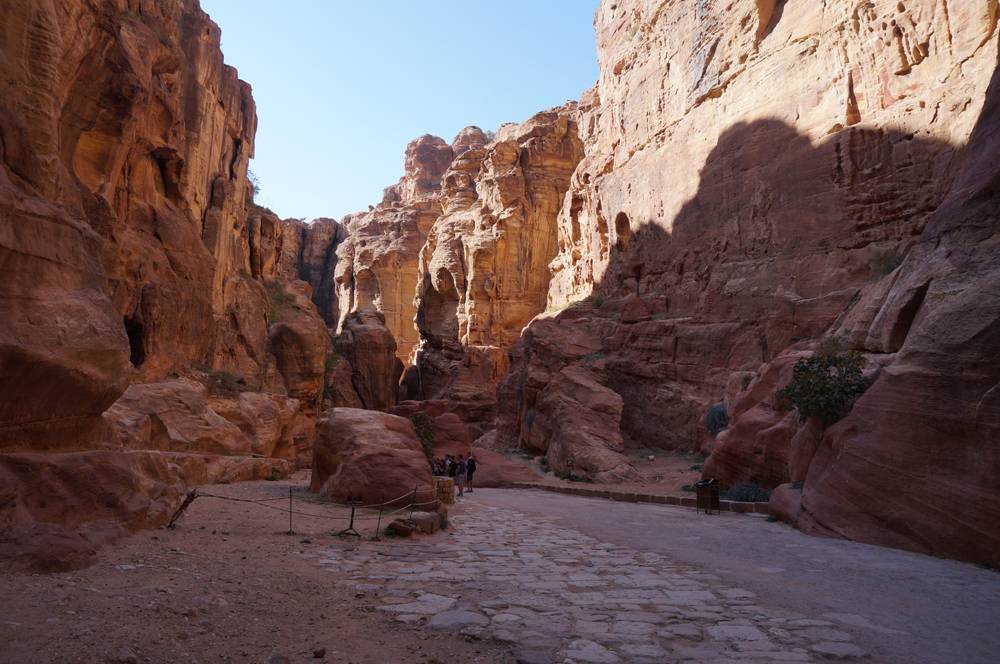
Although after visiting Petra, a UNESCO World Heritage site, TRBusiness can attest that tourism is taking a hit – perhaps an ongoing repercussion of the brutal execution of a Jordanian pilot at the end of last year. The usually packed tourist site has been lacking in visitors in recent years and apparently is now receiving half the visitors it did just four years ago. However, Jordan’s economy is still projecting 3.4% growth for 2015.


Jordan-Meadfa-cocktail-1

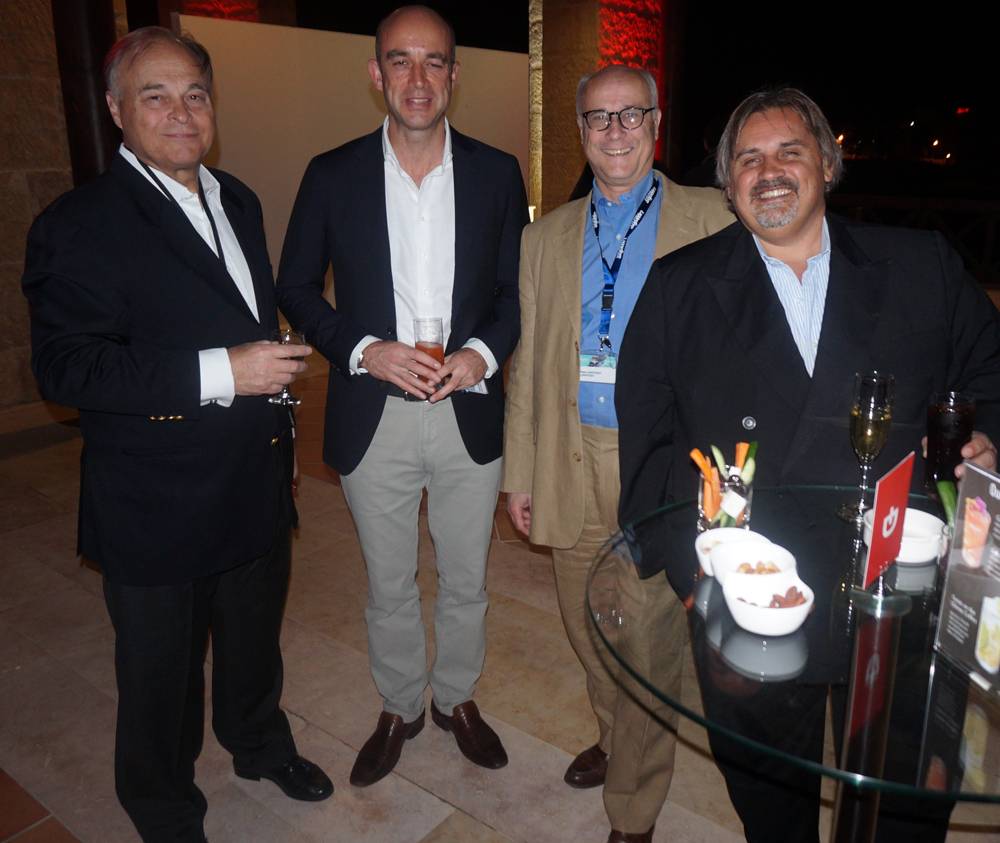
(L to R) TFWA President Erik Juul-Mortensen; Neil Ebbutt Director Wholesale, Rituals Cosmetics; Peter Lightfoot (Lightfoot Marketing) and David Dayan (Luxury Travel Retail Group) attended Meadfa’s opening cocktail sponsored by Dufry.


As reported, at last year’s Meadfa conference, which took place at the Jumeirah Creekside hotel in Dubai, Al Majali gave a brave and honest presentation about a particularly tough period during the ‘Syrian crisis’, during which Jordanian Duty Free Shops (JDF) saw a 30% decline in sales.


It was at this time (2011 in particular) that the company had 120 employees on payroll and did not have the revenue to cover their wages, due to the aforementioned catastrophic drop in sales.


MEADFA-2015-Jordan-Petra

TRBusiness visited Petra on Sunday.

He said that an emergency plan was implemented to compensate losses through the company’s seaport and downtown shops. “We had to increase transaction value and increase passengers,” he said.


Although it seems that many companies are attending the conference in fewer numbers than in previous years, it does not properly reflect the trading health of travel retail in the Middle East. Many suppliers who spoke to TRBusiness this evening, were keen to convey how their businesses were expanding exponentially in the Middle East and Africa.


Dufry ‘ready’ and waiting to move at Brazilian border

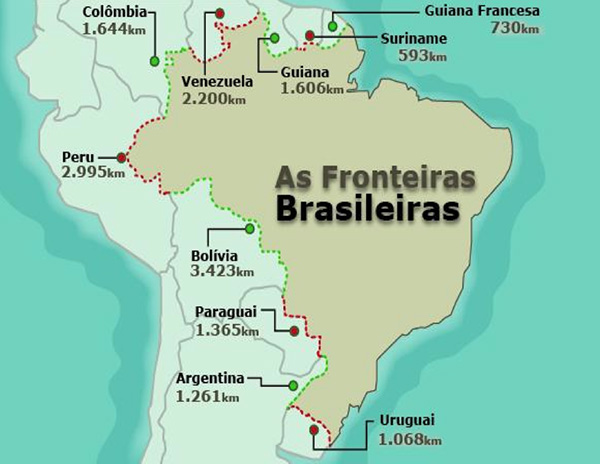
Dufry Julían Díaz Basle:BrazilDespite Brazil’s current turbulent social, economic and political landscape, Dufry’s CEO, Julián Díaz says Dufry is ‘ready’ to open stores in Brazilian cities on the border when the legislation for Law, 12.723 is (eventually) finalised.


Back in March 2014, TRBusiness spoke to the company’s then COO, José Carlos Rosa, who divulged that Dufry was certainly very interested in the business.


The finer details of Law, 12.723 – which was approved in October 2012 by Congress to allow for the construction of duty free shops in Brazilian cities on the border – are still under discussion by the authorities in Brazil.


However, there are issues which are distracting the country’s government from moving forward imminently with any hard and fast decisions. Aside from political scandals hitting Rouseff’s administration, Brazil’s stock market has plummeted in excess of 22% in the past year, its currency has lost a third of its value against the dollar and in the second quarter, its economy shrank by 2.6% year-on-year.

Dufry-Brazil-pre-order-website


TRBusiness was interested to know if Díaz believes that the country still has significant growth potential despite the volatile real and the country’s increasingly fragile economy.


“Brazil has more important problems from a political and social point of view than the duty free shops,” Díaz told TRBusiness (in an exclusive interview) at the same time referring to the possibility of Dufry opening shops on the Brazilian side of the border.


dufry-brazil

Dufry already has a strong presence at Brazilian airports.

“I think the important part about the legislation, as I mentioned in one of these analyst’s conference calls, is approval, now it is pending to be developed with the regional governments.


“But, as I mentioned, I think the focus of this country today is not really to develop duty free shops, from a political and legislation point of view, they have significant challenges,” added Díaz.


“This is one of these projects that could happen very quickly because it’s just specific decisions in specific locations. I think in 2016 these decisions will come, but I think the country has to really solve other problems before they focus on this.”


001 aa brazilian borders

TRBusiness asked Dufry where it stands if this legislation was to be passed tomorrow. “We are ready. We have an organisation, we have a management team and all the resources…we are ready.”


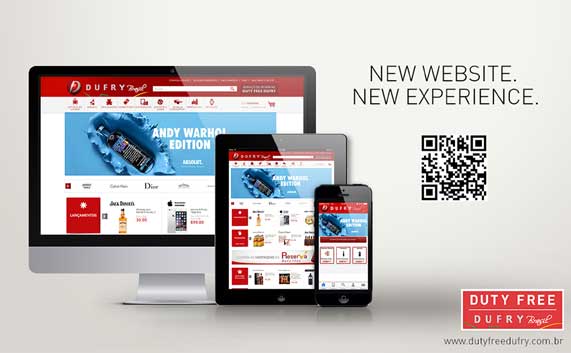
In February earlier this year, the company relaunched its pre-order site, which reportedly has a ‘more modern layout and new functionalities’, and receives 600,000 visitors a month, claims Dufry. The leading travel retailer says that the site is ‘more attractive and dynamic’ and that its next step will be to redesign its smartphone application.


“We have observed the market and identified the need for such improvements, which range from a more functional interface to the introduction of features that enable a better user experience, such as the simplified pre-order process,” said Marcelo Ferreira, Dufry’s Global Webmarketing Manager.


As reported, Dufry’s sales turnover reached CHF4.216.3m ($4.271.2m) in the first nine months to September, up a whopping 43.9% – including a sales contribution from World Duty Free since August – although organic growth fell -4.9% impacted by conditions in Russia and Brazil.


However, the company is quick to point out that when adjusted for the impacts from the two regions, its organic growth is actually positive at +4.7%.


In a recent interview with TRBusiness, Díaz was transparent about the difficulties the company was facing. “Russia, Mexico, Brazil. All the currencies in emerging markets have devalued tremendously over the past 12 months.


“Brazilian real by 72%, Russian rouble by 70%, Mexican peso by 25% and obviously the perception of price impacts the business. All the currencies today including the euro, in terms of travel retail, are really damaging the business because of the perception of price. One year ago, one whisky bottle in Russia was 70% cheaper than today in terms of the rouble.”


He points out that currency fluctuation is probably the biggest problem that the company faces right now, especially when it is as severe as it is today. “I think we all have the same type of consensus with the situation worldwide,” he adds. “One is the currency situation and how this fluctuation and devaluation is impacting emerging markets, because we all nominate our prices in mature currencies.”


For the full-length interview see the December issue of TRBusiness magazine.