David Hayes reports from China where Beijing and Shanghai airports are in renovation talks with Sunrise Duty Free, as other Chinese airports also expand strongly.
Duty free retail facilities in China’s major airports are going through an important expansion phase, as important – and increasingly international – airports across the country open new terminals and prepare to renovate older facilities to handle more international passengers.
China’s domestic airport terminal facilities are also growing at a rapid pace to cope with the large increase in domestic passenger numbers, as economic growth and rising income levels make air travel more affordable for both business and leisure travellers.
In addition to installing modern duty free shopping facilities for international passengers, airport owners have also recently begun opening duty paid luxury brand shops and boutiques in their domestic terminals, where the only difference is that retail prices are duty paid.

[Above: Premium sunglasses offering at Sunrise Duty Free store in Beijing Airport T3]
LUXURY GOODS SALES TO CLIMB
Domestic passenger luxury goods purchases are expected to climb quickly as a result, as airport shops offer a range of goods that travellers from China’s second and third-tier cities may not find easily – or at all – in their home cities.
Beijing Capital International Airport, Shanghai Pudong International Airport and Guangzhou New Baiyun International Airport are China’s three major international airports – each operating many flights to major long-haul destinations.
In addition, a number of regional airports are developing fast into important international gateways as China’s airlines develop international flight hubs at airports in different parts of the country.
Further developments in airport duty free shopping are expected as more provincial governments build new airport terminals to promote economic development and attract investment.
DUTY FREE ARRIVALS SALES
For example, duty free arrivals sales are only permitted at Beijing and Shanghai airports at present, although regional international airports are also keen to open them – a development which the government is expected to approve eventually.
Having said that, Beijing and Shanghai airports record the largest airport duty free sales in China as a result of their large international passenger numbers.
“Business is very good at Pudong Airport,” commented a travel retail industry source familiar with duty free retailing at Shanghai Pudong Airport. “There were about 1.6m international passengers a month on average using Pudong Airport in 2011. Most passengers are Chinese travellers.
“There was no big renovation at Pudong last year but this year the T1 arrival shop has been upgraded. T1 is mostly China Eastern Airlines, Air France and some other passengers.”
 PUDONG AIRPORT
Arrival shopping has developed into an important share of total duty free sales at Pudong Airport after government approval was given in October 2008 for China’s first arrivals operation to open at Pudong Airport.
Perfume and cosmetics have been allocated about two thirds of back wall and gondola space in the renovated T1 arrival shop, while liquor and tobacco occupies most of the remaining arrivals retail space.
Pre-order shopping for collection is also popular with Mainland Chinese travellers using Shanghai Pudong Airport. This correspondent arrived on a late evening flight to find arrival shops in Pudong Airport thronging with passengers, while queues formed at collection counters for duty free goods purchased in the airport’s departure shops which mainland passengers can collect on their return to Shanghai.
“T1 has an arrivals shop and a pick up counter for pre-order purchases in arrivals. It’s mostly returning Chinese passengers,” the source said. “Pre-order goods are purchased and processed in the departure shop. Liquor, tobacco and cosmetics are the main items – liquor, because it’s heavy to carry to carry when travelling and tobacco, because cigarettes are in big cartons.”
SUNRISE DUTY FREE AT SHANGHAI
Sunrise Duty Free (Shanghai) Co Ltd, a private company, holds concessions to sell duty free liquor, tobacco, perfume and cosmetics, luxury goods, and food and souvenirs. The current concession agreement started in 2009 and runs to 2019.
Shanghai Pudong International Airport was opened officially for commercial airline services on October 1, 1999. Originally, Sunrise was awarded a 10-year liquor and tobacco retail license, while three other operators won separate concessions for perfume and cosmetics, luxury goods, and food and souvenir items.
Sunrise began trading in the perfume and cosmetics concession in 2003 and then in March 2007 the company took over Pudong Airport’s luxury goods, and food and souvenir concessions.
The company was also awarded an extension to all four of its Shanghai Pudong Airport duty free concessions in 2007. As noted earlier, this agreement was further extended in October 2008 to include permission to open Pudong Airport’s first arrival shop.
 T2 HANDLES 60M PAX A YEAR
This followed the opening of Pudong Airport Terminal 2 on March 26, 2008. T1 is designed to handle 20m passengers a year, while T2 has the capacity to handle 60m a year.
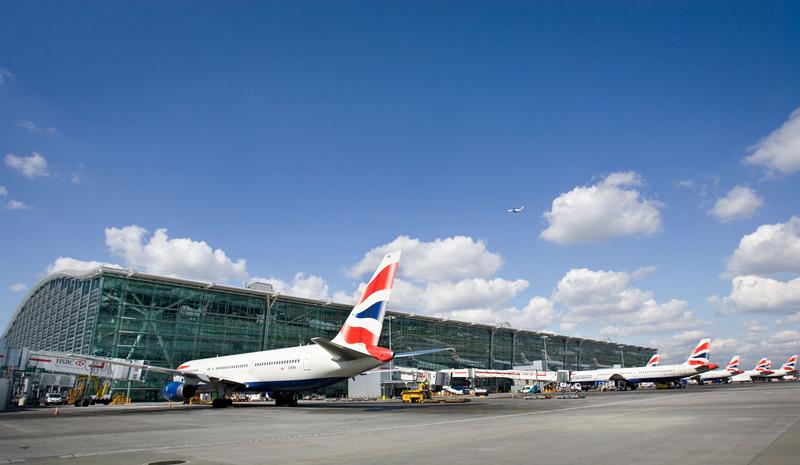
More than half of all flights now depart from Shanghai Pudong T2 which is used by over 30 airlines, including Air China [pictured right] and other Star Alliance carriers; also, Dragonair of Hong Kong.
Departure duty free shops in T2 are grouped in two clusters in both of the terminal’s wings. Outlets include two large liquor and tobacco shops, two large perfume and cosmetics outlets, two general merchandise shops with fashion accessories and other items – plus an electronics shop.
“There are two arrival shops in T2. Liquor and tobacco is in one and perfume and cosmetics in the other,” the source said.
LUXURY BRANDED BOUTIQUES
T2 luxury branded boutiques include Salvatore Ferragamo, Tumi, MCM, Celine, Shanghai Tang, Omega and Lacoste.
“Chinese brand cigarettes are popular at Pudong Airport; liquor is Chinese moutai spirit and whisky,” the source said. “Cosmetics are mostly Lancôme, Estée Lauder and Christian Dior. SK-II and Shiseido also are popular.
“Perfume and cosmetics are growing the fastest. Liquor and tobacco are the other big categories. Fashion is small such as watches, small leather goods and ladies’ bags, but has a lot of potential.”
Passenger facilities have remained largely unchanged in Pudong T2 since the terminal was opened four years ago. Shanghai Airport Authority, which owns Pudong Airport, is believed to be considering various ideas to upgrade its facilities in future.
 COMPETITION IS GROWING
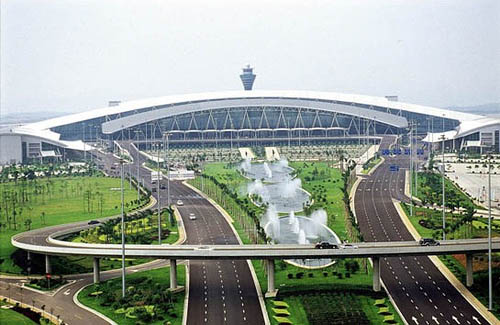
The projected increase in international passenger numbers is one reason; also, competition is growing as other airports including Guangzhou New Baiyun International Airport [pictured left] develop as regional aviation hubs. These airports obviously try to attract more transit passengers from domestic airports who want to connect with long-haul and Asian regional routes.
[Left: Guangzhou New Baiyun International Airport]
“There have been no major changes in Pudong’s departure shops. Shanghai Airport Authority is discussing renovations at the airport with Sunrise to improve the shopping image,” the source said.
Meanwhile, travel retail shopping revenue is growing at Shanghai Hongqiao Airport, which also is owned by Shanghai Airport Authority.
Sunrise also holds the duty free concession at Hongqiao which has primarily operated as a domestic airport since Pudong Airport opened, but operates a number of regional flight connections.
HONGQIAO AIRPORT
Most international destinations are within two hours flying time and include Tokyo Haneda Airport, Songshan in Taipei, Hong, Macau and Seoul Gimpo Airport. Sunrise’s duty free shops are located in Hongqiao T1 which is used for international flights.
In fact, travel retail sales are believed to be much larger in Hongqiao T2 – which opened in 2010 – where Dufry operates the duty paid concession which includes perfume and cosmetics and a number of luxury branded boutiques, including Hugo Boss, Swarovski, L’Occitane, Bally and Coach.
Shanghai Pudong Airport is not the only major Chinese international airport looking to upgrade duty free shopping facilities at a time when demand for luxury brand goods is developing quickly in the country’s fastest-growing regions.
Discussions to improve duty free shopping facilities also have begun at Beijing Capital International Airport where Sunrise Duty Free (China) Co Ltd, a private joint venture company, is sole concessionaire operating duty free shops and luxury brand boutiques in Terminals 2 and 3.
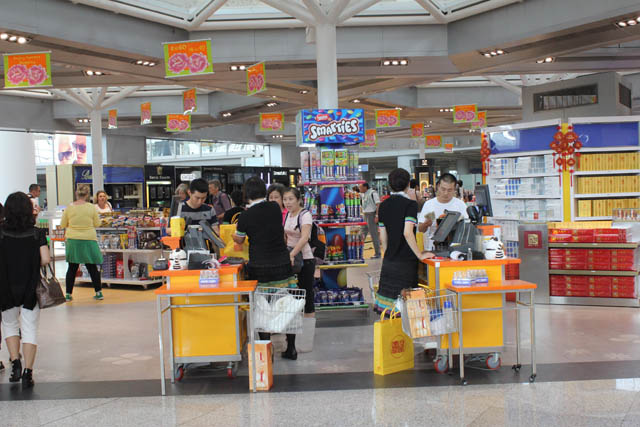
[Above: Walkthrough duty free store operated by Sunrise Duty Free at Beijing Airport T3]
RISING PASSENGER NUMBERS AT BEIJING AIRPORT
According to Hong Kong-listed Beijing Capital International Airport Co Ltd’s (BCIA) published results for financial year 2011 (FY 2011), concession ‘revenues’ [not sales] from retailing rose 29.6% to RMB 761.5m ($119.1m) in FY 2011, up from RMB.587.5m ($91.9m) the previous year.
Details of actual retail sales turnover are not published for Beijing Airport. However, the vast majority is generated by the Sunrise concession, which is understood to comprise a combination of minimum guarantee and performance-related payments.
Rising passenger numbers are driving duty free sales growth at Beijing Airport. BCIA recently announced that combined international and domestic passenger numbers using the airport rose by 4% to 39.38m passengers in the first half (January to June) of 2012, while the number of aircraft movements at the airport increased 4.1% to 271,780 movements during the same period.
Passenger throughput on international routes and regional routes to Hong Kong, Macau and Taiwan increased by 11.1% in June 2012, according to BCIA, while passenger throughput on foreign airlines in June increased 12.1% year-on-year.
‘LIQUOR AND TOBACCO BIGGEST FOR SUNRISE’
Duty free sales are understood to be largest in Beijing Airport’s T3 where Sunrise Duty Free operates more than 10,000sq m of retail space. Perfume and cosmetics are sold in two specialist shops and a general merchandise store, while liquor, tobacco and food is sold in two shops and cigars in a specialist cigar shop.
Sunrise also runs two fashion and accessory shops in T3, along with a specialist shop selling Omega and other fine watches, an electronics shop and individual luxury boutiques for Aigner, Lancel, Bvlgari, LeSportsac, Alfred Dunhill, Chopard, Tumi, Burberry, Salvatore Ferragamo, Shanghai Tang, Lacoste, Piaget, Daks and Bally.
“Liquor and tobacco is the biggest category for Sunrise then perfume and cosmetics, but the fashion business is growing very fast,” said a travel retail specialist familiar with retailing at Beijing Airport. “Duty free prices in Chinese airports are about 20% cheaper than in duty paid shops. Taxes are very high in China. Duty free prices do not depend on the tax level – they depend on the brand image.”
In Beijing Airport T2, Sunrise operates two specialist perfume and cosmetics shops and two general merchandise stores, while liquor, tobacco and food is sold in three specialist shops and a general merchandise store.

[Above: Perfume & Cosmetics at Sunrise Duty Free Store at Beijing Airport T3]
‘ARRIVALS SHOPPING IS NOT A SMALL BUSINESS’
Other outlets include a toy shop, an electronics store and individual luxury boutiques for Hermès, Frey Willie, Omega, Aigner, Alfred Dunhill, Salvatore Ferragamo, Shanghai Tang and Celine.
Sunrise also operates the arrivals shops in Beijing Airport. [The company opened its first duty free arrival shop at Beijing Capital International Airport in March 2008. BCIA added the arrival shop to Sunrise’s existing 10-year concession that started in mid-2006 and which includes all duty free shops in T2 and T3-Ed].
“Arrival shopping is not a small business. It plays a very important part of the duty free business,” the specialist said. “Mainland Chinese make up most of the customers shopping in Beijing and Shanghai Pudong airports. People are always looking at savings they can make, but they also look at luxury brands.”
Meanwhile, BCIA is considering possible changes to its travel retail offer at the airport where outlets in T2 have remained unchanged for a number of years. In addition to a new look, BCIA is also considering the impact of plans to build a new airport in Beijing’s Daxing district on future developments at Beijing Capital International Airport.

[Above: More Perfume & Cosmetics at Sunrise Duty Free Store at Beijing Airport T3]
UPGRADING AT BEIJING AIRPORT
“There has been no big renovation at Beijing Airport, just some upgrading by different brands,” the specialist said. “Renovation of T2 is under discussion by BCIA to achieve a better layout. It will be a big project. Everyone has to wait for the airport’s plan for that.”
Beijing Airport serves as an air transport hub for northern China. The opening of T3 in time for the 2008 Beijing Summer Olympic Games increased the airport’s capacity by 43m passengers annually to around 78m a year.
Due to limited space for further expansion at the existing site, plans call for a new airport to be built in Beijing’s Daxing district to cope with the further growth of air traffic in Beijing in future.
Construction is due to begin by the end of the year for the first phase of the new airport to be completed in 2017. Further details on the new airport project, including terminal facilities are still awaited.

 Trbusiness. The travel retail Trbusiness. The magazine for global retail and duty free professionals.
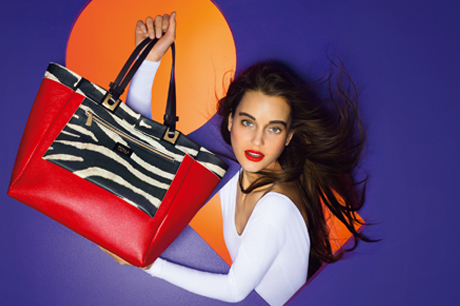
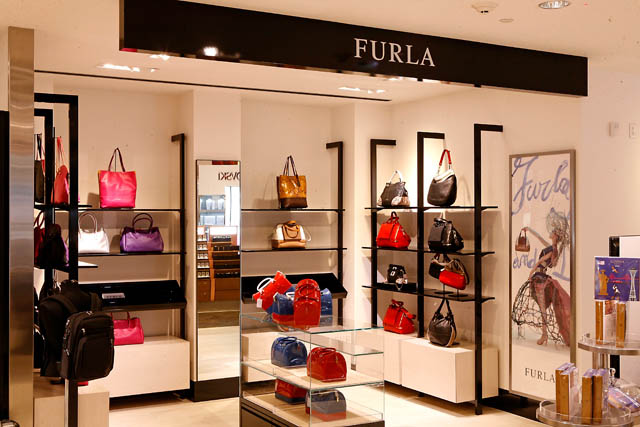
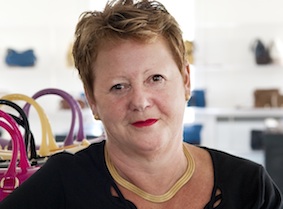 The Business interviewed Munday in the July issue of The Travel Retail Business Magazine, where she shared her opinions on the pricing of luxury goods in travel retail. “I believe in Travel Retail we are sometimes over sensitive on the pricing that is offered in an airport versus the high street.


 THE BIG PLAYERS

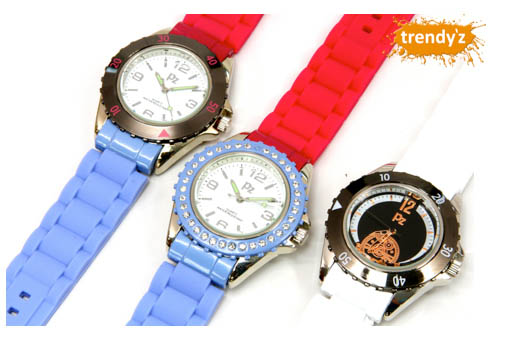 ‘MIXING AND MATCHING’
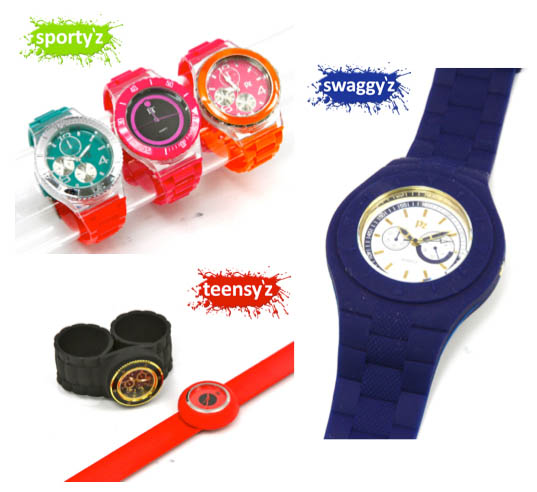 BUILDING THE WATCH
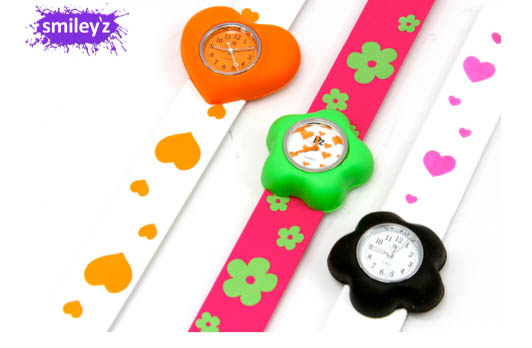 ‘CUSTOMISATION AND INDIVIDUALISATION’

 Maui Jim’s ‘Mavericks’ Style #264 ($299 US MSRP), pays homage to classic aviator styling. The thin full-metal, double-bridged frame is made from pure titanium and is available in three colors with three lens color options for different light conditions: Gold with HCL Bronze lenses [pictured left] for varying light conditions; and Silver or Gloss Black [pictured below] with Neutral Grey lenses that provide the most protection for bright, sunny days.
 Maui Jim uses its Maui Evolution lenses in Mavericks that fuse the best properties of SuperThin glass with the scratch- and impact-resistance of polycarbonate lenses. According to the brand, this makes them lightweight and durable with high-performance optics.