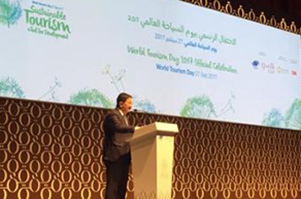
Taleb Rifai, UNWTO Secretary-General.
Last week’s official celebration marking World Tourism Day 2017 took place in Doha, Qatar, where Taleb Rifai, UNWTO Secretary-General warned that this is ‘a crucial time for tourism, as the world stands at crossroads with the two major forces of the digital IT revolution and the travel revolution.
In addition, he said global forces are also leading to ‘hyper-globalization, de-localization and a digital transformation’ at the same time that he believes that ‘many world challenges today are a result of such global forces’.
MAJOR TOURISM GROWTH CHALLENGES…
Under this heading he listed climate change, migration, natural disasters. health pandemics, unemployment, security and digital disruption.
Taleb Rifai said: “These are all global challenges and as such must be addressed globally. But, they are also challenges for travel and travellers. Yet, despite these challenges, and against all odds, international travel and tourism continues to grow.
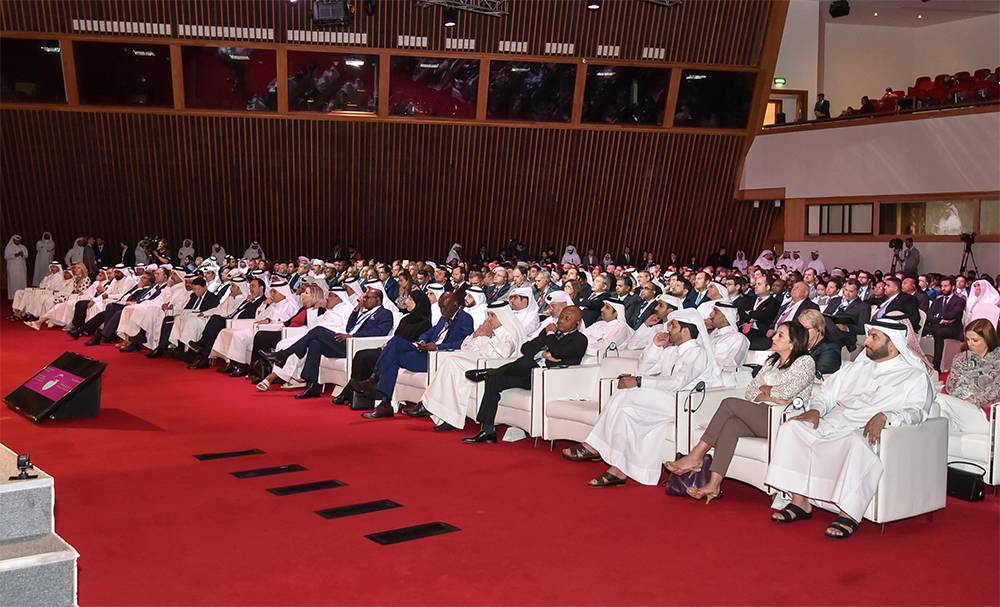
Last week’s official World Tourism Day 2017 celebration was held in Doha, Qatar, where Taleb Rifai, UNWTO Secretary-General told a packed audience that this is ‘a crucial time for tourism’ where fundamental choices need to be made if it is to be sustainable a current levels. (Photo credit: UNWTO).
“Last year – 2016 – was the seventh consecutive year in a row of above average economic growth. This year 2017, the growth is set to continue… another +4.5%.”
‘ONCE-IN-A-LIFETIME OPPORTUNITY…’
He continued: “[It is] a once-in-a-lifetime opportunity to come together and promote travel and tourism as one of the most effective transformative human forces of the 21st century,” he added.
Deliberately making the connection between air transport and tourism, he said: “Both are a force for development and have major responsibilities in building a better and more sustainable world. Both are interlinked, as over half of the people travelling the world today arrive to their destination by air, thus the economic impacts of tourism and aviation are linked.”
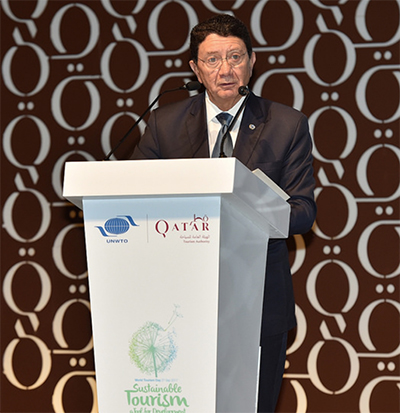
Taleb Rifai, UNWTO Secretary-General.
Acknowledging global challenges, such as climate change, migration and security, the UNWTO chief said, that in 2016, a total of 1,235 million travellers crossed international borders in one year.
$3.2BN WORTH OF GLOBAL SPENDING EVERY DAY
He said this was equivalent to almost one-sixth of the world population making an international trip every year, ‘and while doing so, tourism is bringing tremendous benefits to communities, economies and societies.’
Rifai added that by generating $3.2bn of spending worldwide every day, tourism creates one-tenth of jobs globally, represents 10% of the world’s gross domestic product (GDP) and is 30% of world trade in services.
As the third largest export industry, travel and tourism also fuels UNWTO’s long-term forecasts, showing that by 2030 the number of travellers will have reached 1.8bn.
“But beyond the numbers and the economic benefits, travel and tourism is today a major contributor to a transformation that slowly and gradually is bringing us together, as humans, like never before, in a fast, globalized world,” he stressed.
WIDE-RANGING PRESENTATION
Breaking down stereotypes and enabling people to celebrate rich cultural diversity, is ‘tourism’s greatest contribution to a better world,’ he added.

The main sustainability goals for tourism, as identified by the UNWTO. (Source UNWTO).
While Rifai’s address was very wide ranging, he also said that air transport advances were obviously responsible for some of the key drivers behind the global growth in international tourists from 25m in 1950, to over 1.2 billion today.
But he also warned that more than half the people travelling the world today (52-55%) arrive at their destination by air, meaning that the economic impacts of tourism and aviation are intrinsically linked: “Both have an environmental impact, particularly their contribution to climate change with an estimated 5% of CO2 emissions from tourism – two thirds of which is from transportation.”
Rifai added that the UNWTO aims to make tourism and air transport pillars of a new agenda 2030, as defined in a joint ICAO/UNWTO statement at its general assembly in 2015.

He said: “Together let us make air travel safer, easier, more competitive and more sustainable… more enjoyable, through improving air accessibility; through welcoming competition; through working closer to close the gaps that still exist between aviation and tourism; through ensuring we walk the talk on sustainability, innovation and new technologies.”

 Trbusiness. The travel retail Trbusiness. The magazine for global retail and duty free professionals.
 The organisers behind the hugely successful annual ISPY event, TRT UK, have announced that the ISPY Academy ‘online doors’ are now open.
 The Trump Administration has been named in two lawsuits challenging its September 24 Presidential Proclamation which imposed broad restrictions on visitor entry rights into the US for several mainly Muslim nationals.
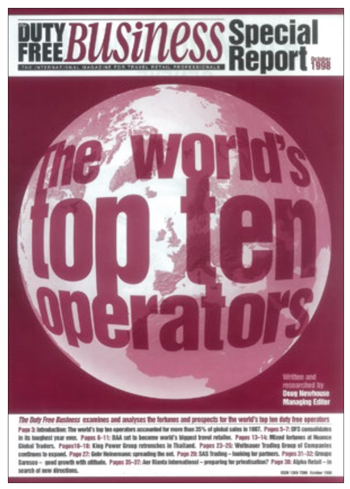
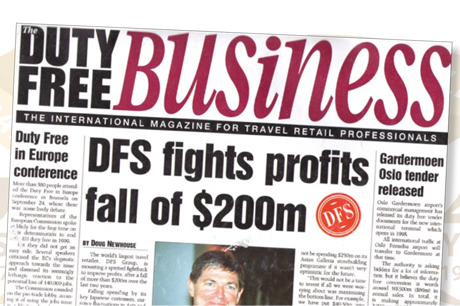 With more than 200 issues and 20 Top 10 Operator reports under its belt, TRBusiness celebrates an impressive two-decade milestone this October.

 “The biggest obstacle I faced was dealing with the recession in 2009, this was a daunting task for me as I am responsible for all the finances, but with good structure in place we got through it…but it was tough.”
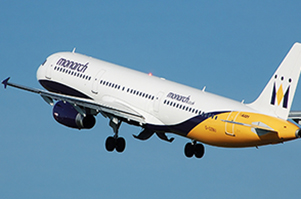 Leading UK carrier Monarch Airlines ceased operations and was placed into administration just after 04.00am London time this morning by international auditors KPMG, leaving 110,000 customers abroad and a further 0.3m facing holiday cancellations.


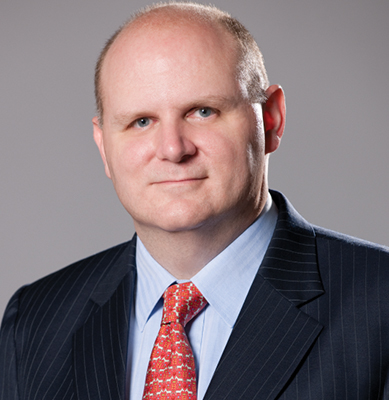
 The Inflight Sales Group’s (ISG’s) Group Managing Director Tony Detter has retired from working with the inflight retailer ‘with immediate effect’.
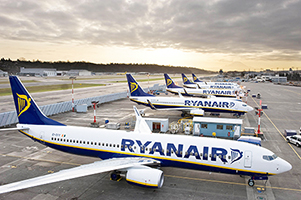
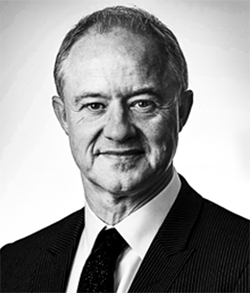
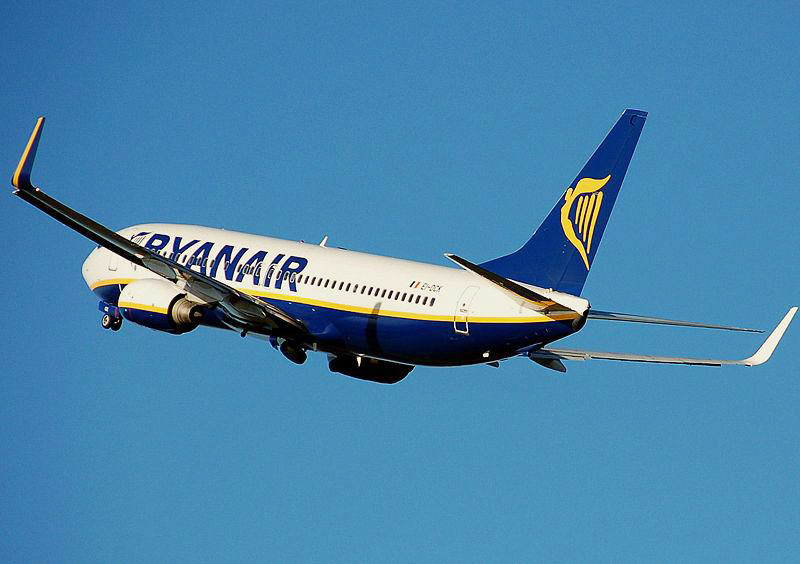
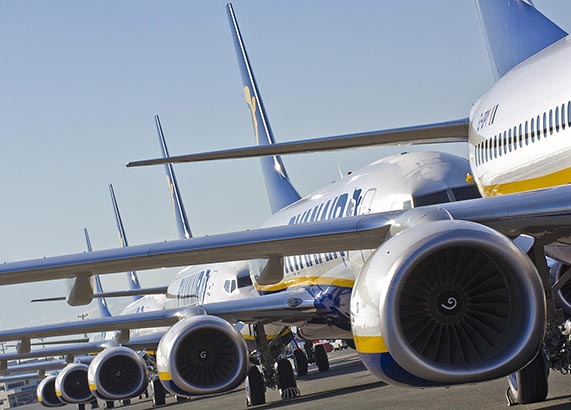
 However, an official spokesman for the Civil Aviation Authority told TRBusiness directly this morning (08.15 local time) that its position has not changed with regard to continuing with its ‘enforcement action’.
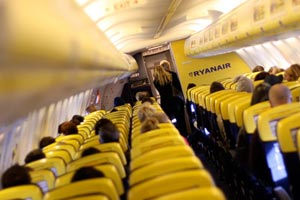
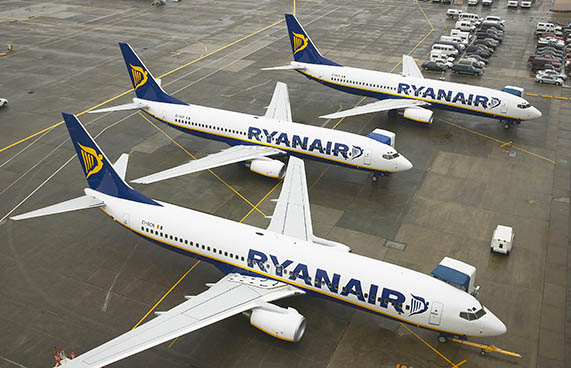
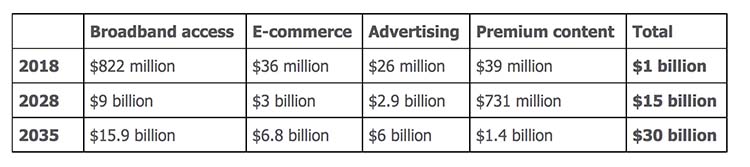
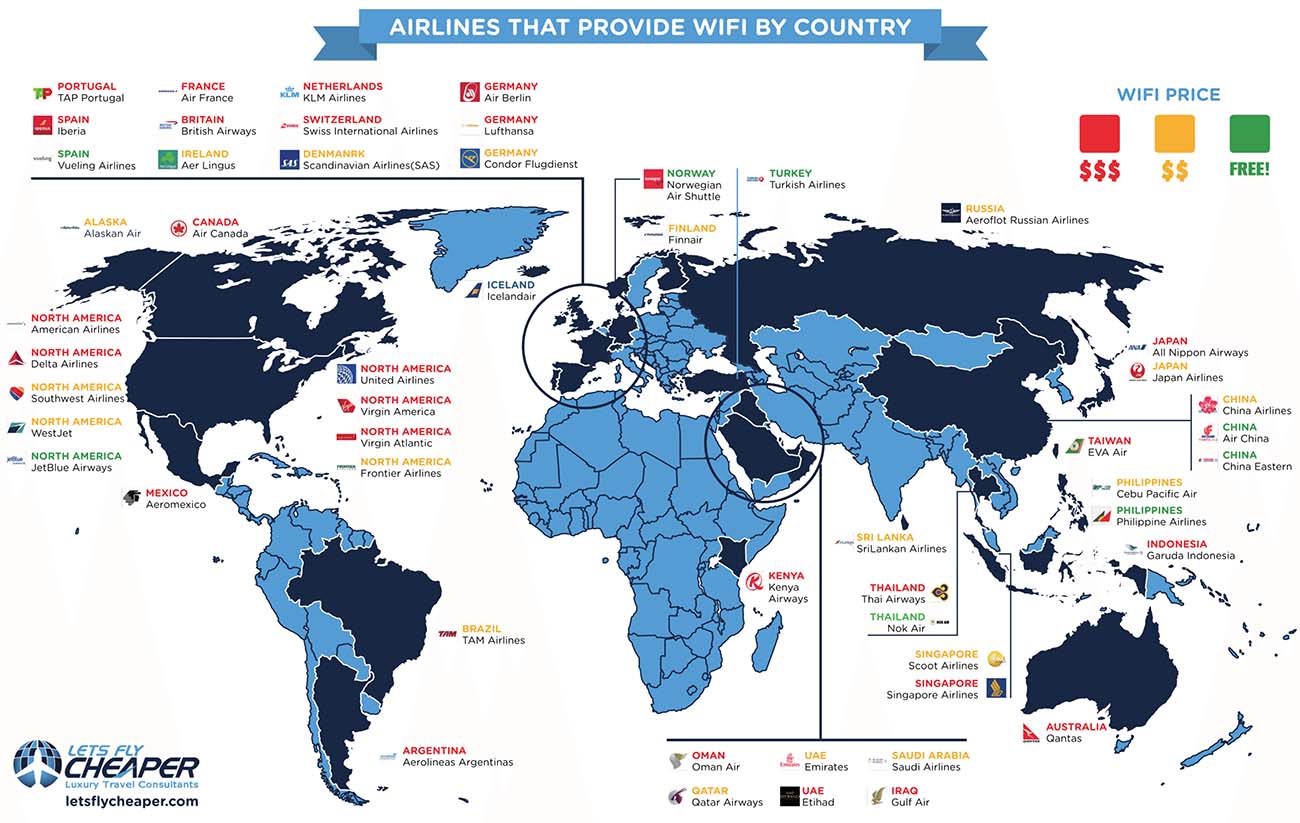
 Airlines will generate an additional $30bn-worth in incremental revenue from broadband-enabled e-commerce, advertising and premium content by 2035, according to a new report from the London School of Economics and Inmarsat, the world’s leading provider of global, mobile satellite communications.

 Counter Intelligence Retail (CiR) has launched its latest studies on Indian and Russian travellers, which include detailed ‘in-depth’ focuses on attitudes towards travel, the airport environment and shopping behaviour within duty free outlets.