 Trbusiness. The travel retail Trbusiness. The magazine for global retail and duty free professionals.
How Bitmore eliminated 50 tonnes of virgin plastic from its supply chain
By Faye Bartle |
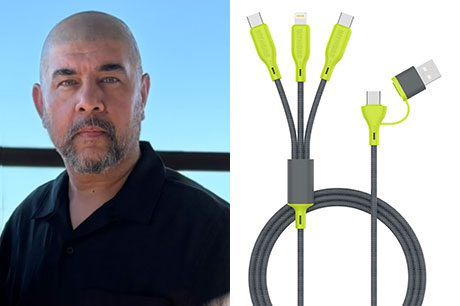
Left: Hoj Parmar, CEO, Bitmore. Right: Bitmore has a collection of carbon neutral audio products made with a range of recycled plastics and plant based materials.
In the first instalment of our new, regular TR Sustainability Hub feature, travel tech and accessories B Corp Bitmore shares how swapping conventional plastics for wheatstraw helped the company to cut more than 50 tonnes of virgin plastic from its supply chain in the space of two years.
Bitmore is known for supplying carbon offset and sustainable power and audio consumer technology, gadgets and accessories exclusively to the travel retail market, and the company walks the talk behind the scenes too.
By striving to move away from disposable tech culture and ‘redefine what responsibility looks like in a traditionally waste-heavy category’, the EcoVadis Platinum-rated supplier has racked up notable accomplishments in the realms of transparency, ethical governance and environmental performance.
One of its most tangible achievements to date – and one that kick-started its sustainable journey back in 2018 – has been replacing conventional plastics with wheatstraw, a renewable agricultural by-product.
At the time, while wheatstraw was widely available, it was primarily used for items like cutlery and plates, as Hoj Parmar, CEO, Bitmore told us: “We discovered it could be blended up to 35% with virgin plastic while still maintaining the required strength and integrity for our components. At the time, certification for recycled materials was both costly and new. There weren’t enough certified suppliers in the chain to guarantee full transparency, which delayed our transition to 100% GRS/RSC-certified recycled plastic. Over time, we persuaded the necessary partners in our supply chain to certify, sharing costs to make it possible, paving the way for what eventually became our standard.”
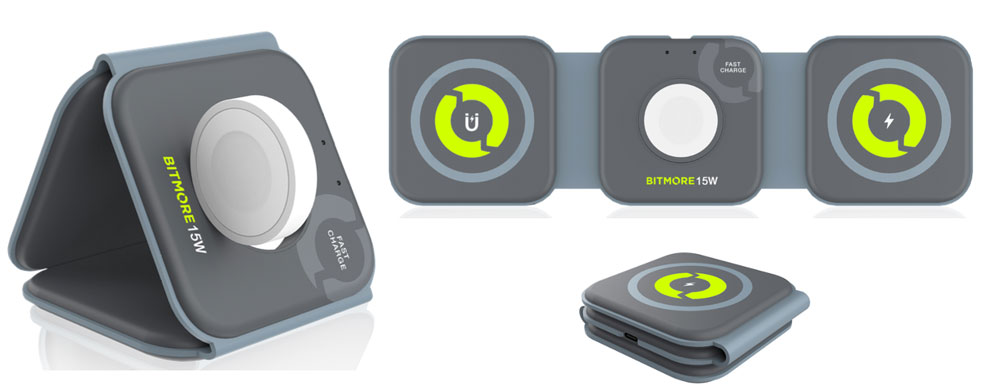
Bitmore MagSafe range 3-in-1 wireless charger.
A limiting factor that reared its head during the process was the naturally brittle structure of wheatstraw. Explained Parmar: “To maintain the required durability and performance of the product, we could incorporate no more than about 35% wheatstraw into the blend.
“Beyond that point, the material would lose too much strength, so 35% became the optimal balance for reducing virgin plastic while still ensuring product integrity.”
Kick-starting a deeper transformation
Ultimately, the shift to wheatstraw alone eliminated more than 50 tonnes of virgin plastic from Bitmore’s supply chain in just two years, states the company, setting the foundation for deeper transformation.
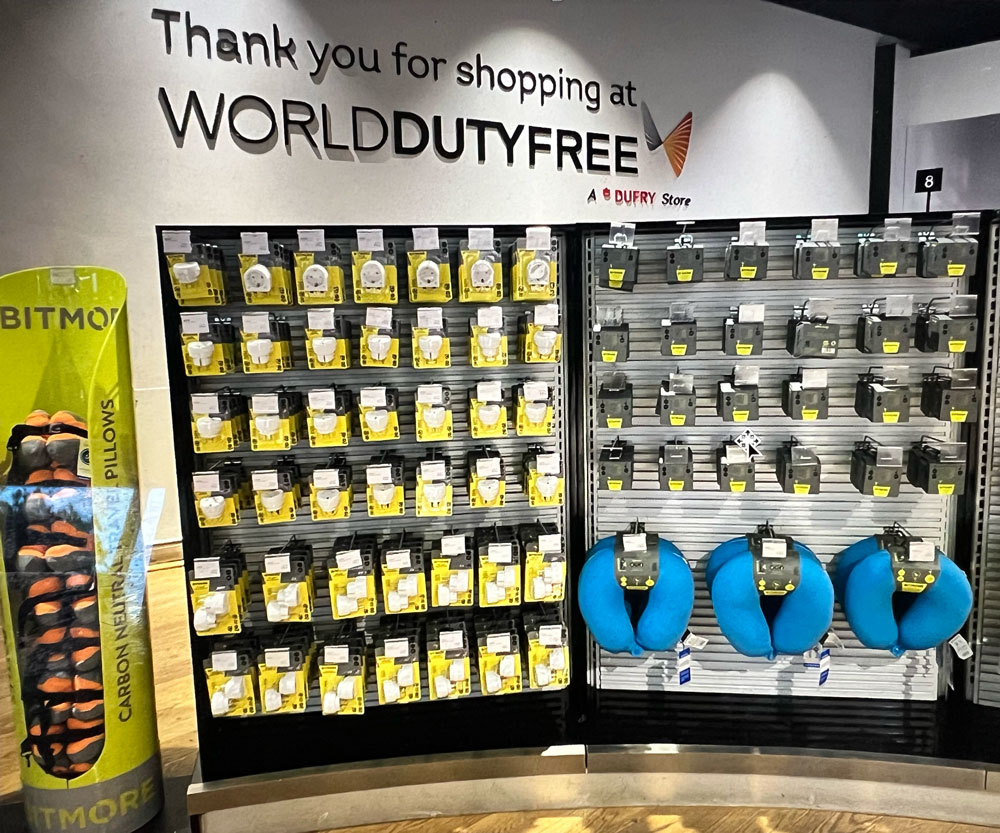
Bitmore at WDF. Today, 92% of Bitmore’s products are made from certified recycled materials, while 100% of packaging is FSC-certified.
“Today, our GRS/RSC-certified products offer complete material transparency from raw input to finished goods,” said Parmar. “At every stage, whenever materials move to the next partner in the production process, Transaction Certificates (TCs) are issued to document authenticity. All suppliers in this chain are certified and may only collaborate with other certified partners, ensuring full traceability and integrity.”
He added: “GRS/RSC applies to the products themselves, while our packaging uses FSC-certified card.”
Navigating the journey has led to Bitmore designing its products around the recycled materials that are available to the company. Currently, around 90%-95% of the plastic in its supply chain is recycled.
“The remaining 5%-10% relates to specific products where material options or certified supply partners are still limited, though we’re actively working to close that gap,” he said, continuing: “It’s also worth noting how rapidly material science has evolved, especially post Covid. Innovation across all material categories – not just plastics – has been extraordinary. Take leather alternatives, for example: there are now multiple sustainable options made from coffee grounds, cactus, apple waste, banana skins, and many more alternatives. This acceleration mirrors the growing consumer demand for genuinely sustainable choices from brands.”
How to make the change
“I would say focus on building transparent, certified supply chains from the outset and be disciplined about the claims you make,” said Parmar. “The most meaningful progress comes from working closely with suppliers, helping them achieve recognised certifications, and ensuring every material can be traced from its origin to the finished product.
“This foundation not only strengthens credibility but also prevents unintended greenwashing. Any sustainability claims should be supported by verified standards and certified documentation, not assumptions or marketing language. It may take more time and collaboration early on, but it creates integrity and trust.”
TR Sustainability Week 2026 is taking place in December – click here to register your interest.
A version of this article first appeared as part of the Global Industry Survey 2026, which featured in the January 2026 issue of TRBusiness.
READ NEXT: Travel Retail Awards Asia Pacific: The winners
READ NEXT: Bitmore: “Travellers want products that feel relevant and meaningful”
READ NEXT: B Corp Bitmore to bring travel comfort and convenience solutions to TFWA WE

La Prairie launches Swiss Pristine skincare collection
Image Credit: La Prairie Swiss luxury skincare brand La Prairie expanded its portfolio in...

Elizabeth Hurley on the power of ELC's Breast Cancer Campaign
Image Credit: The Estée Lauder Companies To mark Breast Cancer Awareness Month in October,...
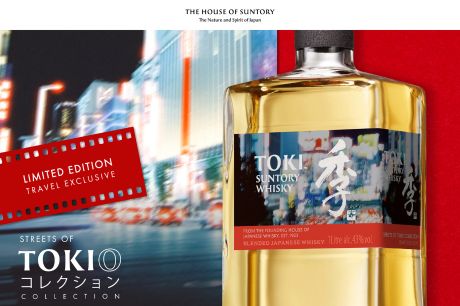
Suntory Whisky Toki debuts first global TRX collection with Streets of Toki
Suntory Whisky Toki has unveiled its first global travel-retail exclusive collection, Streets...
-
 Sustainability,
La Prairie launches Swiss Pristine skincare collection
-
Sustainability,
Elizabeth Hurley on the power of ELC's Breast Cancer Campaign
-

In the Magazine
TRBusiness Magazine is free to access. Read the latest issue now.