UK Chancellor of the Exchequer Rishi Sunak today (3 March) unveiled an additional £65 billion/$90 billion tranche of funding in a budget centred squarely on supporting the country as it emerges from lockdown.
An extension to the furlough scheme, support for the self-employed, business grants, loans and VAT cuts bring the government’s total fiscal support to more than £407 billion.
But there was no direct mention of, or tailored aid for, the beleaguered aviation industry in the Chancellor’s 2021 budget address to the House of Commons, prompting consternation from sector leaders.
‘SLAP IN THE FACE’
The Airport Operators Association (AOA) called the budget ‘blind to the impact of the near-complete shutdown of international travel’.
“While the extensions of the Job Retention Scheme and airport business rates relief are very welcome, they are not nearly enough given the scale of Covid-19’s impact,” said AOA Chief Executive Karen Dee. “Combined with the long‑haul APD increase, which is a very damaging blow to an industry already on its knees, this is not a Budget for a global Britain.
“Aviation will have a long road to recovery, with passengers not expected to return to 2019 levels until the late 2020s. An abrupt end to government support for aviation in a few months’ time will lead to difficult decisions for airports, including on employment levels. The UK’s global competitors have recognised this and have backed their airports and aviation sectors with support far exceeded the UK’s efforts to date.”
Heathrow Airport CEO John-Holland Kaye similarly criticised the government’s lack of attention to aviation.
He said not offering full business rates relief for airports was a ‘missed opportunity’ in ensuring the industry can play an integral part in the recovery.
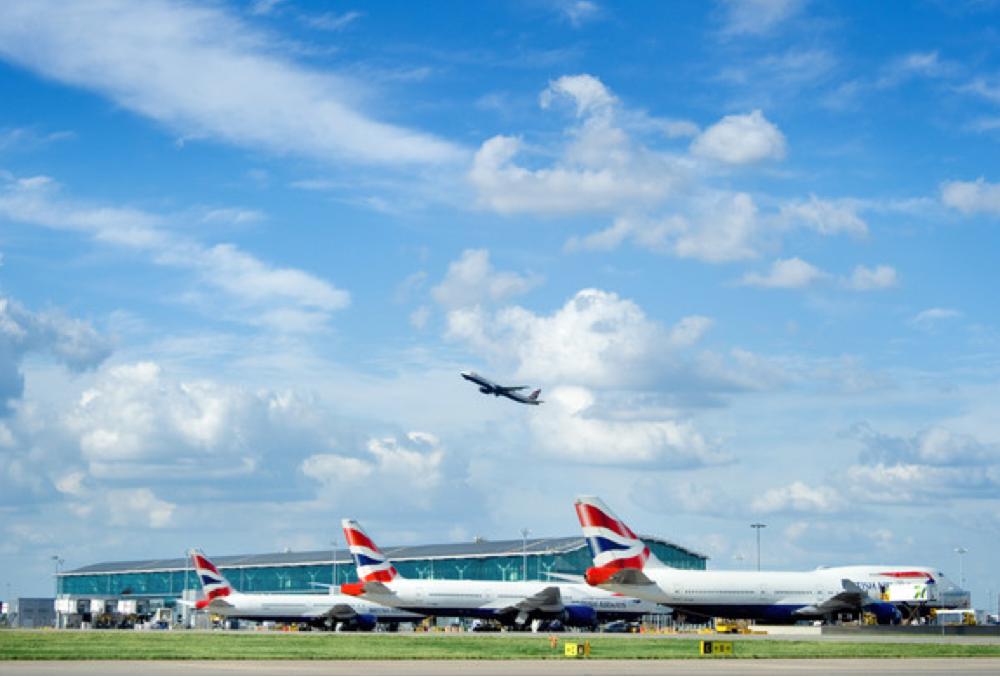
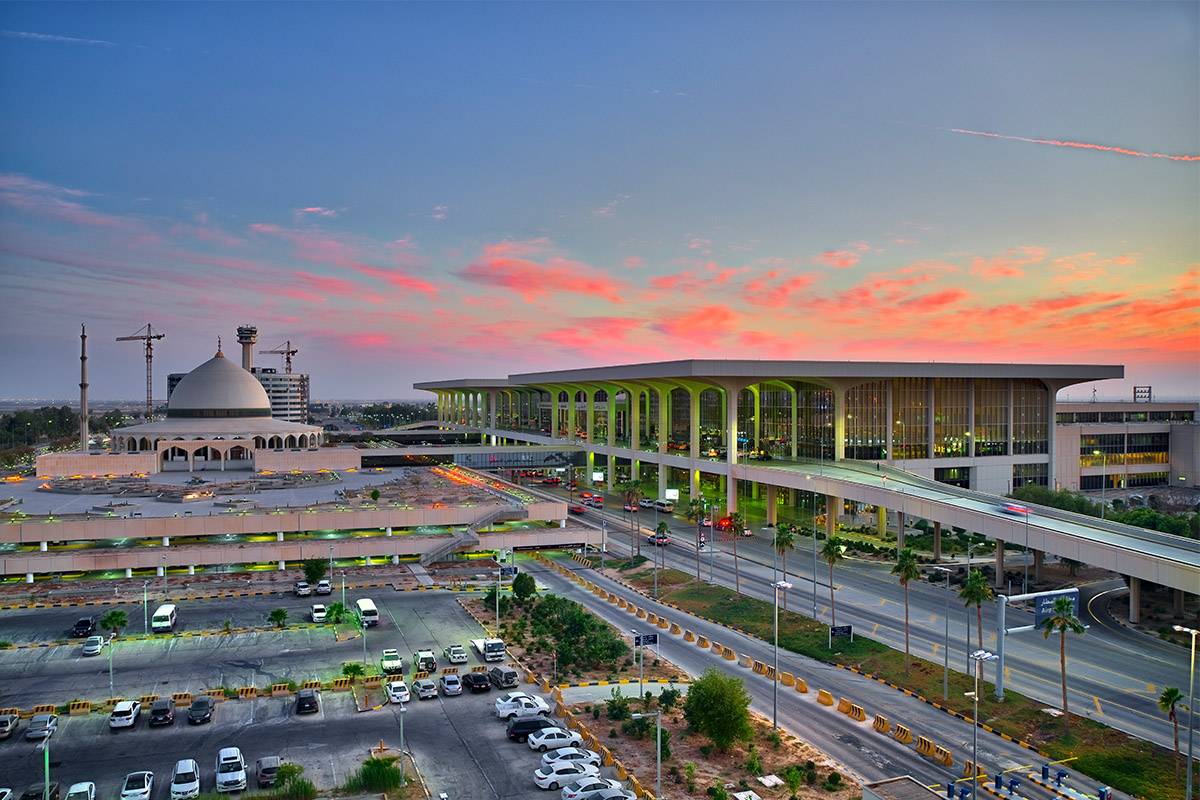
The lack of any direct mention of aviation in the UK Chancellor’s budget has attracted the ire of the industry, including Heathrow Airport which lamented a ‘missed opportunity’ to ensure aviation plays a key role in the country’s recovery. Source: Heathrow.
“The Chancellor talks about protecting jobs and livelihoods, fixing the public finances and laying the foundations for the future economy, and yet he continues to ignore the UK’s aviation sector.
“He clearly doesn’t understand that all three depend on a strong aviation sector delivering the trade, tourism and investment that power vast parts of the British economy.
“The absence of any meaningful support from the government in the face of tough restrictions which have ground travel to a halt will weaken the sector and limit UK growth at the time it is needed most.”
British Airline Pilots Association (BALPA) General Secretary Brian Strutton added: “The Chancellor said not one single word about aviation in his budget. I am utterly dismayed that he can ignore this industry which is clearly going to be the last to recover from Covid.
“While there was sector-specific money for non-essential retail, hospitality, leisure, gyms, personal care, arts, culture and the housing sector, there was not one word of backing for our vital sector.
“This is a massive slap in the face for the industry that has supported repatriations, brought in vital supplies and faced never ending changes to restrictions and rules and a total shutdown as a result of government policy.
“Mr Sunak has totally abandoned aviation and failed to acknowledge just how difficult times are for the sector right now. This budget could push many airlines further in to a death spiral and cost even more jobs.
“We must now look to the vital Global Taskforce report on April the 12th to give our aviation industry certainty and security and help us to plan a way though this crisis.”
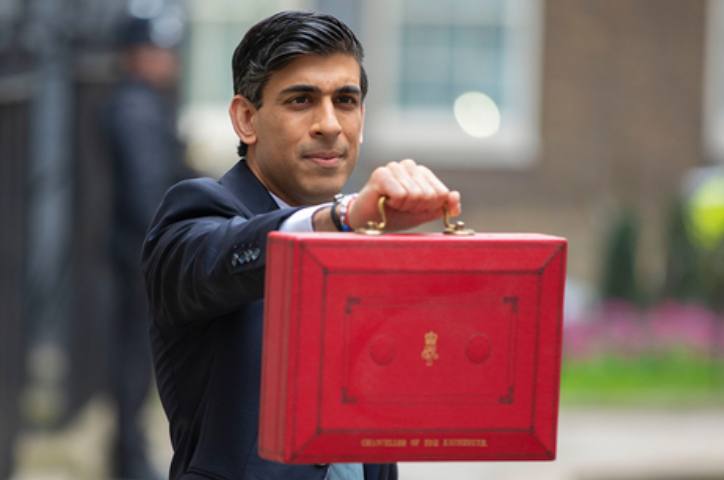
UK Chancellor of the Exchequer Rishi Sunak has set out a three-point plan to fuel economic recovery, protect jobs and drive investment. Source: HM Treasury.
FREEPORT AT EAST MIDLANDS AIRPORT
In his budget announcement, Sunak set out a three-point plan: support for jobs and businesses, an investment-led recovery and future changes to strengthen public finances.
The Office for Budget Responsibility (OBR) expects the economy to return to pre-Covid levels by the middle of next year – earlier than expected.
The economy is forecast to grow by 4% in 2021, rising to +7.3% in 2022.
“First, we will continue doing whatever it takes to support the British people and businesses through this moment of crisis,” declared Sunak. “Second, once we are on the way to recovery, we will need to begin fixing the public finances – and I want to be honest today about our plans to do that. And, third, in today’s budget we begin the work of building our future.”
Among the measures announced in the budget, the Coronavirus Job Retention Scheme has been extended until September and the Self-Employment Income Support Scheme will continue with further grant phases.
Corporation tax has lifted to 25%, though the increase will not take effect until 2023.
Businesses with profits of £50,000 or less will continue to be taxed at 19% and a ‘tapered rate’ on profits above £50,000 will apply.
Business rate holidays have been extended for a further three months, helping businesses in the retail and hospitality segments, and the temporarily reduced 5% VAT rate will continue until 30 September.
In addition, new ‘freeports’ are to be established in seven locations, including at East Midlands Airport.

 Trbusiness. The travel retail Trbusiness. The magazine for global retail and duty free professionals.