Archives

Michael Payne steps back from IAADFS role

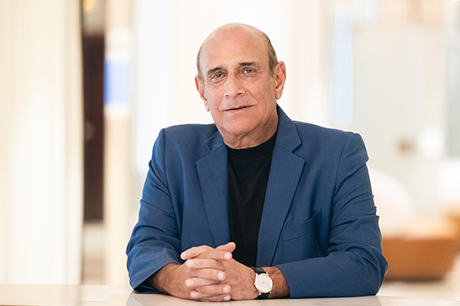
IAADFS President and CEO Michael Payne

Michael Payne will continue to be involved in the association’s advocacy, governance and content activities.

Michael Payne is stepping back as President and CEO of the International Association of Airport and Duty Free Stores (IAADFS), it has been announced.

The industry veteran will continue to serve as Chief Advisor to the Board on matters of advocacy, governance and programme content while shifting away from day-to-day operations involving membership services, budgets and related areas.

“As we go through some of our scheduled strategic changes and redefining our scope as an organisation, we want to be able to take advantage of his knowledge and relationships and are pleased to have his continued involvement and support,” said IAADFS Chairman Rene Riedi.

“We plan to have Michael actively participating in Cannes to focus on his areas of responsibility and helping to promote the next Summit.”

Executive Director Steven Antolick will continue to manage the operational requirements of the association, including membership development, budgets and Summit meeting requirements, via the association’s contract with management firm Smithbucklin.

‘Fresh approach’

Payne added: “I feel this is a really good solution as we go through this transition period. This conversation started back before Covid, which of course changed everything, and it clearly wasn’t a good time to make any major staff adjustments.

“We now have an energised Board with a number of new members from both the supplier and operator side who have an appreciation and understanding of what changes need to be made to better serve our members and reflect the rapidly changing nature of our industry. It’s a perfect time for new leadership and new thinking. I’m grateful for the opportunity to stay involved but recognise it’s time to welcome a fresh approach.”


Travel Retail Awards: Leading airports set to attend

Heavyweight airport operators Fraport AG and Heathrow will join a roster of leading brands and other DF&TR stakeholders in the room for the highly anticipated consumer-voted Global Travel Retail Awards ceremony.

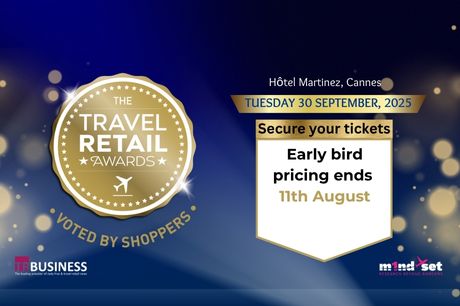
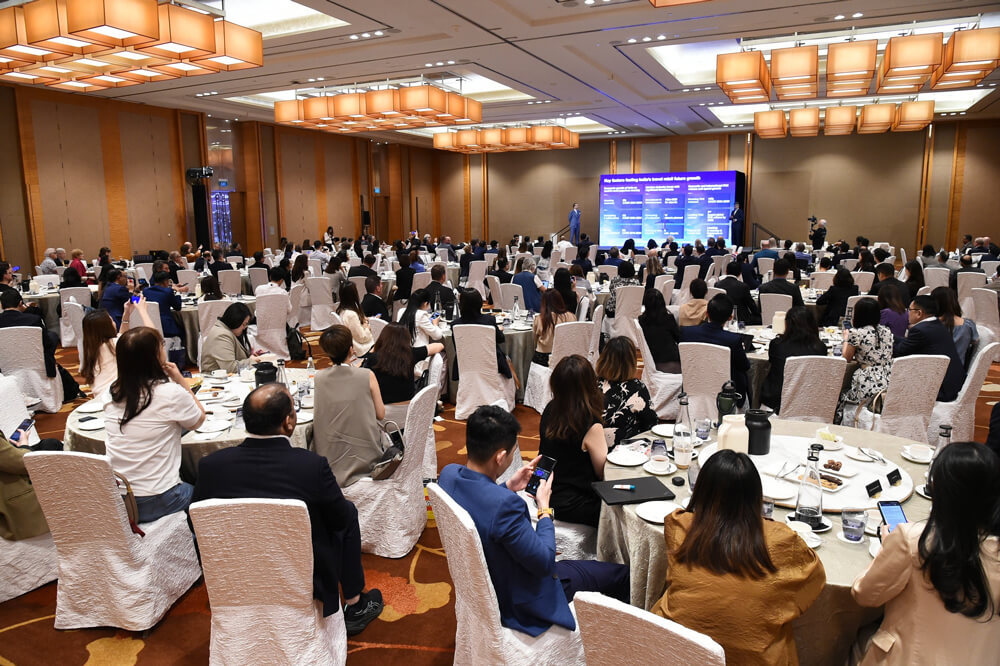
TRBusiness revealed the ‘Voted by Shoppers’ finalists last month for the DF&TR industry’s only consumer-voted awards event, which takes place on Tuesday 30 September (18:45 – 23:00) at the Hôtel Martinez in Cannes, dovetailing with TFWA World Exhibition & Conference week.

Nigel Hardy and Janice Hook, Co-Owners and Joint CEOs of TRBusiness said: “The 2025 consumer-voted Global Travel Retail Awards is shaping up to be another industry-inspiring evening, with the broadest and most dynamic set of entries we’ve received to date being put to the scrutiny of our leading panel of consumer judges and international travellers.

“We would like to pay a special thank you to the influential lineup of bloggers/vloggers and our partner m1nd-set for pouring their respective time and energies into another rigorous judging process that has once again set the gold standard in defining the consumer mark of confidence.”

Early bird rate ends Monday

Demand for tickets continues to soar, including from entrants now basking in the glow of their coveted finalists accolades – eager to learn whether their submission(s) has secured ‘Winner’ or ‘Highly Recommended’ status – and other channel executives curious to discover the evening’s unique blend of first-class hospitality and entertainment while learning more about the unrivalled qualitative and quantitative methodology that informs the judging process (more below..).

The good news is there is you can take still take advantage of early bird rates until Monday 11 August – but time is running out to secure your place at the global ceremony that recognises those products and concepts that resonate highly with travelling shoppers.

Global Travel Retail Awards 2025 - bloggers – TRBusiness – TRBusiness

Single tickets are priced at £390.95 + VAT (20%) with the option to secure a table of 10 for £3,709.50 + VAT (20%).

From 12 August, final release ticket pricing will apply: £450 + VAT (20%) for a single ticket and £4,300 + VAT (20%) for a table of 10.

What can you expect?

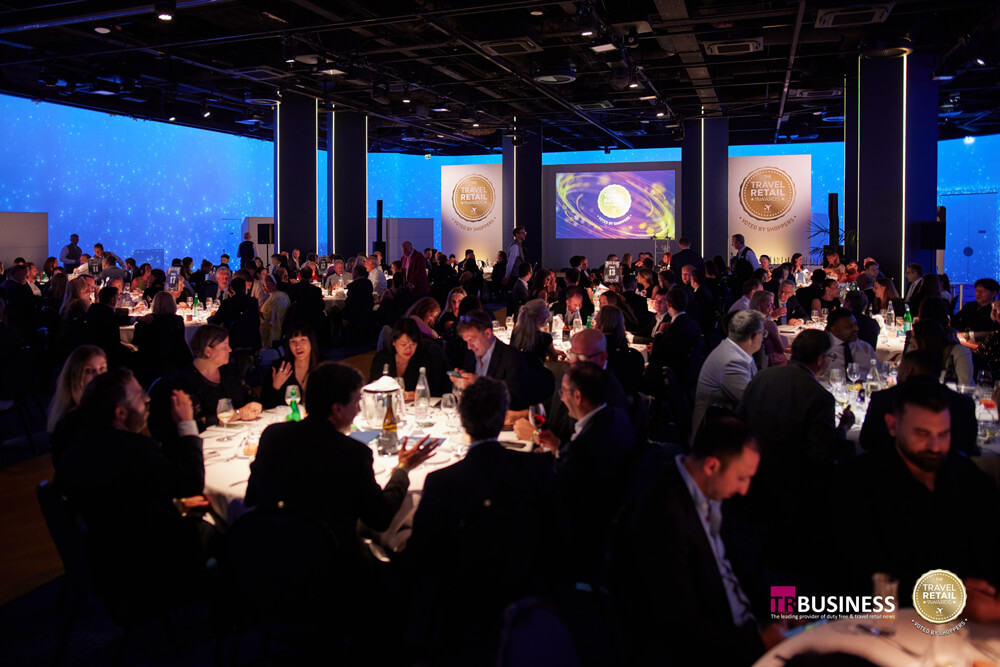
In customary fashion, attendees to the consumer-voted Global Travel Retail Awards are in for an outstanding evening, beginning with a welcome reception featuring drinks and hors d’oeuvres before seats are taken for a sumptuous three-course dinner as the spectacular live ceremony gets underway.

Proceedings will conclude with an after-party boasting live music from popular band Brightlights, plus each ticket holder will walk away with a delegate gift bag.

During the evening, attendees will learn more about the award programme’s in-depth judging process.

Entries are assessed by 5,000 consumers, who are independently sourced from data partner m1nd-set’s unique and qualified database of international travellers – each of whom will have travelled through an airport within the past six months. This stage of the judging process comprises 80% of the overall score.

Attendees to the consumer-voted Global Travel Retail Awards are in for an outstanding evening, beginning with a welcome reception featuring drinks and hors d’oeuvres before seats are taken for a sumptuous three-course dinner and the spectacular live ceremony, concluding with an after-party boasting live music from popular band Brightlights, plus a delegate gift bag for each ticket holder.

The remaining 20% leans on the perspectives of a panel of influencer judges who have added benefit of being able to touch, feel and try out the product entries during a three-day in-person judging session.

This year’s crop of influential consumer judges gathered in London in June for this year’s judging session to assess the full gamut of product and CSR & retail initiatives – stay close to TRBusiness.com for a series of exclusive video soundbites set to rollout in the lead-up to the ceremony, as TRBusiness brings you the inside track on how our consumer judges perceive the travel shopping experience today and the push-and-pull factors influencing purchase.

An extended video compilation of the soundbites will be aired at the Global Travel Retail Awards ceremony.

As consumers become more discerning and preferences continue to evolve, TRBusiness has introduced new categories this year to reflect the changing pace and expectations of the travel shopping experience.

‘Best Airport Activation (Out-of-Store)’, ‘Best Airport Retail Initiative (Special Occasion)’ and ‘Best Airport Retail Initiative (Campaign)’ bolster the incredibly popular ‘Airport Retail Initiative’ category, which launched in 2024 and has this year been refined to ‘Airport Retail Initiative (in-store)’.

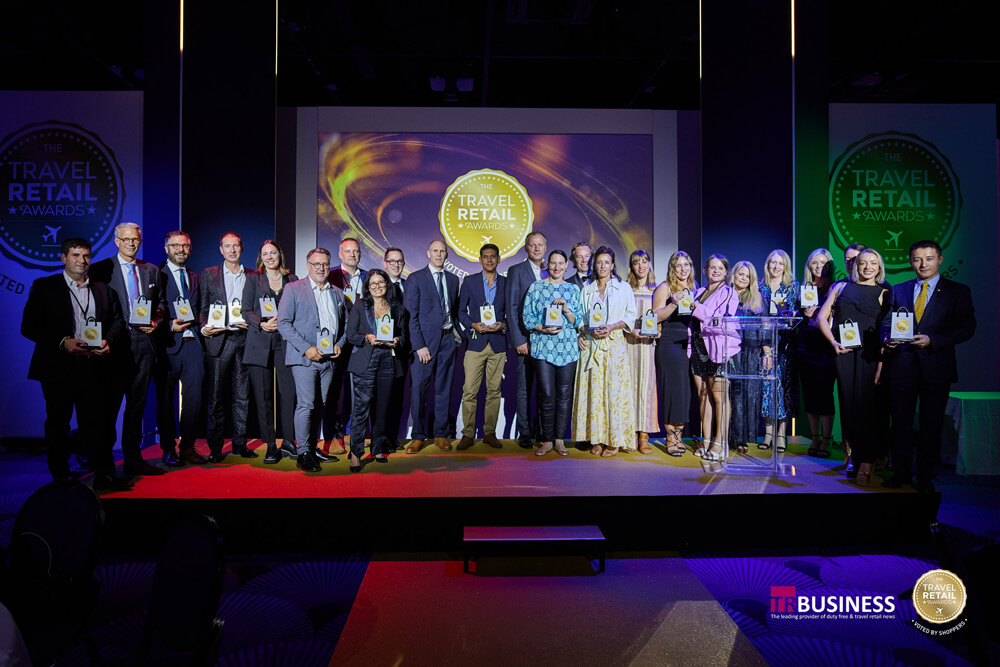
Winners’ circle: Trophy winners gather on stage for a celebratory group shot at the 2024 Global Travel Retail Awards.

As last year, finalists will have two chances to tread the awards stage with trophies and compact shopping-bag-style gongs up for grabs for those declared as Winners and Highly Recommended, respectively.

Additionally, all entrants will receive valuable feedback from the panel of consumer judges.

Insights by m1nd-set show that 22% of consumers are more likely to purchase a product displaying the ‘Voted by Shoppers’ Finalist logo, while nearly a third (31%) of consumers are more likely to purchase a product displaying the ‘Voted by Shoppers’ Winner logo.

Global Travel Retail Awards 2025 - bloggers – TRBusiness – TRBusiness


TRBusiness looks forward to welcoming you to another unforgettable evening of conviviality and education, as we crown the best-in-class products and initiatives that have earned the stamp of consumer confidence.

Thank you to all those who entered – we wish you the very best of luck on the evening.

For more information, visit travelretailawards.com

To relive the best moments from the seventh edition of the consumer-voted Global Travel Retail Awards in 2024, you can view a dedicated e-zine by clicking here.

READ MORE: Revealed – Travel Retail Awards 2025 finalists

READ MORE: Influencer judges gather to assess Global Travel Retail Awards entries

READ MORE: NEWS ALERT: New category added to Global Travel Retail Awards 2025

Thank you to our partners


ETRC re-elects Nigel Keal as President on a one-year term

Nigel Keal will continue to serve as ETRC President following a members’ vote.

Members of the European Travel Retail Confederation (ETRC) have voted unanimously to re-elect  Nigel Keal as President of the association on a one-year term.

Keal’s latest tenure was decided at the association’s Annual General Meeting held in Brussels last week.

“It is an honour to serve as President of the ETRC where we endeavour to continuously enhance member services,” said Keal.

“It is also my ambition that ETRC will continue acting as a platform to contribute to the ongoing dialogue about the future of travel retail towards building a stronger travel retail ecosystem, including the upcoming study on business models due to be launched in September.

“I am thankful to the members of ETRC for their trust and would particularly like to acknowledge the work and support of the Managing and Supervisory Boards.”

The ETRC Managing Board comprises Pedro Castro, Vice-President External Affairs – Global Public Affairs Director, Avolta; Philippe Margueritte, Vice-President Brands – President, Tax Free World Association (TFWA); Piret Mürk-Dubout, Vice-President Maritime Affairs – Member of the Management Board at Tallink Grupp/VD Tallink Silja AB; Paul Neeson, Vice-President Aviation Affairs – Director Retail, ARI Ireland; and Nina Semprecht, Vice-President Communications and Public Affairs – Director Corporate Communications and External Affairs, Gebr. Heinemann.

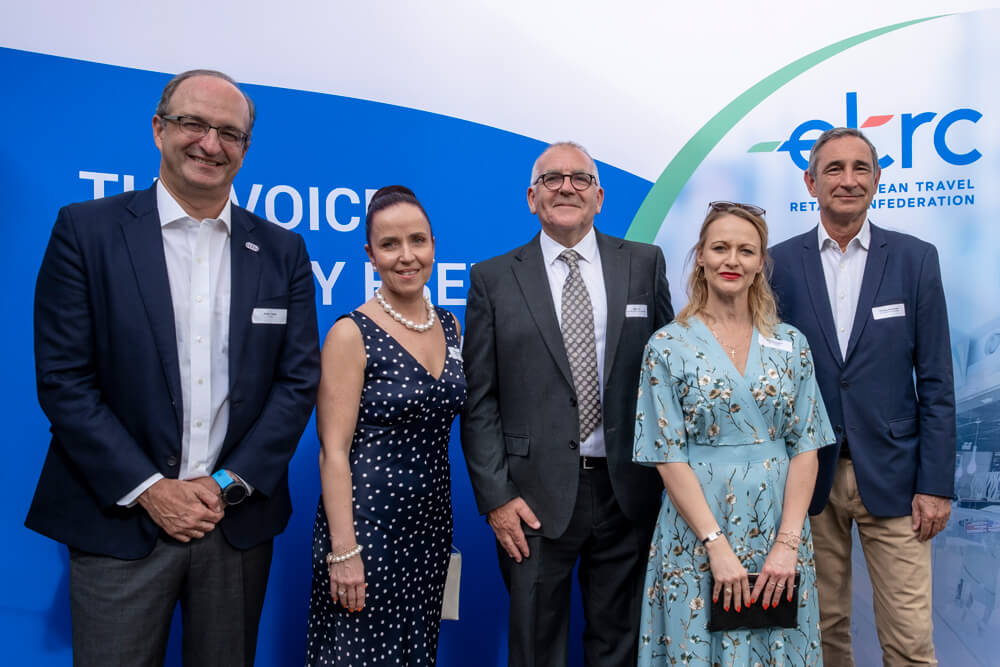
The ETRC Managing Board (L-R): Pedro Castro, Vice-President External Affairs – Global Public Affairs Director, Avolta; Piret Mürk-Dubout, Vice-President Maritime Affairs – Member of the Management Board at Tallink Grupp/VD Tallink Silja AB; Nigel Keal, President, ETRC – Chair, UKTRF; Nina Semprecht, Vice-President Communications and Public Affairs – Director Corporate Communications and External Affairs, Gebr. Heinemann; Philippe Margueritte, Vice-President Brands – President, Tax Free World Association (TFWA); and Paul Neeson, Vice-President Aviation Affairs – Director Retail, ARI Ireland (not pictured).

During a cocktail reception on the sidelines of the AGM, ETRC launched a new study commissioned from global advisory firm interVISTAS titled the ‘Economic Impact of Duty Free and Travel Retail in Europe’.

The study, which pinpoints the role of DF&TR on the European travel and tourism industry and the European economy as a whole, identified several key findings.

European DF&TR sales have witnessed notable growth and recovery since the Covid-19 pandemic, registering €2.1 billion/$2.4 billion in 2023.

It is estimated that 74% of European duty free and travel retail sales occur in the aviation channel (mainly airports) versus 54% globally.

DF&TR activities in Europe are estimated to directly support 61,900 jobs, generating €7.7 billion in GDP and indirectly support 136,400 jobs in the region.

Keal added “As ETRC President, I am proud to present this important contribution establishing the economic impact associated with the duty free and travel retail market in Europe,” said  It is our hope that the findings will help policy makers and stakeholders have a greater understanding of the unique nature of our business and its innate value.”

A copy of the full report from InterVISTAS can be downloaded by clicking here.

Retail inMotion secures new five-year onboard retail contract with Ryanair

Retail inMotion

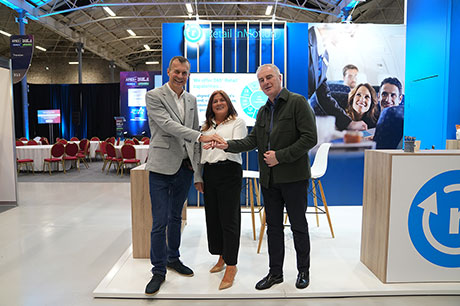
Greg O’Gorman, Director of Ancillary Revenue at Ryanair; Michelle Tully, Retail Director for Ryanair; and John Moriarty, CEO, Retail inMotion at FTE EMEA, RDS, Dublin. Photographer: Steven McKenna.

Retail inMotion (RiM) has secured a new five-year contract with Ryanair for onboard retail product, distribution and technology.

The airline is RiM’s longest-serving client, with this latest contract building on the duo’s 15-year collaboration, which began with the supply of small foil wobags (‘baggies’) and sandwiches, gradually expanding to cover the full food and beverage (F&B) distribution onboard.

Managing a complex supply chain, with over 90 bases supplying over 618 aircraft, RiM states it has maintained a 99% delivery and product availability KPI over the duration of the contract.

“Retail inMotion is privileged to continue our long-standing partnership with Ryanair,” said John Moriarty, CEO of Retail inMotion.

“Our businesses have evolved together over the last 15 years, and we look forward to the next chapter, as we continue to support Ryanair’s complex operations, explore sustainable packaging solutions aligned to its industry leading sustainability goals and actively expand its product portfolio to improve passenger experience.”

RiM’s onboard hospitality offering is supported by its full suite of Vector technology and hardware, providing end-to-end management from distribution and warehouse packing to in-flight payment and post-flight reconciliation.

Additional services include procurement, crew engagement, product packaging and design, last mile process management and menu card design.

READ MORE: Analysis: Changing priorities in inflight retail

READ MORE: John Moriarty takes top job at Retail inMotion as LSG realigns business

APTRA to build on conference success with first East Asia Forum in Hong Kong

Sunil Tuli, President, APTRA.

Asia Pacific Travel Retail Association (APTRA) has announced its first East Asia Forum, to take place in Hong Kong on 3-4 December 2025.

The event aims to address the evolving dynamics of the travel retail sector in East Asia, building on the success of APTRA’s India Conference and responding to strong member demand for a dedicated regional platform.

Sunil Tuli, APTRA President and Group Chief Executive of King Power Group (Hong Kong), emphasised the forum’s relevance amid significant geo-economic turbulence and trade shifts.

“Following the popularity of the APTRA India conference and, in response to requests from several members, it is timely for us to shine the spotlight on the eastern region of Asia Pacific.

“With significant geo-economic turbulence and trade shifts, it is an especially relevant time to support our members navigate these conditions and understand multiple dynamics, including the evolution of the Chinese consumer, the influence of emerging markets and the fact that tourism figures in the surrounding region are out-pacing retail growth.”

He added: “APTRA is on a mission to support our members and the wider industry through opportunities and through challenging times. As an organisation spanning over 45 markets, our intention is to continually build on the service we offer across the entire region by sharing insights, research and experience, coupled with valuable networking opportunities.”

The event will be open to all travel retail stakeholders, including landlords, retailers, food and beverage operators and brands across APTRA’s 45-market territory. It will aim to provide a platform to explore critical trends, such as shifting consumer behaviours and the impact of regional economic shifts on duty free and travel retail.

Detailed programming and registration information will be released in mid-June 2025.

TFWA reveals further numbers on TFWA Asia Pacific Exhibition & Conference

Tax Free World Association (TFWA) has published addendum figures to the visitor numbers at the TFWA Asia Pacific Exhibition & Conference, as reported by TRBusiness last week.

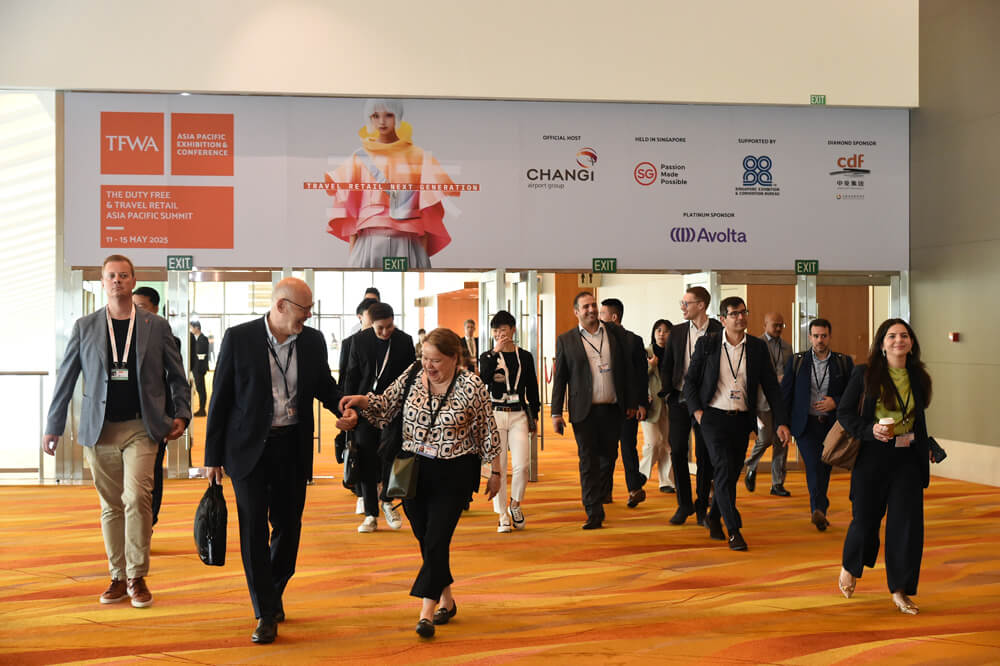
More than a third (39%) of the 3,039 visitors that attended the event were from travel retail operators, airports and landlords.

In the case of the first, China Duty Free, Avolta and Heinemann were among 16 of the top 20 global travel retailers represented.

A record 1,100 meetings were scheduled via the ONE2ONE meeting service, an increase of 20% over last year.

Tokyo Haneda, Delhi Indira Ghandi, Singapore Changi and Hong Kong International Airports were present in a strong contingent of Asia airports.

Popular workshops

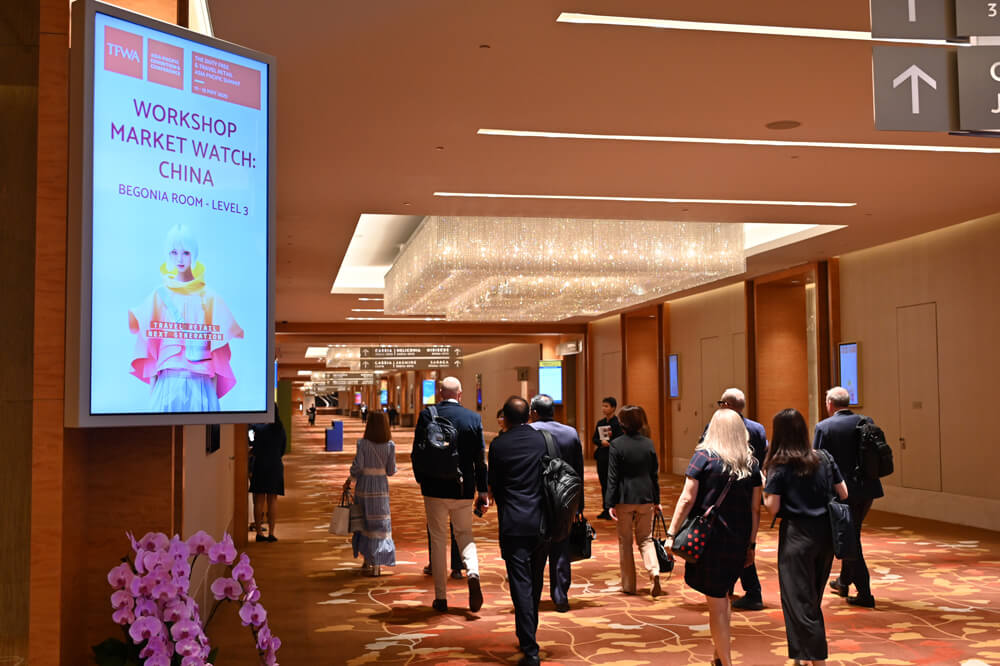
Attendance at TFWA’s regional focus workshops were up by nearly half (49%) with ‘standing room only’ in the Market Watch: China workshop, attended by 319 delegates.

Meanwhile, a total of 237 delegates attended the session on India, a ‘considerable increase’ on last year, said TFWA, after both drew 373 attendees last year.

Attendance at the TFWA workshops was up by nearly half (+49%) with standing room only at the China workshop, was attended by 319 delegates (pictured below) and the India workshop (pictured above) drawing 237 audience members. Credit: TFWA Press Office.

More than 1,500 delegates visited the after-business TFWA Asia Pacific Lounge, with TFWA adding extra seating and space and facilitating events including the Women in Travel Retail reception and an airports’ gathering.

A total of 1,200 people attended the Welcome Cocktail at the Gardens by the Bay on Sunday 11 May.

Across the exhibition floor, an upgraded design aesthetic welcomed visitors with softer and contemporary finishes.

Elsewhere, floral arrangements including live trees and atmospheric lighting in blue and green hues at the Welcome Cocktail greeted guests under the occasion’s ‘Enchanted Garden’ theme.

Credit: TFWA Press Office.

“The debut of new brands at the show and the large numbers attending both formal sessions and networking events goes to show that the region undoubtedly retains its position of huge importance to our industry,” stated TFWA President Philippe Margueritte.

No closing press conference

“With 3,039 visitors, our numbers are indeed slightly down from last year. But in a climate of uncertainty that isn’t helpful to any sector and political unrest such as the situation between India and Pakistan prevented many delegates attending from India, it’s been gratifying to welcome so many of travel retail’s senior decision makers to Singapore. Without any doubt, serious business has been done this week – people were here to make decisions and get deals done.

“As an association whose guiding principle is ‘by the trade for the trade’, we have always striven to deliver the best value to our members. We do this by regularly canvassing their views and then innovating and investing to ensure we continue to meet their changing requirements.

“For Cannes this year, we have a number of new elements planned to ensure the show is even more relevant and has even greater draw as by far the most important date in the travel retail calendar.”

The TFWA Asia Pacific Exhibition & Conference attracted a total of 3,039 visitors, slightly down on last year’s event. Credit: TFWA Press Office.

TFWA chose not to hold the closing press conference at the Asia Pacific, a customary fixture of the week that allows the trade media to engage in important dialogue with members of the Board and put questions to the association on aspects of TFWA-organised event(s) in a convivial environment.

Approached by TRBusiness, a spokesperson from TFWA told TRBusiness: “It was felt by the TFWA board that as it is unable to give final figures at the conference that the conference doesn’t provide much value to the media.

“Also while obviously we have to have the conference as late in the day as possible to give as complete a picture as possible, this is not convenient for some journalists who have to leave. However, if the media does indeed find the conference useful, its reinstatement will be considered.”

TFWA Asia Pacific 2025 attracts 3,039 visitors and 216 exhibiting brands

The TFWA Board and MD Frank Waechter inaugurate the TFWA Asia Pacific Exhibition following the traditional lion dance.

Tax Free World Association (TFWA) has announced 3,039 delegates attended the TFWA Asia Pacific Exhibition & Conference in Singapore.

Of that number, agents/distributors took the highest share (40%), followed closely by DF&TR operators (30%) and other trade visitors and guests (15%).

On the basis of that calculation, approximately 912 buyers and 273 landlords attended TFWA’s Asia Pacific summit.

By region, Asia accounted for the greatest representation of visitors (78%). Europe (12%) and the the Middle East excluding Turkey (12%) emerged in second and third position, respectively,

Perfumes & cosmetics was the most represented category on the exhibition floor (31%); followed by wines & spirits, beers and non-alcoholic beverages (30%); and confectionery, fine food and food supplements (16%).

A total of 216 exhibiting companies were present across 205 stands, with 54 new exhibitors.

This year’s TFWA Asia Pacific summit returned to the Sands Expo & Convention Centre following a 2024 event that attracted 3,126 visitors. The pre-Covid (2019) iteration gathered a record 3,367 delegates.

TRBusiness has approached TFWA for further information.

The TFWA World Exhibition & Conference will take place on 28 September – 2 October at the Palais des Festivals in Cannes.

READ MORE: India fast becoming a jewel in Asia’s travel retail crown

READ MORE: Tech, physical retail and leadership in focus at TFWA Asia Pacific

READ MORE: Tackle dwell issue at airports, urges TFWA President

READ MORE: LIVE: May issue + Leading APAC Operators report

Tech, physical retail and leadership in focus at TFWA Asia Pacific

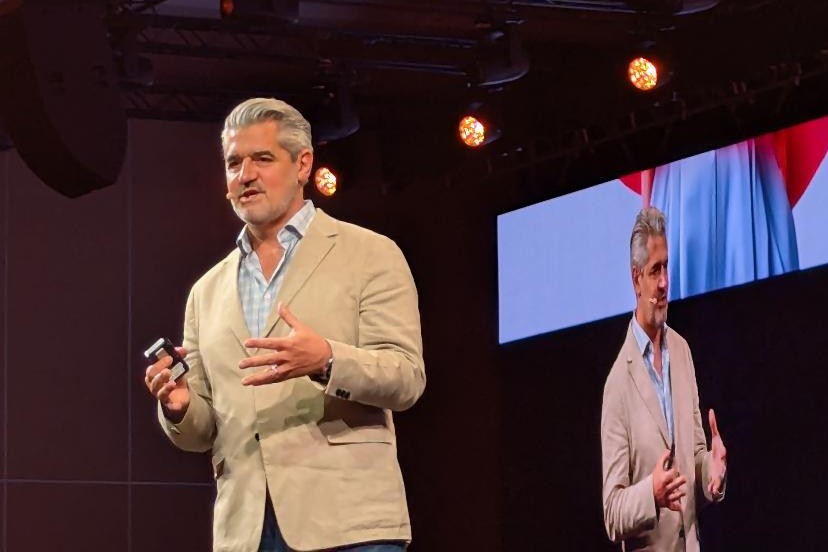
Charles Reed Anderson, Tech industry innovator and Host of Techburst Talks: “Tech can’t fix everything, but it can help.”

At the 2025 TFWA Asia Pacific Conference on Monday morning (12 May), three sessions brought travel retail delegates some insights into three diverse and relevant areas for their businesses: the latest tech developments, where retail is (or should be) heading, and the types of leadership as examined through the lens of an orchestra conductor.

As the next generation of travellers transforms consumption patterns, the duty-free and travel retail industry must adapt more than ever. Today’s consumers, driven by digital-first habits and a strong commitment to sustainability, place a high value on convenience, personalization, and immersive experiences.

The opening session featured thought leader and tech analyst Charles Reed Anderson, who looked at how the travel retail industry can leverage technology to meet evolving expectations, especially from younger generations. He started off noting that “it has been a pretty weird year so far”, referencing the Trump tariffs situation, which has led to confusion and created a lot of uncertainty.

“Tech can’t fix everything, but it can help,” he said. But he warned that tech for tech’s sake is not valuable, citing the example of the Bluetooth-enabled HAPIfork, a smart fork that is meant to “help you eat healthier”. Reed Anderson argued that sometimes it wasn’t about the tech but simply the need for more innovation. “Tech exists for human outcomes,” he emphasised.

Having moved from Singapore, where he had lived for 16 years, to Europe, he said: “I miss Changi Airport for the ability to have a consistent 30-minute door-to-door journey. He knew all the stores there and would go early to shop. In the same way, he would also go early to Tokyo Narita for a sushi meal and noted that Doha Airport was a connecting destination where he was able to relax “because the staff make you feel valued. He said: “When I relax, I shop and I eat.”
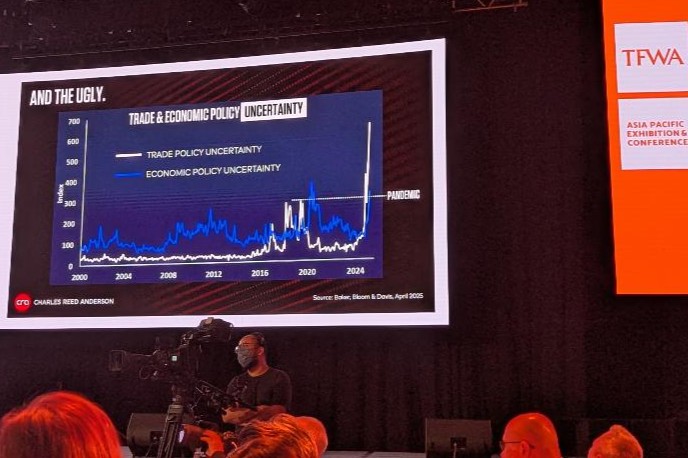
Trade policy uncertainty is off the scale.

Addressing the specifics of technology, Reed Anderson’s suggestion to the audience was to engage fully using digital signage because. When done right, it can engage, offer wayfinding, promotions, experiences and a host of other services. The tech guru noted that Doha has done something very similar to the Apple store by focusing on the environment and the people to drive certain behaviours, including shopping.

“Digital signage is something I love, but it is underutilised at many airports. Your customers like it too: 70% state that digital signage boosts travel retail.” He also added that high prices, or the perception of high prices, are the main reason for not purchasing in the channel. It means more persuasion is needed in communications.

AI step-change needed

He suggested showcasing price differences with other airports where the comparison is positive, so that the perceived value can tip the balance. “Messaging can push people along in the right direction,” he said.

On artificial intelligence (AI), which is taking off in retail, he noted that only 57% of retailers increased spend in this area last year, “when it should be 100%”. Paradoxically, 80% of companies thought AI was critical going forwards.

“What if we combine digital signage and AI?” he asked. A startup in London called Flow City has done that for the digital out-of-home (DOOH) space. From putting billboards up for two weeks, now it’s down to the minute. High upfront costs and the right placements were barriers, but Flow City takes care of many of these elements, including leveraging data.

A use case was a pharmacy retailer in London with 67 stores that wanted to boost sales of products to alleviate hay fever. They only needed to advertise on days with high pollen counts because Flow City simply added a data source that tracked pollen.

This way, brands can focus on the content, making it accessible to everyone with budgets as low as $100 to $1000s. Traditional OOH operators are also onboard because Flow City is bringing new advertisers into the ecosystem.

Reed Anderson provided other examples where AI and digital signage have been used to create marketing opportunities, including social media and leveraging influencer behaviours. He also picked up on Gen AI as having “transformed the way I work and everything I do”.

He added: “Gen AI is going to fundamentally transform our businesses and our lives in the next few years. It is the biggest thing since the Internet.” He marked the line between traditional AI and its automation of tasks and GenAI’s ability to do more, and faster.

“The goal for traditional is automation, and for Gen AI is human-machine collaboration. This is what will change our lives going forward. GenAI is like having the world’s best intern: it’s available 24/7 and never gets bored.” In travel retail, it can be used in customer service to provide quick answers on stock availability, and add-on items to bump up sales, and also for staff training.

The next thing coming down the line is Agentic AI. Regular AI automates and offers recommendations, GenAI will give you ideas of what to make for dinner, and AgenticAI contextualises that dinner by asking what the weather is like to determine a more relevant, tailored meal. It can understand complex situations to deliver shopping and other solutions to travellers.

Future-ready travel retail

Among the most visionary designers in travel retail, Ibrahim Ibrahim, Managing Director of London-based Portland Design and the author of the book Future-Ready Retail, outlined the pace of change that retail is undergoing, and which directions it should take.

He said: “In retail, we are experiencing tectonic shifts: fundamental changes in the relationships between consumers, brands, and places. We are seeing consumers’ expectations shifting faster than businesses can adapt; something we call retail Darwinism.

Ibrahim Ibrahim, Portland Design: “In retail, we are experiencing tectonic shifts: fundamental changes in the relationships between consumers, brands, and places. We are seeing consumers’ expectations shifting faster than businesses can adapt; something we call retail Darwinism.”

“The future isn’t what it used to be, and this applies to the transumer (the travelling consumer) who is a domestic consumer borrowed for a couple of hours from our High Streets. But they think and act differently in airports, and we have to understand that.” This he called ‘travelization’ and it means that brands must offer a different experience to meet travel needs.”

These needs are based on three aspects: easy-to-locate products or services for those passengers who know what they want; an offer that allows exploration of a category for shoppers who are open to trialling products; and the most important aspect: providing inspiration to convert travellers to buyers using newness, surprises, and constant change. The ‘inspire’ customer is also the least price sensitive, noted Ibrahim.

Travellers now have a mindset of asking, How can you surprise me? So, engagement is vital through the practicality, ease-of-use, or exclusivity of products. Portland does a lot of work in the domestic retail market, where up to 40% of physical shops will need to be replaced, but not by more retail.

“Other commercial offers will align and catalyse retail. We need to mix the rhythm and find what works. We call this SWELCH: shopping, working, entertainment, learning, culture, hospitality, and healthcare. They can come together to create a more vibrant place,” said Ibrahim. This, he said, was the future of hybrid retail, at airports as well.

Layered over is the fact that consumers want things fast and seamlessly. People want quick commerce, often via an app, but 74% say they have walked away from retail because they felt overwhelmed. “That is a big part of why they don’t shop in airports; the nature of the environment and its dehumanising effect. Many airports are too large and not at a human scale,” said Ibrahim.

Paradoxically, slowness and shareability are also factors in enhancing desirability. More than half of consumers say they would rather spend money on a good experience than buy a material possession. Ibrahim cited the new Netflix store and Ikea’s new space in London’s Oxford Street with its 25sqm of livestreaming space as examples of immersive retail that airports can learn from.

“This is ‘eventizing’ retail and it’s the future,” he said. “Stop thinking about making retail entertaining but making entertainment shoppable instead.” Blending is coming into its own where co-working, retail, F&B, and the night-time economy can work as one. At airports, lounges can be integrated with retail and F&B for a “dip in, dip out” culture. The business traveller is not the only worker at an airport, said Ibrahim.

Wellness and ethics are also playing a role in consumer choices, with Accenture data showing that 40% of consumers have stopped using a brand because of the way it behaves. Purpose-driven products and brands like Patagonia are in demand and will be the winners, according to Ibrahim.

He added: “Retail is, and always has been, about four things: recruitment, transaction, fulfilment and retention.” But with the middle two largely going online, brands in the physical space will increasingly behave like media platforms (with an abundance of data to go with it), and that is a big challenge.

How do you masterplan a commercial offer in an airport in the next decade, where part is media and part is transactional? What’s the proportion? “This is what we’re grappling with in domestic shopping centres, and these challenges will find their way to airports,” said Ibrahim.

Leadership learnings from an orchestra conductor

The final session of the day involved an orchestra on the stage so that conductor and leadership expert Jason Lai could draw parallels between orchestrating a symphony and leadership roles in business environments such as travel retail.

Jason Lai, Principal Conductor, Yong Siew Toh Conservatory: “We sometimes forget we have real estate below our necks.”

He posed the question: Why do we need conductors? before bringing to the stage several audience members – including Tab Musleh, Qatar Duty Free’s Senior Vice President – to explain how different conducting techniques impact an orchestra.

In what was a very interactive session with the audience, Lai offered up insights into the ways conducting has evolved from a command-and-control mentality to a coaching-and-mentoring approach over the years. He said that as music became more complex music it needed overseeing, just like managements in growing corporations. More responsibility given to the conductors meant more power and control.

The key was to learn how leadership styles – from passion, energy, and even aggression – could be harnessed to get the best out of orchestras or business teams. “Conductors who value their teams, think about how they sound and what kind of performance to give, to get audiences to come back for more,” said Lai. In the same way, a CEO has to commit to a moment. Otherwise, the team doesn’t know where to go or how to react.”

“This is all about inter-personal and intra-personal relationships with the orchestra… the interpretation and understanding of their performances. It is also about the relationship with ourselves and listening to our bodies to be more harmonious. We sometimes forget we have real estate below our necks,” he added, referring to engagement with all aspects of oneself.


Tackle dwell issue at airports, urges TFWA President

TFWA President Philippe Margueritte has challenged travel retail stakeholders to address dwell time problems at Asia Pacific airports to offset the diminishing impact on commercial revenues.

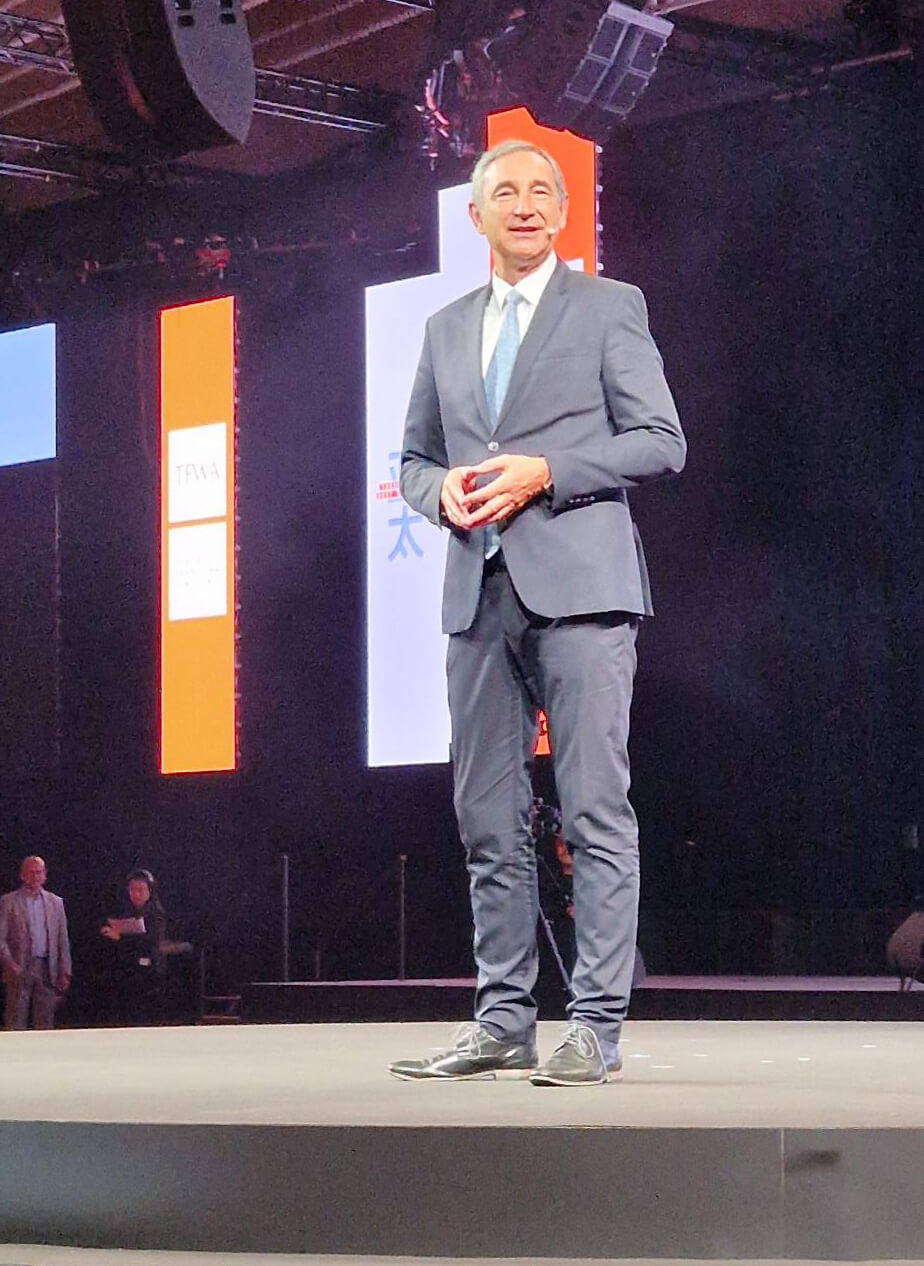
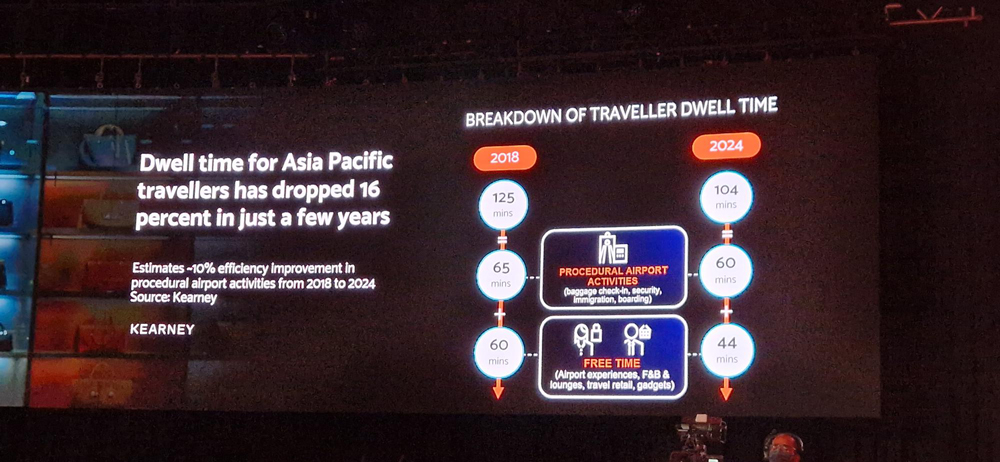
Making his inaugural state of the industry address this morning (12 May), the former Coty leader pointed to total airside dwell time at airports in Asia Pacific declining by 16% in recent years in a worrying sign for the region’s retail operators and brands.

Referencing the data point from Kearney, Margueritte said total airside dwell time was 125 minutes in 2018, with travellers spending an average of 65 minutes in processual activities such as check-in, security, immigration and boarding, leaving 60 mins of free time to engage in airport experiences, including duty free shopping.

In 2024, the portion of ‘free time’ in airside terminals amounted to 44 mins – a decline of -16 minutes (-26%).

“We are making travellers wait far too long to get airside at airports, many of them face lengthy queues for check-in, immigration, security and boarding procedures and things are not getting any better,” he stressed.

“As travellers are no longer choosing to arrive two hours before their flights, this represents 26% less shopping dwell time which translates directly into 13% less spend per passenger. Of course, this is affecting non-aeronautical revenues. This is something we are all very keen to grow and not reduce.

Philippe Margueritte, President, TFWA.

Shifting priorities

“There is little point in offering fantastic retail experiences if passengers are rushing past the airport shop to catch their plane.

“It is in our own financial interest, whether we work for airport authorities, retailers to brands, to invest in seamless passenger processing at airports,” he continued, referencing the typically seamless curb-to-gate experience that passengers experience at Singapore Changi Airport.

In a dynamic performance on stage, Margueritte spoke of his excitement for the globe’s largest regional revenue driver.

“It’s rarely been a better time for all stakeholders to join forces and optimise the shopping journey of our travellers, especially in APAC,” he said.

Addressing the general shifts in buying demography in travel retail, he said: “Traditional airport brick and mortar stores won’t work so well for this new generation.

“They see shopping as more than purely transactional; it needs to be an experience, something to enjoy, share that really stimulates the sense and offers excitement or newness.”

He went on to explain that while footfall among Gen-Z passengers is climbing, conversion rates and average spend, by comparison, is significantly lower.

“Obviously this group is not finding what it wants in our stores and are not attractive enough by what they see. However, it is good to see how some operators are trying to inject more excitement, developing hybrid retail concepts at the airports, or example.”

Promising load factors

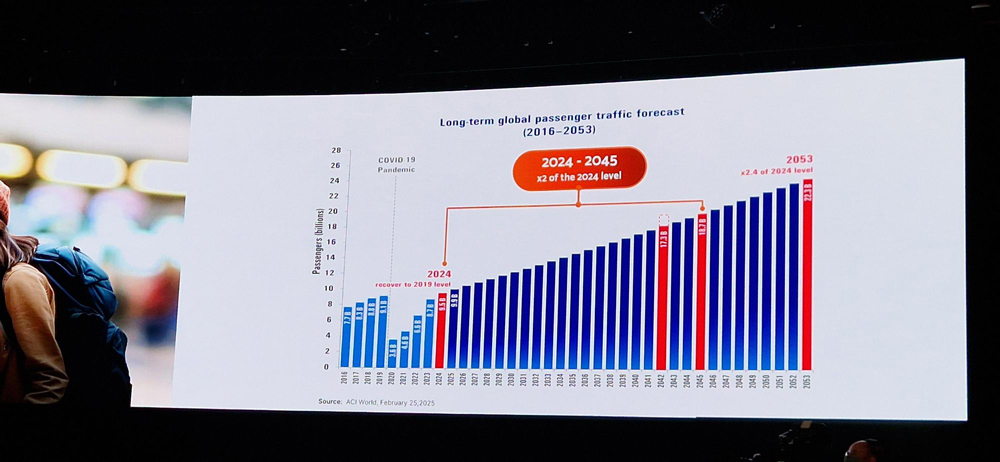
The future prognosis for global passenger traffic remains upbeat, with just shy of 10 billion air travellers expected in 2025 (having recorded 9.5bn in 2024), rising to 18.7bn by 2045, according to ACI World.

He pointed to load factors for the Asia Pacific region’s carriers reaching 83.5% in 2024 year-on-year, according to IATA, representing huge potential for the number of potential shoppers.

“As we know, we seem to be living in an uncertain world where international regulations can change everyday. I believe it has rarely been a better time for all stakeholders in the industry to join forces and optimise the shopping journey of our travellers.

“In Asia Pacific, a combination of factors – economic, demographic and technology – is aligning to help us maximise the appeal of our brands and shops for new kinds of travellers.”

China and India, two economic superpowers, have the “critical mass to drive consumption for decades”, he continued. This is being spurred by rising numbers of middle class in China.

Indeed, global Chinese passenger numbers are forecast to reach almost 200m by 2028 according to m1nd-set.

Meanwhile, 18.9m international travellers were carried by Chinese carriers in 2024 – up 34% year-on-year, said Margueritte, quoting figures from the Civil Aviation Administration of China (CAAC).

He claimed that F&B is currently the fastest growing commercial activity in Asia Pacific’s airports, combining high-quality meals in a quick-service format.

“Introducing a retail element into F&B or vice-versa is a logical development,” he said. “It plays to the desire for multi-sensory experiences, which is why we are more of this kind of outlets at airports.”

Elsewhere, the President referenced the growing importance of sustainability among global travellers with 75% stating they want to travel more sustainably in the coming 12 months, while 55% indicated a willingness to pay more to support sustainable travel options [source: World Travel & Tourism Council].

More to follow…

Carriers react after Lufthansa ends long-haul retail

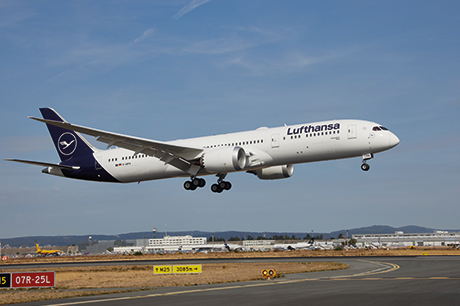
Credit: Oliver Roesler/Lufthansa.

UPDATED: Airlines in the Lufthansa Group portfolio have commented on the future direction of their inflight retail programmes after it emerged this week the Lufthansa brand is to end inflight duty free sales on long-haul routes in the coming months.

As reported, categories such as cosmetics, fragrances and fashion, available via its ‘Inflight Shopping’ catalogue under the Worldshop platform, will be unavailable across the entire Lufthansa network from September.

Until then, Worldshop’s merchandise categories can be accessed online ‘as usual’, with ‘no changes’, a Lufthansa Group spokesperson told this publication.

Onboard retail on Lufthansa’s short-haul routes have already ceased.

A spokesperson for the German flag carrier said: “We only had good business on selected routes, so we decided – also because of the economic situation – to stop onboard sales.”

The decision affects the core Lufthansa brand only, with other airlines in the Lufthansa Group’s portfolio, which includes Swiss International Air Lines (SWISS), Austrian Airlines, Brussels Airlines and Eurowings, responsible for the future direction of their respective inflight businesses.

SWISS told this publication that it is continuing to sell products on board and is ‘satisfied’ with the current business, though it declined to offer specific figures.

It added that it continues to update its product ranges, with cosmetics and accessories ‘particularly popular’.

One inflight source told TRBusiness: “Overall, it’s very sad information. We have been aware [of the decision] for some time.”

Source: Lufthansa Group.

‘Notable impact’

Austrian Airlines says it offers in-flight sales on both long-haul and short-haul routes and as things stand there are no plans to discontinue its inflight sales service.

Brussels Airlines told this publication, it has no intention of ceasing inflight duty free sales on long-haul flights to and from sub-Saharan Africa.

Hanse Travel Retail sources and distributes multiple product categories into inflight retail, among other channels, and has enjoyed a partnership with the airline for more than a decade.

Jakob Barthe, Sales Director, told TRBusiness: “Lufthansa has been one of our longest-standing partners and was among our very first customers when we launched over 16 years ago. Inflight retail has always been at the heart of our business, and with over 25 product listings currently onboard, this change will undoubtedly have a notable impact. That said, we’re actively exploring opportunities to mitigate this and are focusing on growth in other areas of our customer portfolio.

“We were informed [of the decision] well in advance and appreciate the transparent communication from the Lufthansa Group. We’re now working closely with all relevant partners to ensure a smooth phase-out, including managing inventory and minimising returns. At this point, there have been no changes.”

Lufthansa turnaround programme

The development comes in a week that Lufthansa Group posted a 10% year-on-year rise in revenue in the first quarter of 2025 to €8.1 billion/$8.7 billion and an operating loss (adjusted EBIT) of -€722m – an improvement on the -€849m posted in the previous year.

Despite the Group experiencing a period of ‘high volatility’, according to Deutsche Lufthansa AG Chief Financial Officer Till Streichert, its core brand Lufthansa has enjoyed its best operational start to a year in the past decade.

“In this environment, it is good news that we are making progress as planned on issues within our control, such as our turnaround programme at Lufthansa Airlines,” he stated. “At the same time, we are keeping an eye on market risks. We are well prepared to respond should these materialise.

“However, it is not just about risks, but also about positive factors that are already supporting our earnings performance, such as favourable fuel prices and exchange rates. These can help to offset the financial effects of any changes in demand. Overall, we therefore remain confident that we will be able to achieve a full-year result significantly above the previous year’s level.”

While global demand for air travel remains robust and a strong summer is expected, the Group noted that macroeconomic uncertainties, notably trade tensions between the US, the EU and other regions, are making it difficult to accurately forecast the coming quarters, with visibility for the third quarter remaining ‘limited’.

This is an updated version of an article that first appeared on 30 April.

Lead image credit: Oliver Roesler/Lufthansa