The often heavy reliance on cabin crew to sell duty free onboard means concessionaires and airlines should work closer to equally absorb the associated impacts and rewards, Dutyfly Solutions CEO Louis Dambrine has told TRBusiness.
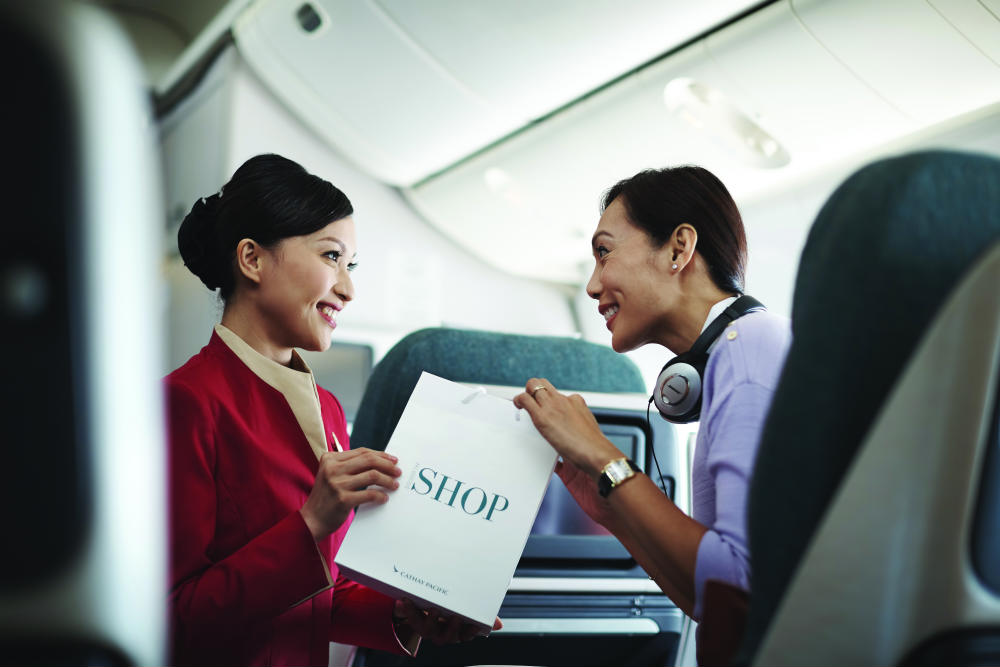
In an exclusive interview available in the February issue [click here to subscribe] Dambrine stresses that in most cases, more than 95% of the inflight concessionaire’s sales are triggered through crew engagement with passengers.
Asked what a properly curated – and profitable – retail partnership looks like, Dambrine admits the ‘ideal’ model is hard to identify, but stressed: “The global performance of inflight is highly dependent on the crew’s motivation and dedication, meaning the risks and successes must be shared between the airline and inflight retailer.
“Imagine one airline decides to reduce the amount of crew onboard, they will obviously have less time to do the boutique business. This impact of these decisions need to be shared somehow.”

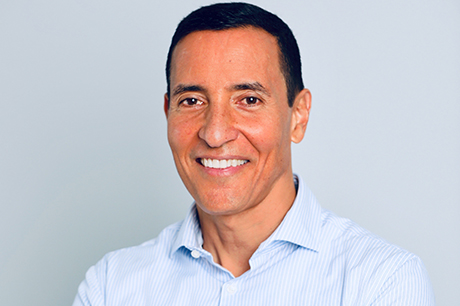
Louis Dambrine, CEO, Dutyfly Solutions.
GROUND TO AIR
In a wide-ranging discussion almost one year since he replaced Philippe Le Goff as Chief Executive of the wholly-owned subsidiary of Lagardère Travel Retail and Servair, Dambrine says the switch from the former’s Singapore and Malaysia operations to inflight has represented ‘a big change’.
“The biggest impact to me is obviously when you are managing ground retail stores you are managing your own salesforce, but in inflight, it is crew selling the products for you. The way you can influence their motivation to sell products is entirely different.
“You have less reactivity, meaning when you operate the retail store you can run a promotion one day and stop it the next and take actions on a day-to-day basis. In inflight, due to the complexity of including paper catalogues it is much slower to take promotional actions and this is a big change for me.”
Dutyfly Solutions currently operates concession programmes for 10 airlines: Air France, XL Airways, Alitalia, Luxair, Iberia, Air Tahiti Nui, Transavia, Czech Airlines, Blue Panorama and Air Burkina.
Reflecting on 2018, Dambrine notes the two top performers across the spread of product categories were Transavia and Luxair.
That success owes much to a tightened focus on differentiating the merchandise assortment and introducing new products and services customised to particular airlines or routes [click here for a video interview].
One example is the introduction onboard XL Airways of ‘Sky Kids’ glasses for children, which allows them to view films in 3D.
Preorder, while occupying a mere 2-3% share of Dutyfly Solutions’ business at present, has plenty of scope to grow.
Chiefly, this relates to better global inflight connectivity that will ‘somehow force retailers like us as well as the airlines to communicate directly with passengers on good deals and offers’, commented Dambrine.
However, while growth in preorder is in view Dambrine does not expect this to result in a scenario that suppresses crew engagement.
“Part of the inflight business is dependent on people who just have no time to shop at the airport or forget something,” he said. “Even those who develop the best pre-order business you can dream of, at the end of the day you still need to be able to serve passengers who are in this situation and here you need the crew.”
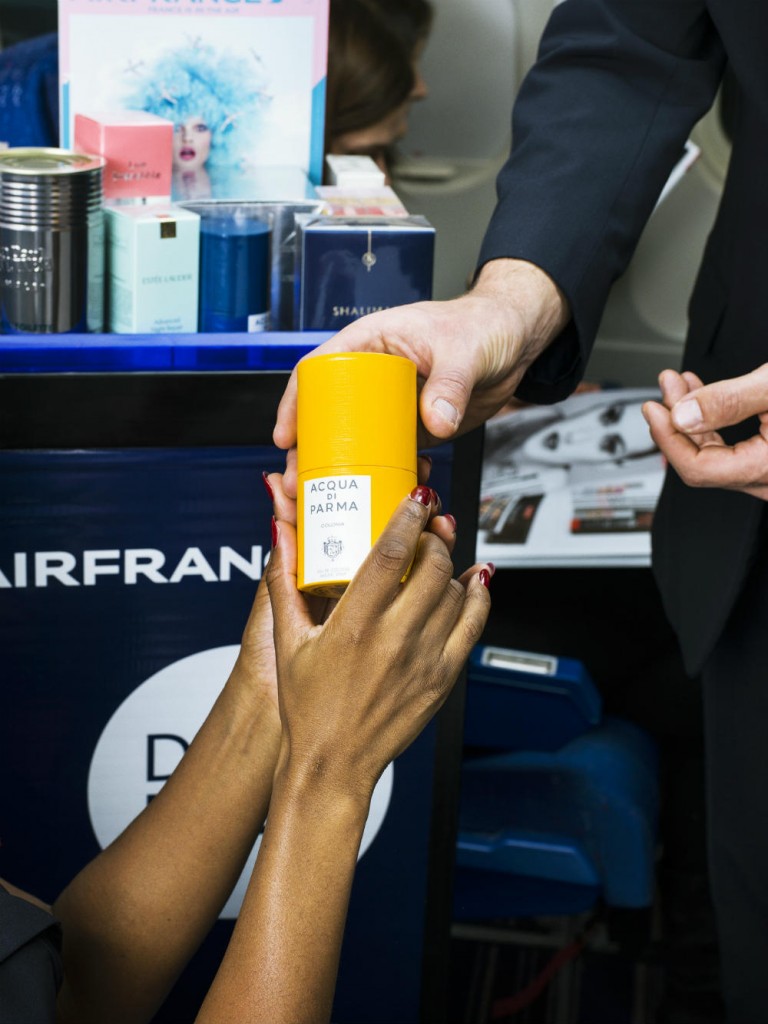
Dutyfly Solutions says crew engagement remain an important fulcrum in raising its inflight duty free revenues.
LISTING FEES AND RETURNS
Asked to comment on supplier listing fee levels, an issue that frequently splits opinion, Dambrine said: “To me, they should not always be compared to the sales performance onboard. You should also consider it somehow as advertising.
“When you are in the catalogue as a brand, even though you might not transform your sales inflight, it is still an excellent communication medium.
“On Air France I think more than 90% of passengers will go through the catalogue at one moment in time during their journey, so they will see your brand or product.
“They may not buy onboard for different reasons, but on a 10-hour flight they have a couple of minutes where they see the brand or product.”
Flagging the challenge of unsold stock and returns, another contentious issue, Dambrine was clear: “It is part of the business model. It depends from one airline to the next. In order to have the opportunity to sell products inflight, you need to have them in every single trolley.
“Obviously there is a moment when there is unsold stock at the end of the programme. The big answer to that – and we see it with many different skus – is the bestsellers remain onboard for many years and the level of [stock] return is extremely low compared to the level of sales they have achieved over the years.
“The issue is more on slow movers. If it is to remain in the catalogue for six months then yes – the unsold [stock] is relatively high.”
To read the full interview, watch out for the February print issue.
Top and main image courtesy of Dutyfly Solutions/iStock.

 Trbusiness. The travel retail Trbusiness. The magazine for global retail and duty free professionals.