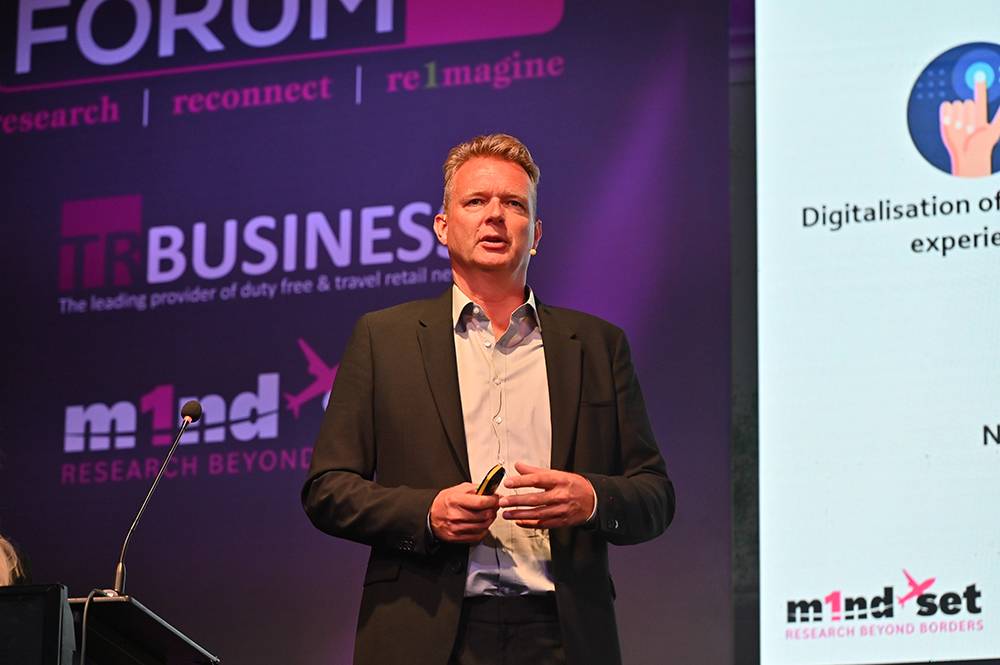
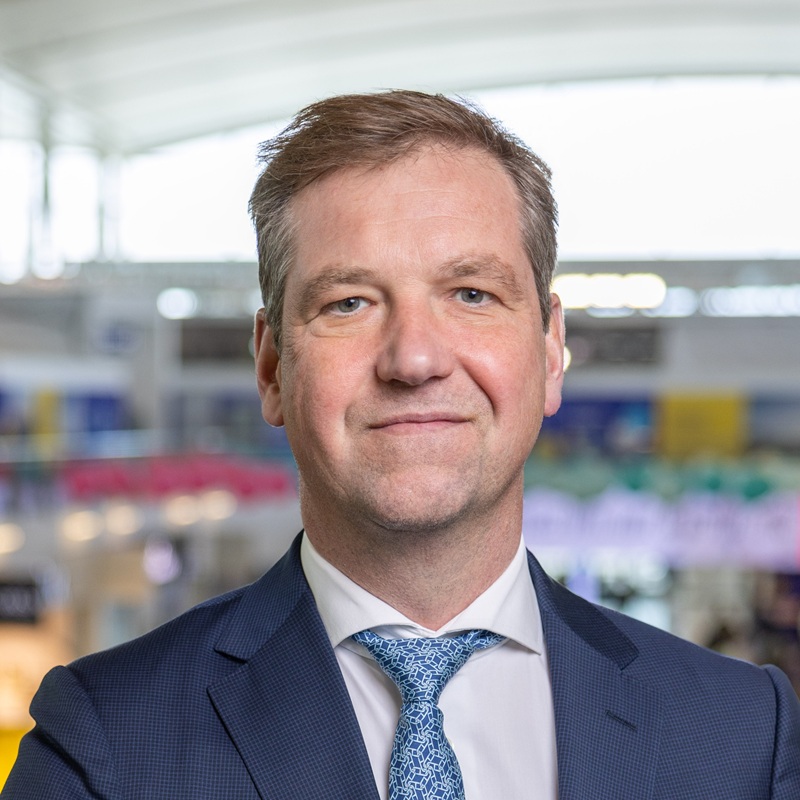
Steve Johnson, President and CEO, North America, Avolta.
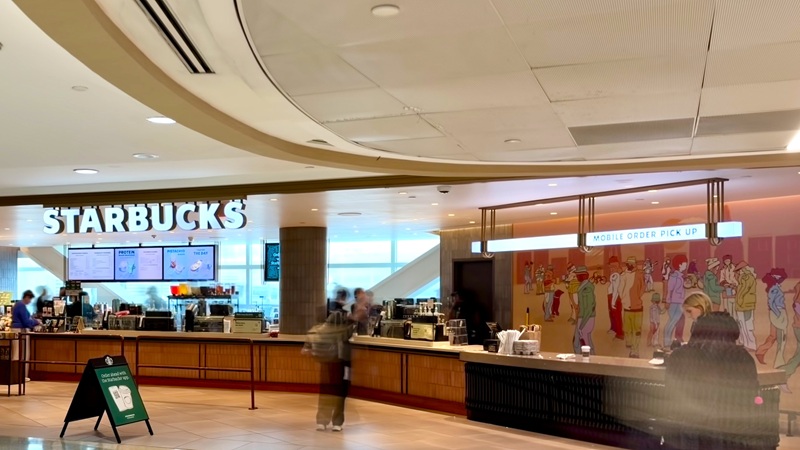
Avolta has been awarded a new 15-year food & beverage (F&B) contract at Jacksonville International Airport (JAX) in Florida, the US, further expanding its F&B presence at the airport with a 500 sqm food hall.
The food hall will include four F&B outlets, with the line-up blending local Northeast Florida concepts with select national brands.
“Jacksonville Aviation Authority has transformed the passenger experience at JAX in recent years, and we are proud to be a part of that journey,” said Steve Johnson, President and CEO, North America, Avolta.
“This new contract is a strong example of local partnership to deliver great dining experiences that reflect the warm, welcoming spirit of Jacksonville and make each journey memorable.”
The travel retail powerhouse says the win reflects its strategy of ‘adapting food & beverage concepts to each airport’s passenger profile and commercial objectives, while partnering with local operators to bring a stronger “sense of place” into the terminal’.
“The dining concepts in the Oak & Ocean Food Hall will offer our travellers a mixture of the national food chains they know and love with some local favourites from the Northeast Florida region,” added JAA CEO Mark VanLoh.
“These dining options combined with a beautiful new concourse offer a welcoming atmosphere to passengers once they pass through security.
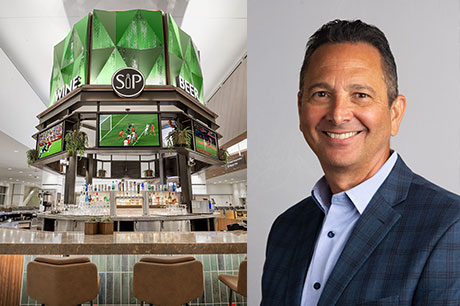
Left: Sip at San Francisco International Airport. Right: Carlos Bernal, Chair of the Airport Restaurant & Retail Association (ARRA) Board of Directors and Areas USA CEO.
Restaurants and retailers in the US are underscoring the increasingly valuable role they play in shaping the airport passenger experience, says ARRA Chair Carlos Bernal. He tells TRBusiness about the key dynamics impacting the business landscape and why “the traditional airport concession model has to evolve”.
Inflationary costs, pricing pressures and the drive for localisation are highlighting how the Minimum Annual Guarantee (MAG) model needs a revisit, according to Carlos Bernal, Chair of the Airport Restaurant & Retail Association (ARRA) Board of Directors and Areas USA CEO – and a key factor playing into this is dining outlets and shops demonstrating their value as amenities that enhance the overall airport experience for travellers.
Speaking to TRBusiness via video call, Bernal brought us up to date on the health of the airport restaurant and retail business in the country, relaying: “Compared to 2020/2021 when we were in the depths of Covid, we have come a long way. Travel is back and the industry is growing, although not all airports are created equal – so even though we’re back, I wouldn’t say it’s broad based.”
While he describes concession revenue across the ARRA membership pool as generally “pretty flat”, spend per passenger (SPP) is “holding quite well”, he affirmed.
“The industry is changing in terms of food & beverage versus retail, so that has been one of the key points for us in our business,” Bernal explained. “And of course we have inflationary pricing that goes up so although revenue is flat to slightly down, spend is up due to a convergence of a bunch of different factors.”
He continued: “So I think the trends of the industry are overall positive in spite of the traffic and geopolitics – those are not structural things, necessarily. In essence, 2025 was somewhat a bumpy year although we have some optimism going into 2026 for sure.”
Labour and pricing challenges
Bernal was elected Chair of ARRA’s Board of Directors for 2026 and 2027 in February, succeeding Bryan Loden of Avolta’s HMSHost (who continues to serve as Immediate Past Chair). His more than two decades’ experience in airport concessions and travel retail makes him ideally placed to recognise key challenges and advocate for solutions to smooth the way forward. Right now, the rising cost of labour is the “number one” difficulty on the radar.
Image Credit: Areas USA
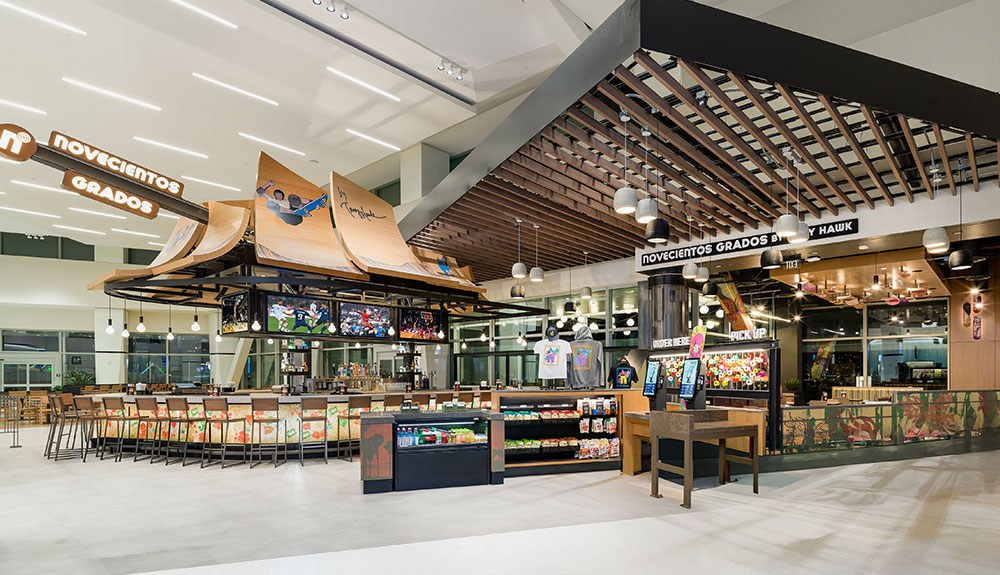
Novecientos Grados by Tony Hawk at San Francisco International Airport.
“Here in the US, we’ve seen extraordinary wage increases coming out of Covid, and labour has quickly become the number one concern for airport concessionaires. In many cities, wage ordinances are being introduced that specifically impact concessionaires, airlines and hotels. We absolutely support the goal of ensuring employees earn a fair, living wage, but these rising labour costs fundamentally change the economics of operating in an airport environment.
“As a result, the traditional airport concession model has to evolve. You can’t continue to rely on the same framework that existed 30 years ago, particularly with structures like MAGs, because in today’s cost environment, that approach simply isn’t sustainable.”
Bernal says the MAG model hasn’t changed for the “vast majority” (approx. 90%) of concessions contracts, despite the rising cost of labour and construction, which he relayed is about 20-30% higher than before the pandemic.
Add to that the fact that raising prices of menu items and products to keep pace is no simple task. US airport retailers and restaurateurs often follow a ‘street pricing’ policy, meaning prices are typically capped at 10-15% above local market prices to prevent extreme markups.
“To get a pricing change approved in a US airport, it can take a whole team just to manage the process. If you want to raise the price of something as simple as a burger, you have to go out into the local market, find five or six comparable burgers, document the prices, and then bring that back to the airport to justify even a small increase, sometimes as little as 25 cents. It ends up taking a surprising amount of time and manpower just to make a minor pricing adjustment. Concessionaires are really the only businesses in the airport environment that operate under these types of pricing restrictions. Airlines, hotels, rental cars and parking operators all have the ability to adjust their pricing based on market conditions.
“In reality, the natural regulator should be the marketplace within the terminal itself. With multiple operators and brands competing for the same traveller, no one is going to set prices at a level that discourages customers from buying. There needs to be a level of trust in the system that concessionaires will act responsibly and ultimately do the right thing for the customer.”
With regards to build costs, Bernal suggests that airports consider creating a more plug-and-go infrastructure within commercial areas that would help ease initial investment pressures on tenants.
“When airports are building a new terminal, one question is whether they could take on more of the core infrastructure upfront so tenants can focus on the actual fit-out of their space. Instead of worrying about where the electrical connections are, roof penetrations, sewer lines, or grease traps will go, concessionaires could concentrate on building out the concept and the customer experience. So it raises the question as to why should the concessionaire be responsible for making the initial infrastructure investment in a space that will likely be reused and recycled for another 30 years?”
Image Credit: Areas USA
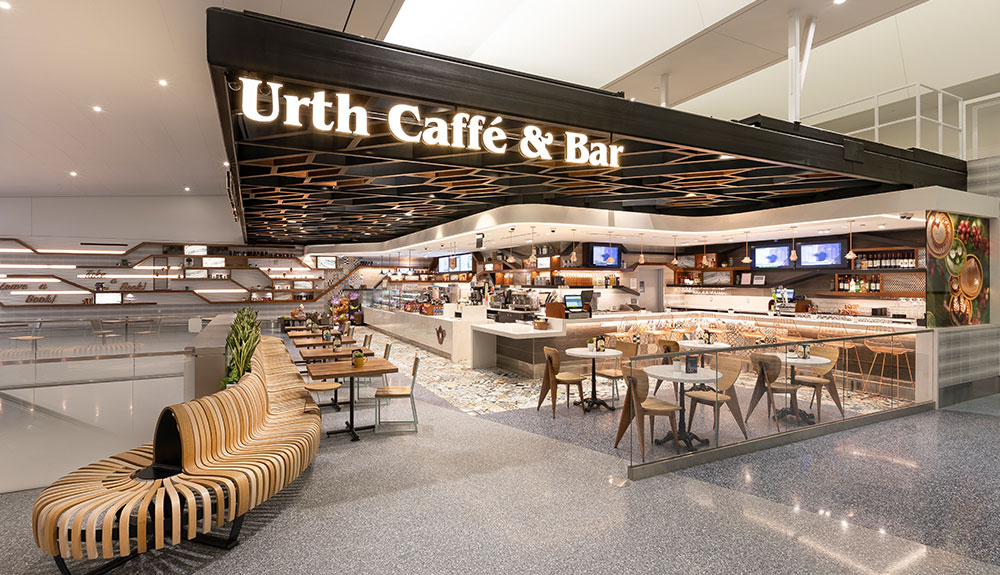
Urth Café & Bar at LAX.
America’s next top model
Circling back from all of that is the much-talked-about push to revamp the MAG model. Bernal makes a strong case for it: “I think the model needs to be revisited, quite frankly. We have to ask ourselves, ‘Are concessionaires simply rent payers there to maximise economic return for the airport, or are we part of the amenity that shapes the passenger experience?’ If you view it as an amenity, then the focus shifts to creating a sense of place, making the airport a front door and a window into the local community. That’s a very different approach from simply trying to drive the highest rents possible to generate maximum income.”
It’s the “biggest challenge out there”, he underscored, adding on the rationale for maximising rent income: “For US airports, retail and F&B revenue, not counting duty-free, is about 3-4% of their overall non-aeronautical revenue picture so it’s not a material number for airports.”
In favour of being seen more as amenities, he points to the new $3.8 billion Terminal 1 at San Diego International Airport (SAN) as a case in point, which is brimming with hyper-local concepts.
“Hyper-local is what Areas USA delivered, and the other companies involved – they all did a phenomenal job,” he said. “What the airport did differently was they didn’t tell companies what to bid in rent. Instead, they asked prospective tenants to propose the rent that would actually allow them to bring their projects to life. That was a first for us. Having that flexibility meant we could focus on creating the best possible local dining experience. We submitted what we felt was a fair bid that reflected that approach and allowed us to invest in the concept, and we were fortunate enough to win. In the end, it meant we could deliver the experience we promised for passengers. I’d like to think we’ll start seeing more airports take that kind of approach.”
World Cup fever
Looking ahead, the 2026 FIFA World Cup taking place from 11 June to 19 July, with games played across 16 host cities in Canada, Mexico and the US, is set to give international tourism a kick. Plus, there’s a roster of exciting new developments in the pipeline.
Image Credit: Areas USA
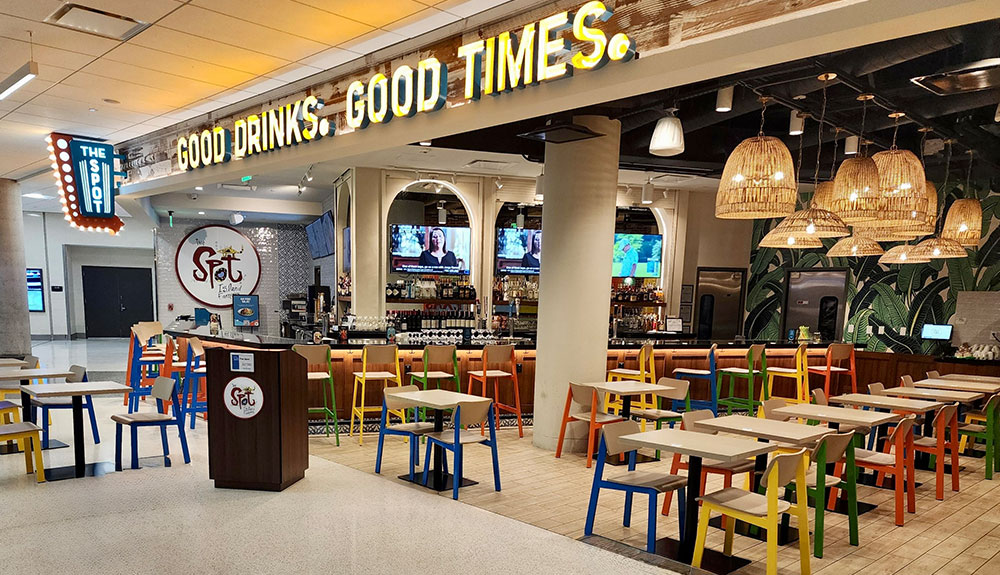
The Spot – a local concept offering a casual full-service restaurant service at William P. Hobby Airport in Houston.
“We have so much infrastructure and construction happening at US airports, which gives a boost to the whole economy,” he said. “JFK’s new terminals, the new Airside D terminal coming online at Tampa International Airport, further expansion at SAN, the new concourse and redevelopment of terminals at Los Angeles International Airport ahead of the 2028 Olympics and the new Terminal F at Dallas Fort Worth International Airport – and those are just the ones off the top of my head. This is going to be happening for the next few years so that’s going to help.”
Add to that the easing of supply chain disruptions for US airlines and the future is looking bright.
“We are all looking for a unique, different and interesting experience to have over an hour-and-a-half at the airport,” summarised Bernal. “I don’t want to be sitting at the gate hold. I want to be sitting sown somewhere having a nice cocktail, something to eat, a glass of wine. In retail, travellers want shops that are very well curated with local products – you have to offer something that isn’t readily available, otherwise shoppers can just buy online. For me, I think that’s where it’s going. Certainly, convenience retail is growing, in terms of travel essentials – and they have just as much F&B now as they do books, magazines and travel essentials so I think that’s another growth area.”
Ultimately, he believes it’s a “tremendous time” for local and regional level restaurant companies and retailers to make inroads into airports, with the push for localisation and companies like Areas, which is the largest privately held travel hospitality company in the US (following the acquisition of Delaware North’s Travel Hospitality Services in 2025).
“It’s a tough industry and we have to work together,” he said. “It takes the policymakers and municipalities to enhance policies that make sense and don’t create more burdens than opportunities for us. For all of us to work together in the spirit of partnership – brands, airports, ARRA and unions – and give everyone a seat at the table, we’ll be able to come up with some creative approaches, all with a goal to provide the best passenger experience we possibly can.”
Clara Susset: “Some 86% of travellers who currently visit only retail say they would be more likely to also visit F&B if the two were better connected or more visible.”
India is one of the few bright spots for the global travel retail channel in terms of the country’s increasing passenger traffic (5-7% in FY206, year-on-year). At the APTRA India conference last week, both travel retail research agency m1nd-set and global drinks analyst IWSR offered further specific examples of the duty-free opportunities.
M1nd-set’s passenger survey of Indian travellers indicated that travel retailers were missing out on revenue by not merging their retail and dining offers more. Only 26% of those travellers visit both retail and F&B during the same airport journey, yet these travellers – who spend nearly two hours airside and feel no time pressure – “are a highly convertible audience”, said Clara Susset, m1nd-set’s COO.
Image Credit: m1nd-set
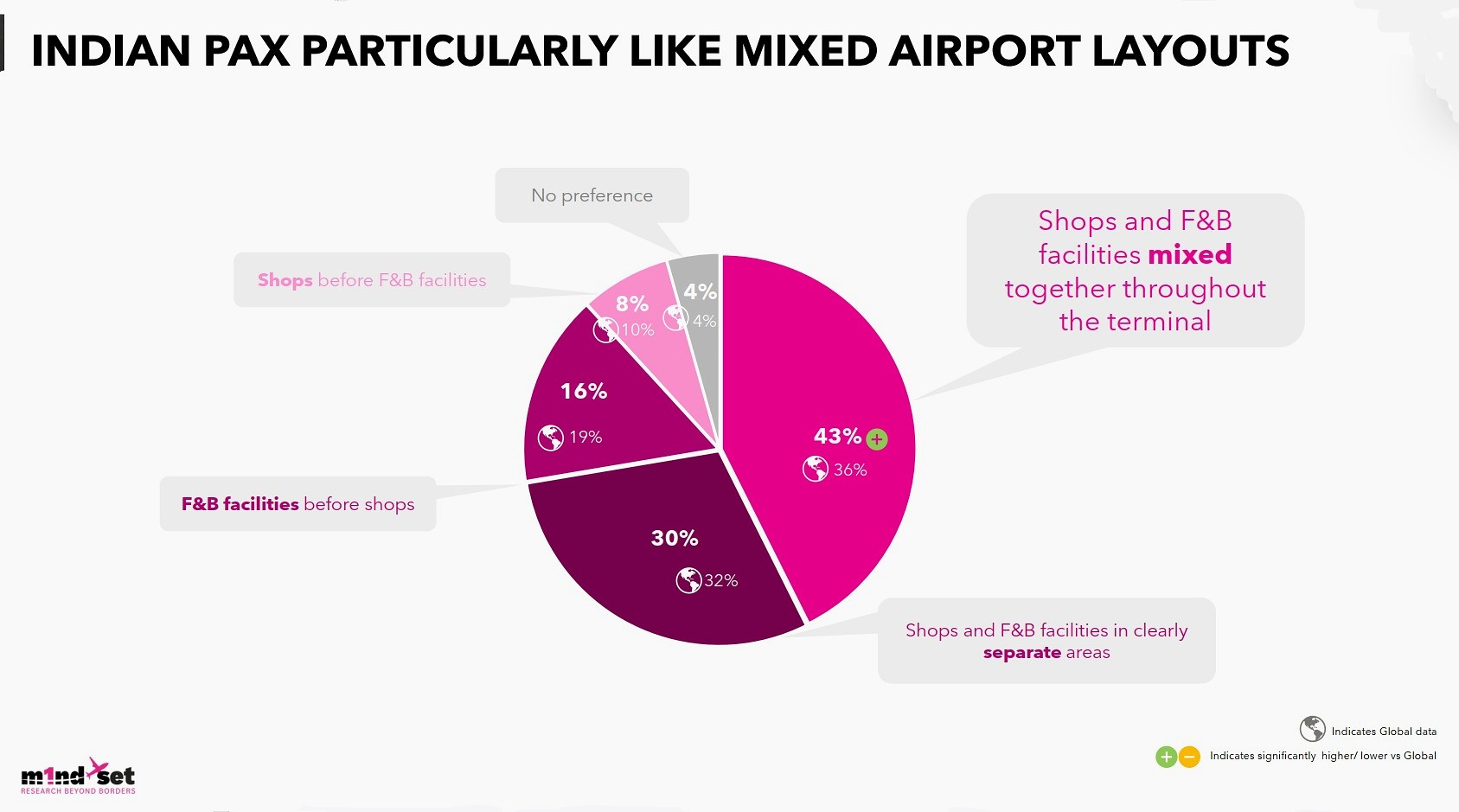
Indians have a preference for mixed retail.
The agency argues that better layouts and proximity are the key drivers of dual visits – and the primary barrier when absent. Susset said: “Some 86% of travellers who currently visit only retail say they would be more likely to also visit F&B if the two were better connected or more visible. Many travellers stay close to the gate or follow the most direct route, engaging only with what appears in their path.”
M1nd-set noted that Indian travellers show a particularly strong preference for mixed layouts, making integrated commercial design a strategic priority. Hybrid concepts are therefore a potential bridge to higher revenue, with chocolate, fashion or local products likely to appeal the most. “Integrating F&B into the retail environment (and vice-versa) creates a seamless reason to engage with both categories in one place,” suggested Susset.
The alcohol effect
While alcohol has been on a generally downward trajectory in domestic and duty-free channels, India is a major market exception. In her presentation at the APTRA Conference, IWSR’s Charlotte Reid said that “India was rewriting the global beverage alcohol story”.
Image Credit: IWSR
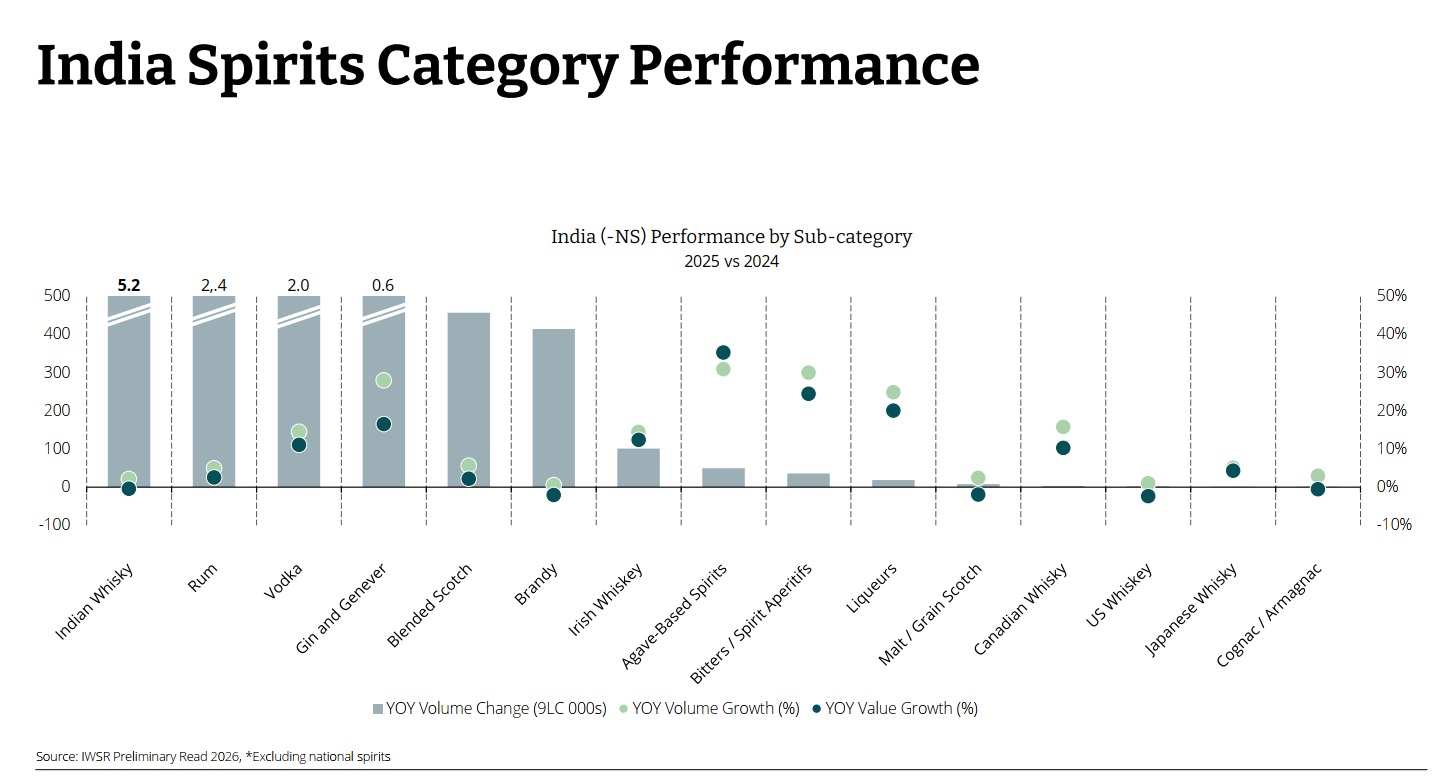
Segment performance in the Indian spirits market.
Data from the analyst showed the market to be a stand-out performer for absolute volume growth in international spirits, well ahead of the number two country, the Philippines, in 2025. “The global travel retail (GTR) channel delivered exceptional growth to the category,” said Reid, referring to last year.
Moreover, compared to key drinks markets globally, India is seeing the best growth in the premium and super-premium-and-above segments, well above the average and just the segments that duty-free operators prefer to focus on. And while Indians are well known for their love of whisky, consumers are also opting for rum, vodka, brandy and wine, particularly younger generations like Millennials and Gen Z, creating an opportunity to diversify the offer in the future.
The new partnership aims to evolve traditional airport lounge operations.
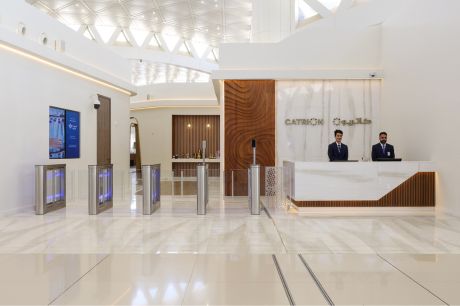
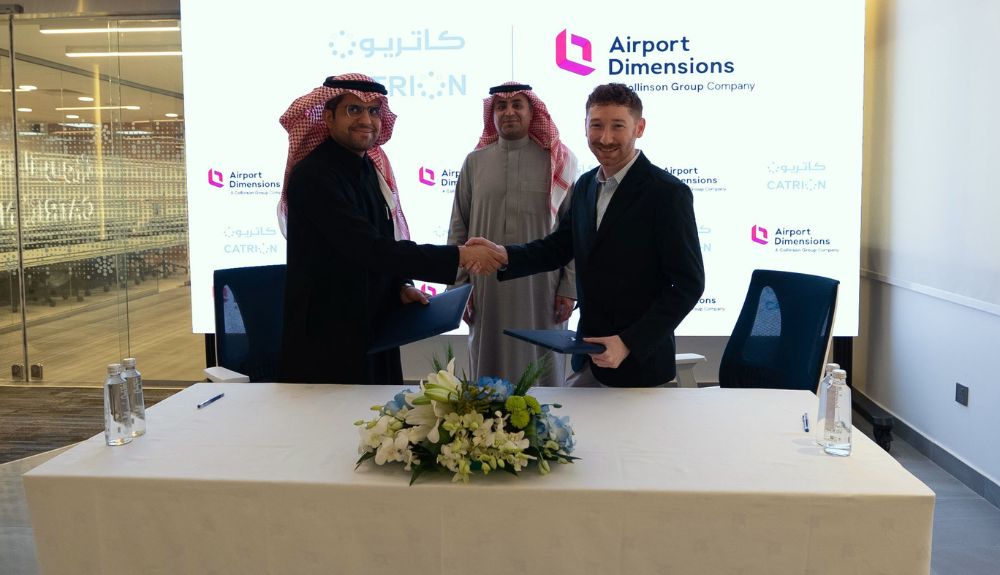
Saudi hospitality and catering company Catrion has partnered with Airport Dimensions to enhance airport hospitality services across Saudi Arabia.
The collaboration also supports the continued growth of Saudi Arabia’s aviation sector, in line with the Kingdom’s Vision 2030 initiative.
Through this new partnership, Catrion aims to go beyond traditional lounge operations by introducing globally proven hospitality concepts, digital solutions, and service offerings from leading international airports.
The objective is to deliver more integrated, scalable and commercially compelling solutions for airlines, airports and travel partners, strengthening Catrion’s competitiveness in delivering large-scale aviation and hospitality projects.
Both companies will strive to deliver integrated hospitality solutions that elevate the passenger journey, while unlocking new commercial opportunities.
A key component of the partnership is Airport Dimensions’ Connecta platform, designed to deliver a seamless, personalised and data-driven experience – both in the lounge and across the entire passenger journey.
Image Credit: Airport Dimensions
Pictured left to right: Catrion EVP Inflight Catering Dr Rashed Alarfaj; Catrion CEO Mohammed Al Shuhail; and Airport Dimensions VP of Business Development, Digital Products Jeff Livney.
By combining traveller touchpoints and leveraging real-time insights, Connecta improves operational performance and drives more meaningful customer engagement, unifying the travel experience and commercial offerings across the airport terminal and supporting the entire day-of-travel.
Catrion CEO Mohammed Al Shuhail commented: “This partnership reflects Catrion’s ongoing evolution as a key enabler of Saudi Arabia’s aviation ecosystem. By combining our 40 years of expertise in hospitality with the exceptional capabilities of Airport Dimensions, we are redefining passenger experience standards while supporting the ambitions of Saudi Vision 2030.”
Airport Dimensions CEO Mignon Buckingham noted: “Airport Dimensions brings deep global expertise in airport experiences that deliver measurable value. Our digital platform Connecta is a powerful tool for airports and operators in enabling better airport experiences by reducing friction and leveraging data.
“In partnership with Catrion, we see a clear opportunity to combine our capabilities to enhance passenger journeys in Saudi Arabia through more innovative, data-led solutions that respond to the needs of today’s traveller.”
Aena has launched a tender for its “Sin Barreras” (Barrier-Free) Assistance Service for People with Reduced Mobility (PRM) across 20 airports in its network.
The total estimated contract value is €404.3m (US$463.6m). The contracts will run for an initial period of three years, with the option of two additional one-year extensions.
The tender has been structured into five lots, led by Adolfo Suárez Madrid-Barajas Airport (Lot 1). Lot 2 includes Josep Tarradellas Barcelona-El Prat, together with Reus, Girona-Costa Brava, Bilbao, Santiago-Rosalía de Castro and Asturias airports.
The third Lot covers Málaga-Costa del Sol, Seville, Alicante-Elche Miguel Hernández and Valencia airports. The fourth includes Palma de Mallorca, Ibiza and Menorca airports, while the fifth encompasses Gran Canaria, Tenerife South, César Manrique-Lanzarote, Fuerteventura, Tenerife North-Ciudad de La Laguna and La Palma airports.
Aena will implement a competitive dialogue procedure for the tender, with the aim of strengthening participation and actively engaging potential bidders in shaping the final service model.
Interested parties will have 20 calendar days from publication of the tender documentation in the Official Journal of the European Union to submit applications. A 20-day period will then be granted for the submission of initial proposals.
Key criteria will include quality performance indicators, technological renewal and development of PRM equipment, as well as service improvement plans and operational procedures. Once the dialogue phase concludes, participants will have 15 calendar days to submit their final bids.
The free PRM Barrier-Free service is currently the highest-rated service for Aena, achieving a passenger satisfaction score of 4.94 out of 5. In 2025, Aena assisted more than 2.68 million passengers with reduced mobility across its airport network. Aena continues to collaborate with the Spanish Committee of Representatives of People with Disabilities to ensure that its provision meets passenger needs.
Aena, through its subsidiary Aena Desarrollo Internacional, has been awarded the contract for the concessionaire of Galeão International Airport, the main airport in Rio de Janeiro, Brazil.
The contract was awarded following a public auction held on the B3 – São Paulo Stock Exchange.
Aena emerged as the successful bidder in the assisted sale process for 100% of the airport concessionaire, with a bid worth BRL 2.900 million (approximately EUR 483 million).
Of the total amount of the transaction, part will be paid out of Aena’s own funds, says the Spanish airport operator, while the remainder will be financed through a loan from a local financial institution, without recourse to the parent company. The concession runs until May 2039.
The purchase of the concessionaire’s shares is subject to the formalisation of the sale and purchase agreement with the current shareholders, once regulatory approvals and the other conditions set out in the terms of reference for the sale process have been met.
The transfer will take place once all these conditions have been met, and is expected to be completed in the second half of 2026.
“Like all of Aena’s operations, this one strictly adheres to the fundamental principle of creating value for its shareholders,” said Chairman and CEO of Aena, Maurici Lucena.
“Aena Brasil is, moreover, a clear example of Aena’s ability to generate value-adding synergies, as this brings the total number of airports successfully operating as part of the network to 18, thereby contributing to the development of air transport in the country.”
Rio de Janeiro–Galeão International Airport is Brazil’s third-busiest airport in terms of passenger volume, with 17.8 million passengers in 2025, of whom 5.7 million were international. This makes it the country’s second-largest air gateway, behind only Guarulhos.
The current infrastructure has sufficient capacity to handle the expected traffic for the remainder of the concession period, and there is no contractual obligation to make further capital expenditure.
With this transaction, Aena has established itself as the operator of the largest network of concessioned airports in Brazil. Indeed, under the Aena Brasil brand, the Spanish airport operator has been fully managing six airports in the north-east of the country since 2020 and a further eleven in the states of São Paulo, Mato Grosso do Sul, Minas Gerais and Pará since 2022.
Among Aena Brasil’s most significant assets are Congonhas Airport in São Paulo – the country’s second largest – and Recife Airport in the Northeast.
With the addition of Rio de Janeiro – Galeão International Airport, Aena Brasil now manages 18 airports in Brazil, handling over 62 million passengers.
Image Credit: Western Sydney International Airport
The appointment represents a significant commercial milestone for the airport.
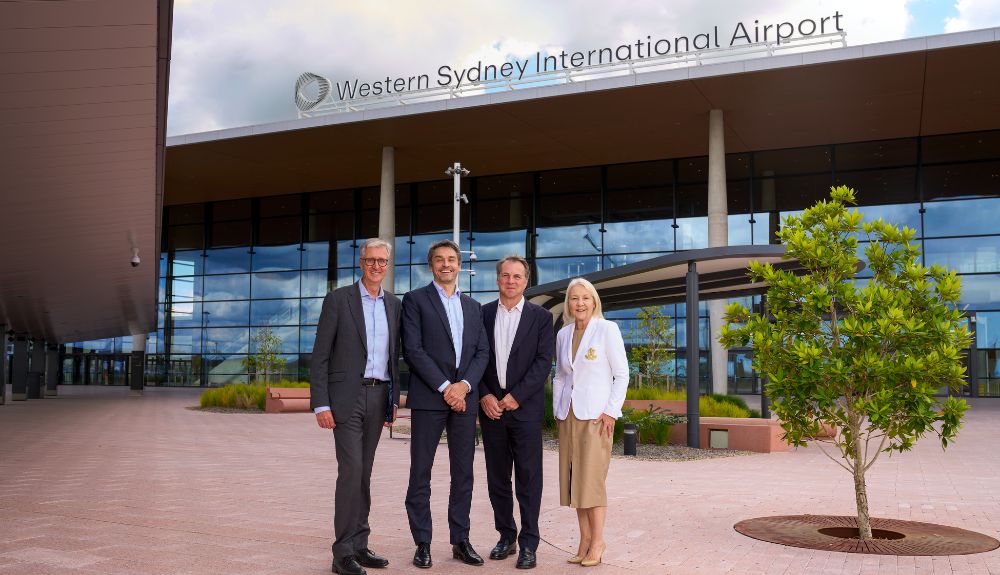
Lagardère AWPL has secured two contracts to become Western Sydney International (Nancy-Bird Walton) Airport’s (WSI) duty free and travel essentials operator, under a new 10-year agreement.
The appointment represents a significant milestone for the airport, as it prepares to begin cargo operations by the end of July, followed by domestic and international passenger services in late October.
Under the terms of the agreement, Lagardère AWPL will deliver around 3,100sq m of retail space across 11 outlets. There will be around 1,900sq m for duty free, in addition to 1,200sq m for travel essentials and specialty retail, spanning both the international and domestic estate.
The retail programme is expected to combine established global brands and travel exclusive products, alongside a ‘best of the west’ concept that will showcase the regional identity of Western Sydney.
WSI CEO Simon Hickey commented: “We’re incredibly proud to welcome a retailer of Lagardère AWPL’s calibre to Western Sydney International Airport. Their commitment is a strong vote of confidence in what we’re building here, a game-changing 24-hour airport that reflects and celebrates the community it serves.
“Most of us love a good browse through duty free, where travellers are often looking for a great deal on some of their favourite premium products, and then there’s the inevitable dash for an essential item that you perhaps forgot to pack for your travels. Rest assured, we’ll have a terrific retailer to support those last-minute needs for a stress-free journey.”
Image Credit: Western Sydney International Airport
Pictured left to right: WSI Chief Executive Officer Simon Hickey; Lagardère CEO Frédéric Chevalier; Lagardère CFO & Regional COO Luc Mansion; WSI Chief Customer and Commercial Officer Alison Webster.
Lagardère Travel Retail CEO Frédéric Chevalier noted: “Lagardère AWPL is thrilled to have been chosen to operate duty free and travel essentials at this stunning new gateway to Australia. We’re grateful to WSI for their trust and for the opportunity to create a truly unique retail experience for travellers to Western Sydney.”
Lagardère AWPL CEO Costa Kouros added: “Our aim has always been to create magical moments for everyone, every day, and this partnership gives us the chance to deliver that from the very first passenger experience in a beautiful new airport.
“Our retail offer will be a showcase not only for the biggest international brands, but also for the best of Australia and New South Wales. We look forward to playing our part in bringing WSI to life by creating a destination that reflects and celebrates the diverse community that is Western Sydney.”
WSI Chief Customer and Commercial Officer Alison Webster said the selection process had prioritised delivering a delivering a retail offer tailored to customer needs, while ensuring value for money. She concluded: “In Lagardère AWPL we have secured a partner that truly understands our vision to provide a world-class retail experience that also reflects the local character of Western Sydney.”
EXCLUSIVE: Heathrow Airport is enjoying a period of renewed growth, according to m1nd-set’s Business 1ntelligence Service (B1S), with a high share of premium passengers, meaningful connecting flows, alliance concentration and deep long-haul orientation.
As divulged last week, TRBusiness has joined forces with m1nd-set to bring you an exclusive monthly report that takes a deep dive into air traffic dynamics at key airports, along with analysis and commentary on how travel retail stakeholders can seek to maximise opportunities at each of the hubs in the spotlight.
Drawing on the B1S Traffic Module and travel retail intelligence platform, powered by m1nd-set’s long-standing strategic partnership with IATA, the comprehensive insights paint a picture of the travellers that flow through airports and their distinctive characteristics, from nationality to the airline they’re jetting in and out on.
The first instalment puts Heathrow Airport in the spotlight…
London Heathrow international departures: Recovery completed, growth re-established
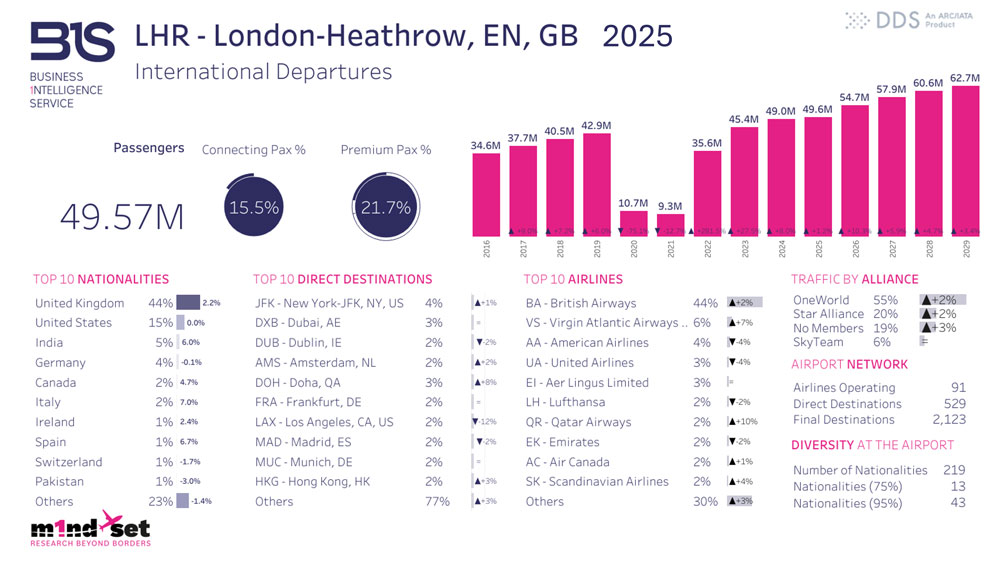
The data shows that London Heathrow has now moved decisively beyond recovery and into structural expansion, with international departures (seats) reaching 49.57 million in 2025, surpassing the previous pre-pandemic peak of 42.9 million recorded in 2019.
“The airport has therefore added 6.67 million international departing passengers compared with its last full pre-Covid year, marking a clear transition from rebound to renewed growth,” said Peter Mohn, Owner and CEO of m1nd-set.
“The historic trajectory underlines this shift. Departures rose steadily from 34.6 million in 2016 to 42.9 million in 2019 before collapsing to 10.7 million in 2020 and 9.3 million in 2021.
He added: “The rebound began in 2022 (35.6 million), accelerated in 2023 (45.4 million) and continued through 2024 (49.0 million), culminating in 49.57 million in 2025. Heathrow has not merely recovered lost ground; it has reset at a higher structural base.”
Image Credit: m1nd-set’s Business 1ntelligence Service (B1S)
Premium and connectivity: Structural yield strength
The data gives rise to two key metrics that define Heathrow’s international profile.
Firstly, premium passengers account for 21.7 percent of international departures.
“More than one in five outbound passengers are travelling in premium cabins, reinforcing Heathrow’s positioning as a high-yield, long-haul oriented gateway,” said Mohn.
Secondly, connecting passengers represent 15.5 percent of traffic.
“This confirms Heathrow’s dual function: a strong origin-and-destination market anchored by UK outbound demand, complemented by meaningful intercontinental transfer flows,” he continued.
“The combination of a premium share above 20% and a mid-teens connecting ratio suggests Heathrow’s traffic quality is structurally higher than volume-led European leisure gateways.”
Nationality mix: Strong domestic base, deep transatlantic ties
“UK nationals account for 44% of international departures, underscoring Heathrow’s role as the country’s primary outbound hub,” said Mohn.
The United States represents the second-largest nationality at 15%, reinforcing the strength of the North Atlantic corridor.
India contributes 5%, followed by Germany at 4%. Canada and Italy each account for 2%, while Ireland, Spain, Switzerland and Pakistan each hold 1% shares.
“Notably, 23% of traffic falls into the “others” category, reflecting significant long-tail diversity,” said Mohn.
“The data confirms a structurally diversified passenger base, anchored by the UK but with substantial North American and South Asian weight.”
Direct Destinations: Network depth and global breadth
New York JFK remains Heathrow’s largest direct international route at 4% of departures. Dubai and Doha follow at 3% each, highlighting the continued importance of Middle Eastern hub connectivity. Dublin accounts for 2% alongside Amsterdam, Frankfurt, Los Angeles, Madrid, Munich and Hong Kong.
“The top 10 direct destinations together account for 23% of international departures, meaning 77% of traffic is distributed across the broader network,” explained Mohn. “Heathrow is served by 91 airlines, operating 529 direct destinations and offering access to 2,123 final destinations.
“The relatively low concentration in the top 10 routes indicates diversified network exposure and limited reliance on any single traffic corridor.”
Image Credit: Heathrow Airports Limited
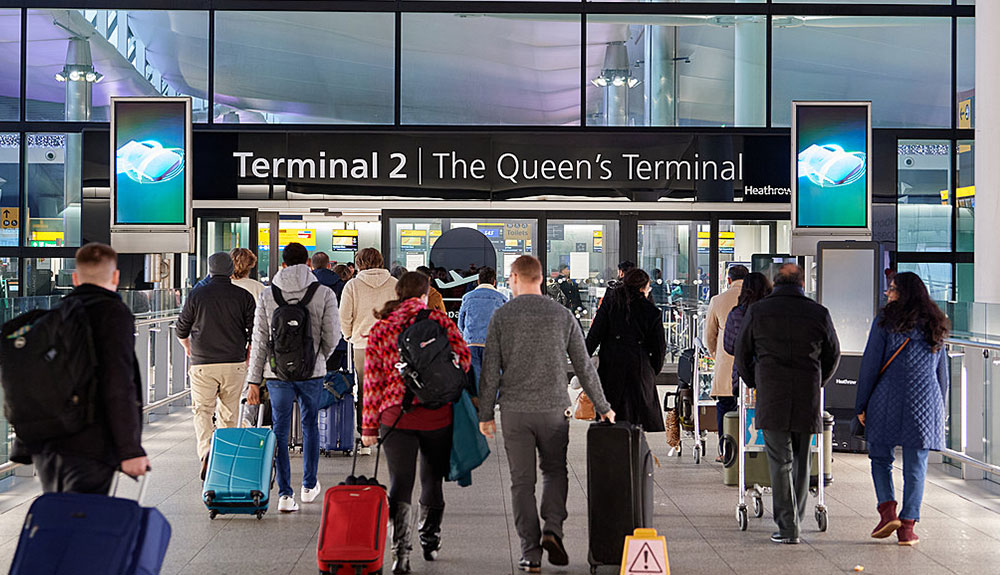
Heathrow Terminal 2 – The Queen’s Terminal.
Airline and alliance structure: Oneworld hub dominance
British Airways alone accounts for 44% of international departures, confirming Heathrow’s role as the airline’s primary global hub. Virgin Atlantic follows at 6%, while American Airlines contributes 4%. United Airlines and Aer Lingus each represent 3 percent, with Lufthansa, Qatar Airways, Emirates, Air Canada and Scandinavian Airlines each holding approximately 2% shares.
“Alliance distribution further reinforces this concentration. Oneworld commands 55% of traffic, driven largely by British Airways. Star Alliance holds 2%, SkyTeam 6%, and non-aligned carriers 19%,” said Mohn. “Oneworld’s dominance likely supports coordinated long-haul feed and premium traffic optimisation across alliance partners at Heathrow.”
Traffic Structure: Expansion within mature constraints
Having exceeded its 2019 peak, Heathrow’s growth profile now appears incremental rather than rebound-driven, reveals the data.
The progression from 45.4 million in 2023 to 49.57 million in 2025 suggests stabilisation at a higher operating base.
Diversity and global reach
“Heathrow’s scale is further reflected in its nationality diversity,” explained Mohn. “A total of 219 nationalities are recorded. Thirteen nationalities account for 75 percent of traffic, while 43 account for 95 percent, demonstrating both concentration at scale and global breadth.”
Image Credit: TRBusiness
Peter Mohn, Owner and CEO of m1nd-set.
“In conclusion, the data presents a clear picture: Heathrow has transitioned from recovery to renewed expansion,” summarised Mohn. “International departures now exceed pre-pandemic levels, supported by a high premium share, meaningful connecting flows, alliance concentration and deep long-haul orientation.
“The airport’s traffic profile is not characterised by mass short-haul leisure volume, but by value density, global connectivity and premium weighting. With British Airways and Oneworld at its core, a strong UK outbound base and enduring transatlantic strength, Heathrow remains structurally positioned as Europe’s most commercially significant long-haul gateway.”
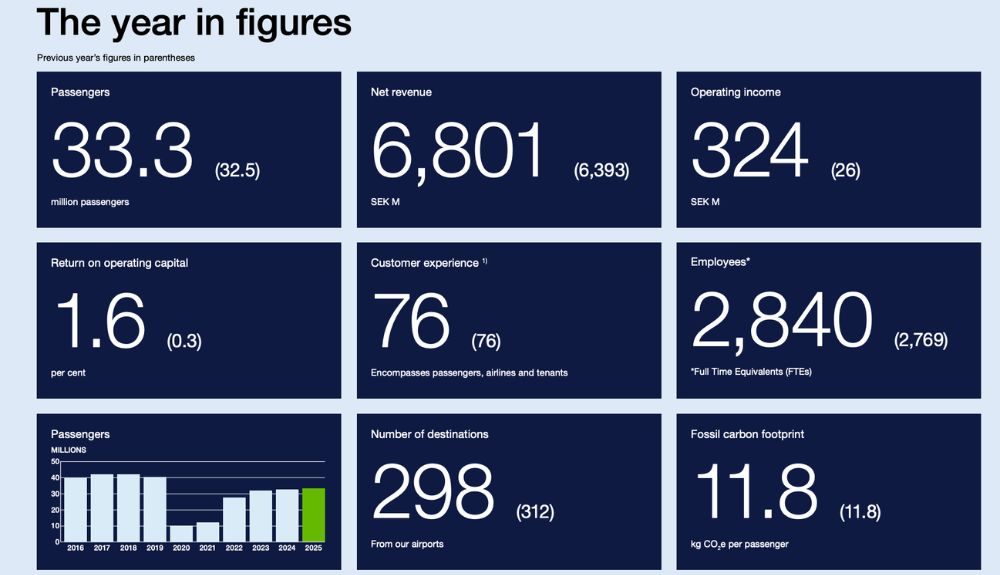
More than 33 million travellers passed through Swedavia’s airports during 2025.
For the first time since the pandemic, Swedavia returned to profitability in 2025, reporting a full-year pre-tax profit of SEK20m (US$2.1m) – an improvement of SEK273m (US$29m).
Net revenue rose to SEK6.8bn, an increase of SEK408m year-on-year, while operating profit improved by SEK298m to reach SEK324m. Passenger volumes continued their steady recovery, with more than 33 million travellers passing through the company’s ten airports during 2025.
Overall air traffic increased by +2.4%, driven by a +3.2% rise in international travel, while domestic volumes remained stable. A key recovery milestone was achieved in October, when international passenger numbers at Stockholm Arlanda Airport exceeded equivalent pre-pandemic monthly levels for the first time since 2019.
Interest in the Swedish aviation market is strengthening, Swedavia noted, with Stockholm Arlanda, Göteborg Landvetter and Malmö airports all reporting positive development through expanded route networks and increased flight frequencies.
Commercial revenue at Swedavia continued to strengthen in 2025, supported by the first full year of operations at the Marketplace in Stockholm Arlanda T5, which has become a key driver of commercial performance.
Total commercial services revenue rose to SEK2.5bn, up from SEK2.3bn in 2024, reflecting growth across several core categories. The Retail, Food & Beverage segment delivered one of the strongest gains, increasing to SEK855m from SEK747m, while Parking & Entry also performed solidly, reaching SEK922m compared with SEK895m the previous year. Property revenue remained broadly stable at SEK516m, while advertising income rose to SEK117m.
Image Credit: Swedavia
A key recovery milestone was achieved in October, when international pax at Stockholm Arlanda exceeded pre-pandemic monthly levels.
Swedavia reported that 2026 had also started positively, although it acknowledged that “ongoing uncertainties in the surrounding world” could impact traffic trends. In February, just over 2.2 million passengers travelled through Swedavia’s ten airports, with total air travel increasing by +7% compared with February 2025.
International travel increased by +6%, while domestic travel rose by +9%. At Stockholm Arlanda, Sweden’s largest airport, passenger traffic exceeded 1.6 million in February, representing a +7% year-on-year increase.
Meanwhile, Göteborg Landvetter Airport handled 334,000 passengers during February, up +2% compared with the same month last year. Across the wider network, Swedavia reported generally positive passenger development at its remaining eight airports, albeit with local variations.
Image Credit: Swedavia
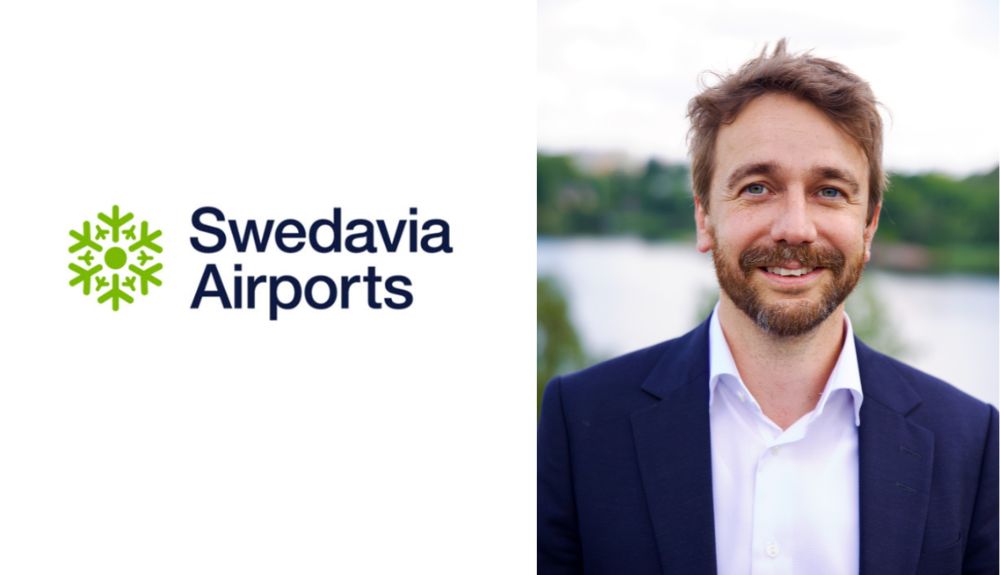
Swedavia has named Aron Backström as Chief Commercial Officer, effective 10 August 2026.
In other news, Mats Johannesson has been named President and CEO of Swedavia. ““Swedavia has an important mission to strengthen Sweden’s connectivity and thereby the country’s competitiveness,” he commented. “We will continue to carry out that mission as a close partner to the airlines, with the passengers’ experience at the centre.”
Finally, Aron Backström has been appointed Swedavia Chief Commercial Officer, effective 10 August 2026. He is currently VP Product & Loyalty at the airline SAS, where he has held several senior strategic and commercial positions.
“I am truly looking forward to welcoming Aron Backström to Swedavia,” noted Johannesson. “With his experience in leading change and business development, I am confident that he will contribute to creating value for our passengers, airline customers, tenants, and other partners.”
“The Swedish aviation market is constantly evolving, and Swedavia is at the centre of that development,” added Backström. “I am passionate about building business with the customer at the core and look forward to rolling up my sleeves together with the team.”
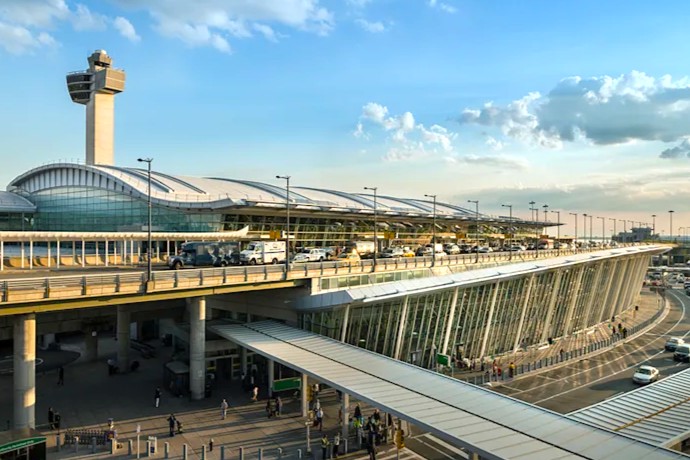
T4 is the busiest terminal at JFK Airport in New York.
Terminal 4 at New York’s John F Kennedy International Airport (JFK) is in the midst of one of the most extensive food and beverage (F&B), duty-free, and speciality retail redevelopment programmes at any US airport. An announcement on the winner of the duty-free contract, which incumbent DFS did not defend, is expected soon.
In the meantime, the commercial revamp is progressing. Covering about 80-90 units, the transformation is being led by T4’s operator, JFK International Air Terminal (JFKIAT), a Royal Schiphol Group company.
The move marks a decisive shift away from a single‑operator model for F&B, toward a more diversified, competitive ecosystem of global, national, and hyper‑local brands.
The operator believes the strategy will raise quality, competition, and choice for its 28 million passengers.
Image Credit: JFKIAT
Roel Huinink: “Everything is being renewed, with new F&B concepts rolling out as we speak.”
Speaking exclusively to TRBusiness at PTE World 2026 in London last week, Roel Huinink, CEO of JFKIAT, said: “Everything is being renewed, with new F&B concepts rolling out as we speak. The offer is available to both domestic and international passengers in one secure airside area.”
SSP was the sole F&B partner before the shake-up, and T4 was its biggest operation in US travel retail. After an RFP process first launched in 2023, SSP is now being joined by Paradies Lagardère, Avolta/HMSHost, and independent operators running five, nine, and up to three units, respectively. The redevelopment is being executed while the terminal remains fully operational – a logistical challenge given that T4 typically processes 89,000 passengers per day.
Hyper-localisation at Terminal 4
T4 is the busiest terminal at JFK representing 44% of total traffic, and it is also Delta’s main hub in the US. Executing a total overhaul has allowed JFKIAT, in partnership with Portland Design, to create areas that take localisation, or sense of place, to a new level: representation of the five boroughs of NYC. “We didn’t want a stereotypical translation of New York, so we focused on what the five boroughs represent,” said Huinink.
Portland’s Senior Director, Environments, Lewis Allen, said: “The essential vision for the commercial experience was to represent the people, their passions, and products of New York. We shifted away from the cookie-cutter approach, so the master planning included districting around the vibe of each of the boroughs. So, for example, Manhattan is more premium, Brooklyn is more hipster and edgy, and Queens is about diversity.”
Image Credit: JFKIAT
Starbucks has adapted its design for T4.
F&B starts phased rollout until 2027
The F&B redevelopment is already underway. Two new units opened in February, including the Brooklyn Tea Market, with more coming online in the coming months. Starbucks is among the first to debut concepts that fit the ‘boroughs’ theme, with two stores open, and a third is imminent. McDonald’s has also been willing to undergo some customisation to tie in with JFKIAT’s ideas, according to Belinda Jain, JFKIAT’s VP Customer Experience & Commercial.
Image Credit: JFKIAT
Belinda Jain: “By the end of this year, most of the F&B will be completed, and duty-free and speciality retail such as fashion will roll out from Q3 until Q1 2028.”
SSP’s Gotham Speakeasy cocktail bar is another strong example of delivering localisation, this time, the atmosphere of prohibition-era NYC, to passengers. And, in convenience, 149th & Grand by Hudson (an Avolta brand) is a localised concept with subway‑inspired design that takes precedence over Hudson branding – a notable shift given Hudson’s iconic status in the US. Four other Avolta units will be opening in April.
“By the end of this year, most of the F&B will be completed, and duty-free and speciality retail such as fashion will roll out from Q3 until Q1 2028,” said Jain. JFKIAT is deliberately staggering closures to avoid limiting the passenger experience. “We try not to close too much at the same time, that’s why it’s taking longer,” added Huinink.
The 50:50 mix of domestic and international travellers makes F&B a critical revenue driver. With the full commercial overhaul running through to 2028, JFKIAT expects passengers to experience a “brand-new Terminal 4” by the end of the decade.
This website uses cookies and contains content relating to the tobacco and alcohol industry. Click here to view our cookie policy. By continuing to browse this site you are agreeing to our use of cookies, are aged over 18 and permitted to see tobacco and alcohol content intended for a business to business audience.

 Trbusiness. The travel retail Trbusiness. The magazine for global retail and duty free professionals.