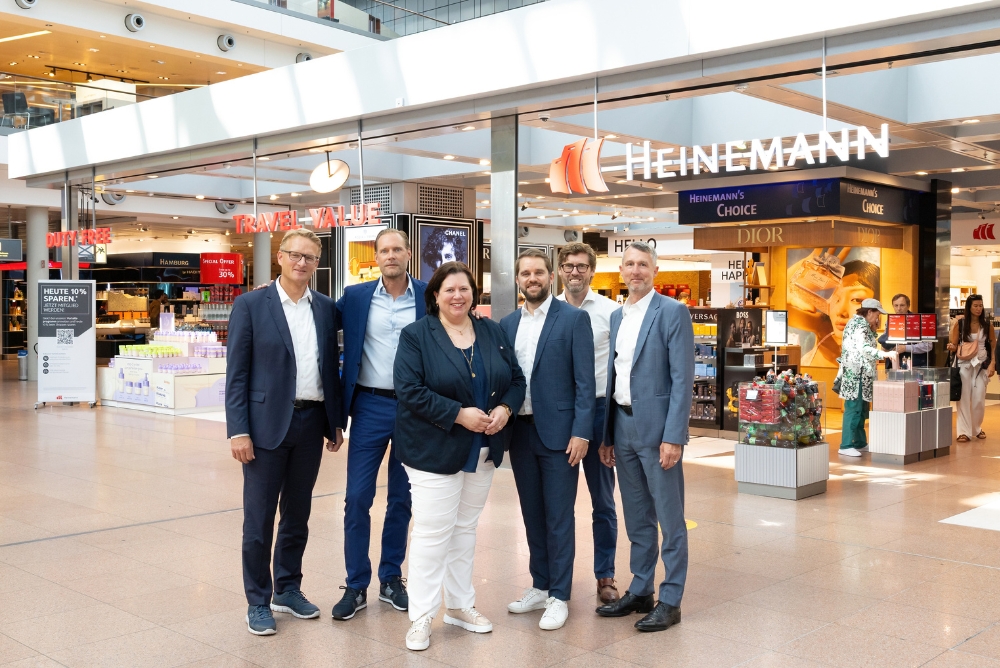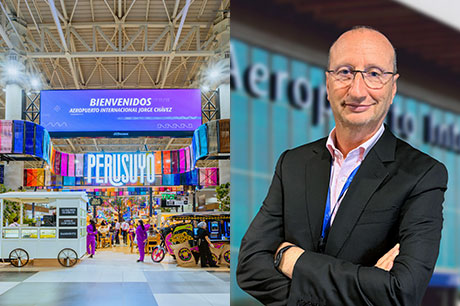
Left: Perusuyo restaurant is a melting pot for Peruvian gastronomy, art, music and culture. Right: Lima Airport CCO Norbert Onkelbach.
With a compelling aviation story and a standout commercial offering celebrating Peruvian luxury and cuisine, led by a vibrant walk-by duty free concept by Lagardère Travel Retail, the new passenger terminal at Jorge Chávez International Airport is turning heads. Lima Airport CCO Norbert Onkelbach gives TRBusiness the inside story…
The new single passenger terminal at Jorge Chávez International Airport in Lima officially swung open its doors on 1 June. The project has been years in the making, but it’s just the start of a bold new chapter for retail and food & beverage at the Peru hub.
Operator Lima Airport Partners (LAP), a member of Fraport AG, invested US$2 billion into the project (for the new runway, control tower and terminal), with an additional US$400 million coming from third party investment into the wider airport city development, of which US$100 million was funnelled into the terminal’s new marketplace.
The opening of the new facilities has boosted the airport’s capacity to 30 million passengers per annum (mppa), rising to 40 mppa by 2026, as connectivity grows.
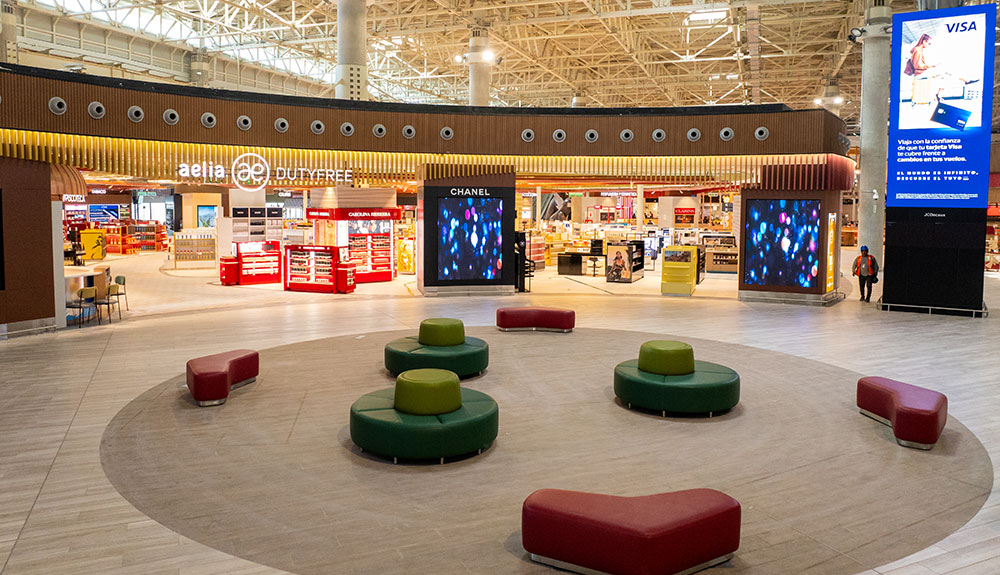
The terminal layout has been completely transformed from a concourse boulevard-style set-up to a holistic retail hub experience.
From a passenger perspective, the terminal layout has been completely transformed from a concourse boulevard-style set-up to a holistic retail hub experience that’s all about optimising the passenger flow.
The retail design strategy for the new terminal has been formed in collaboration with Vancouver-based SmartDesign Group – and the change is vast. The commercial area, spanning 27,000 sqm, is two-and-a-half times the size of the previous terminal. The space has been meticulously planned to improve the passenger experience – categorised according to the type of passenger, in retail (domestic and international).
The objective? To grow the retail SPP in the terminal by +20% once all the shops are opened.
The big switchover
On the switchover day on 1 June, the original terminal was closed at 00:45, once the last flight – a LATAM Airlines flight from LAX – landed and the very last passengers had exited. A fleet of more than 50 aircraft made their way from the old to the new terminal and passengers were welcomed from 8:00, with the first flight leaving at 13:00 to Atlanta.
“It was an impressive performance of our operations teams hand-in-hand with suppliers, ground handlers and, of course, the airlines,” said Onkelbach. “Closing Terminal 1 was an emotional moment for all of us. That building had been the airport terminal since 1965. The concession was taken over by us in 2001 when the airport was privatised and then we started the [new terminal] project in 2018.”
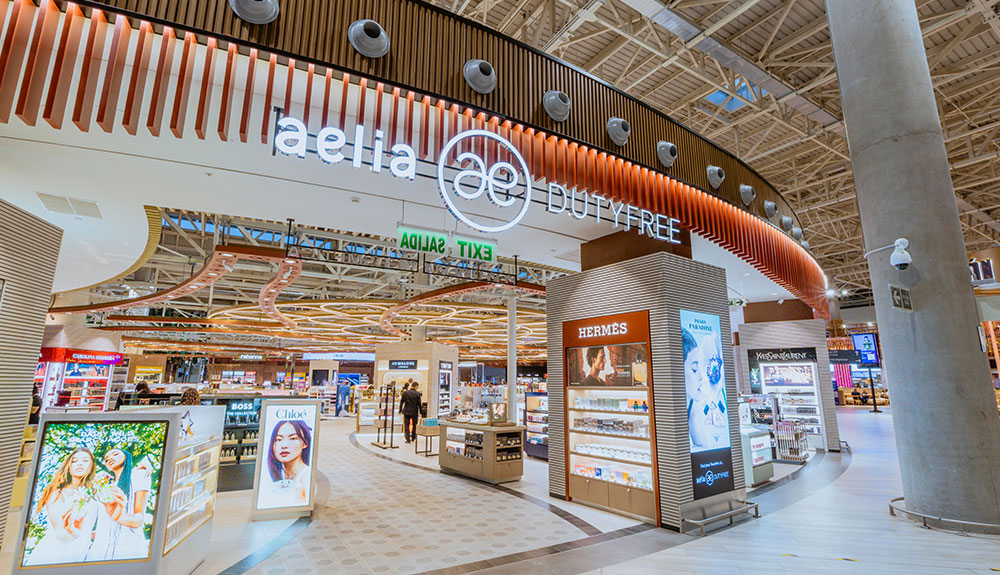
Lagardère Travel Retail runs the duty free operations under its Aelia concept.
Just last year, Lima Airport welcomed 24.5 passengers. Now, it has the tools it needs to spread its wings and connect Latin America to the world.
“We’ve ample capacity – two runways that can do 40m passengers so that’s our growth story that lies ahead,” said Onkelbach.
The airport’s passenger traffic is essentially half international, half domestic. Americas is, by far, the core market, with Miami just a six-hour flight and the airport offering long-range fights (8-10 hours) into Continental US and Canada. European direct flights provide approximately 5% of the airport’s overall traffic.
The overall aviation strategy is to develop a hub, connecting North, Central and South America via Lima. Paired with the strong tourism ambitions of Peru, the hub has solid growth potential.
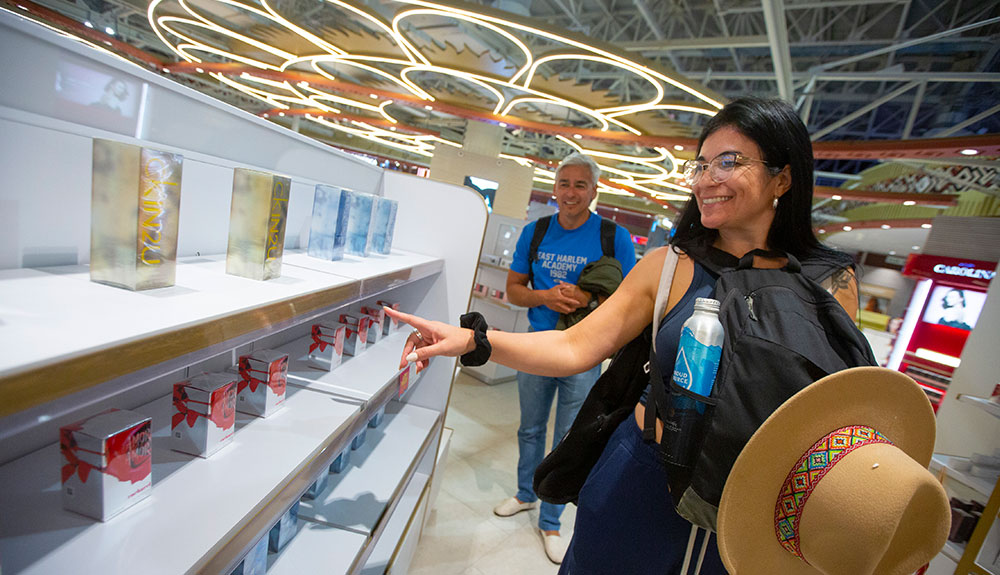
The new terminal opened with 65 shops on 1 June, with 10 more being added by September.
“We would like to have traffic from the Middle East and maybe in a few years also China or Southeast Asia, but we foresee once the hub goes above 30 million passengers, we will have more and more connectivity in the Americas,” said Onkelbach.
Passenger traffic is forecast to reach around 38m in 2030 and 50m in 2041. The new terminal has been future-proofed with this in mind, with ample seating factored into the design, for instance.
Retail preparedness
Considering its growth projections, taking a forward-looking approach to retail and F&B is also key, with a goal of delivering the luxury of choice to travellers.
The new terminal opened with 65 shops on 1 June, with 10 more being added by September. F&B partners, such as Lagardère, started cooking months in advance to be able to hit the ground running.
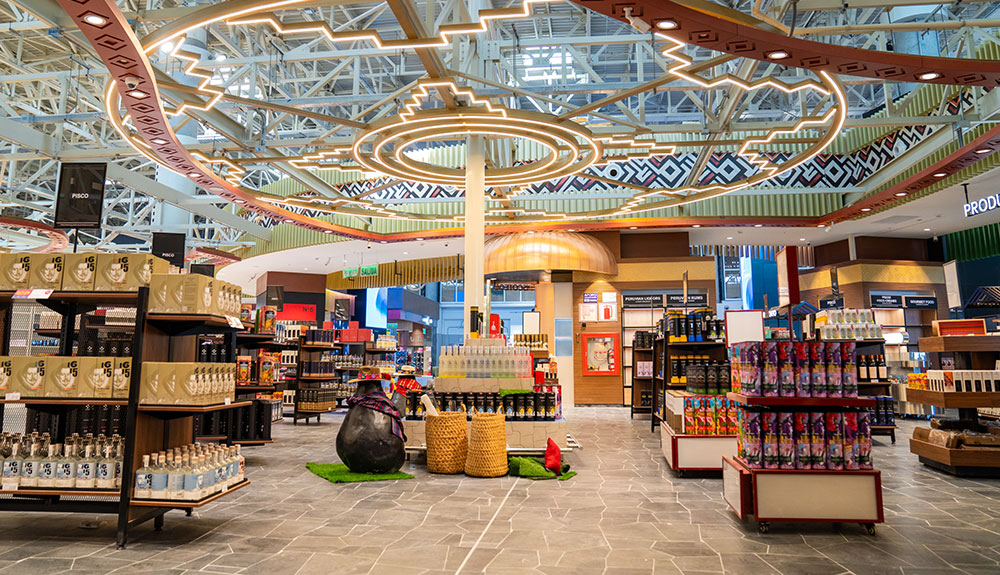
Lagardère Travel Retail’s duty free contract is for 10 years from the opening and is based on a profit-sharing model.
“All that was part of the retail readiness,” explained Onkelbach, underscoring how it has been essential to ensure the airport’s retail teams stay well connected to the tenants to help operations run as smoothly as possible.
Lagardère Travel Retail was awarded the duty free contract in 2022. The company launched operations in the previous terminal in January 2023 – a rich learning experience that helped to inform the strategy for the new terminal. The new layout has given rise to the walk-by concept situated in the heart of international departures, with the core category offering punctuated by two experiential islands: a Pisco bar and a souvenirs spotlight.
On the decision to opt for a walk-by rather than a walk-through format, Onkelbach commented: “I believe that the traveller is experienced enough to know and to understand what a duty free concept is and to have the choice to elect himself or herself to enter a shop.”
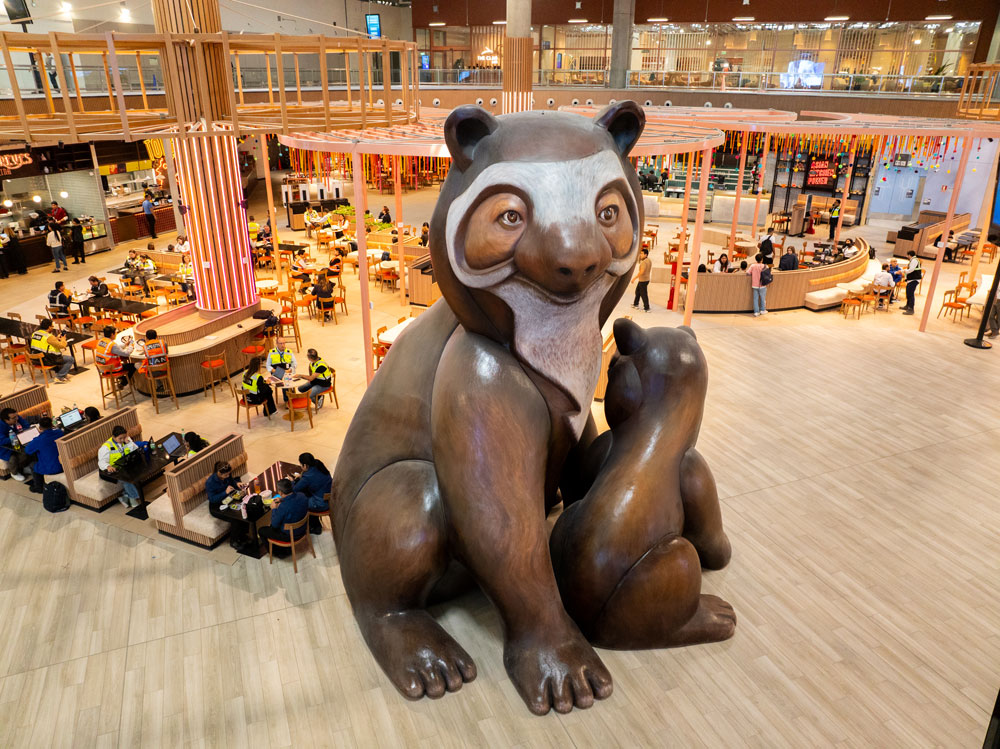
Uku and his cub Kuki are characters created by artist Haroldo Higa especially for the new Jorge Chávez International Airport.
He continued: “Do you go back to a walk-though shop once you’ve passed it? We said no, nobody goes back to it unless you’ve seen something you want. When you have a round concept which you can enter from different sides, you can see through the shop. When you are sitting in F&B or going to your gate or circulating, you can see and look through the shop.”
With dwell time more fluid, the airport has, for the first time in South America, according to LAP, introduced a call-to-gate flight information system in the marketplace that indicates when to go to gate, as well as a WhatsApp gate notification service.
“So far we see penetration works,” confirmed Onkelbach.
International heroes
Elsewhere in international departures, Peruvian luxury shines through with boutiques from the likes of home-grown sterling silver jewellery brand Ilaria; the Sol Alpaca clothing brand offering pieces made from fine Peruvian Alpaca wool; and the high-end Kuna fashion and accessories brand.
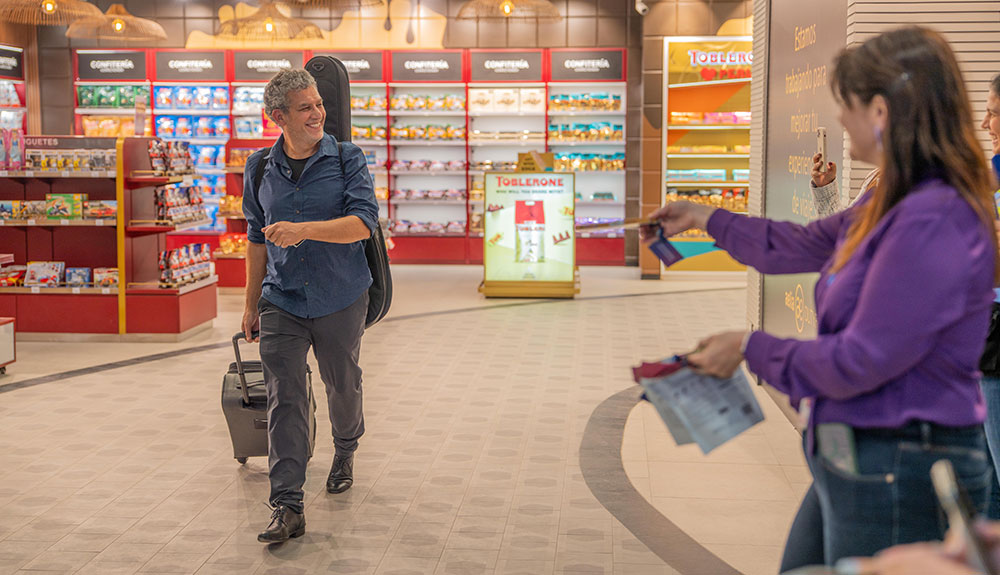
LAP’s objective is to grow the retail SPP in the terminal by +20% once all the shops are open.
Among the other highlights are the three spaces by Morpho Travel Experience, a casual dining zone featuring the likes of TGI Fridays, Starbucks, a Boss store and two new Peruvian chef-driven F&B concepts coming soon: Callao by Jaime Pesaque and Sakai by Mitsuharu Tsumura, whose Nikkei cuisine restaurant Maido, in Lima, was crowned World’s Best Restaurant 2025 in The World’s 50 Best Restaurants ranking. Indeed, the airport is capitalising on the city’s reputation as a gastronomic hotspot to characterise the experience with standout eateries that celebrate the country’s cultural heritage and bring authentic flavours and exclusive concepts to the fore.
“The F&B strategy is a core strategic element in positioning the commercial offering as Peru is one of the top destinations in the world,” said Onkelbach.
“The top chefs and culinary diversity of Peru are very well represented in the new terminal.”
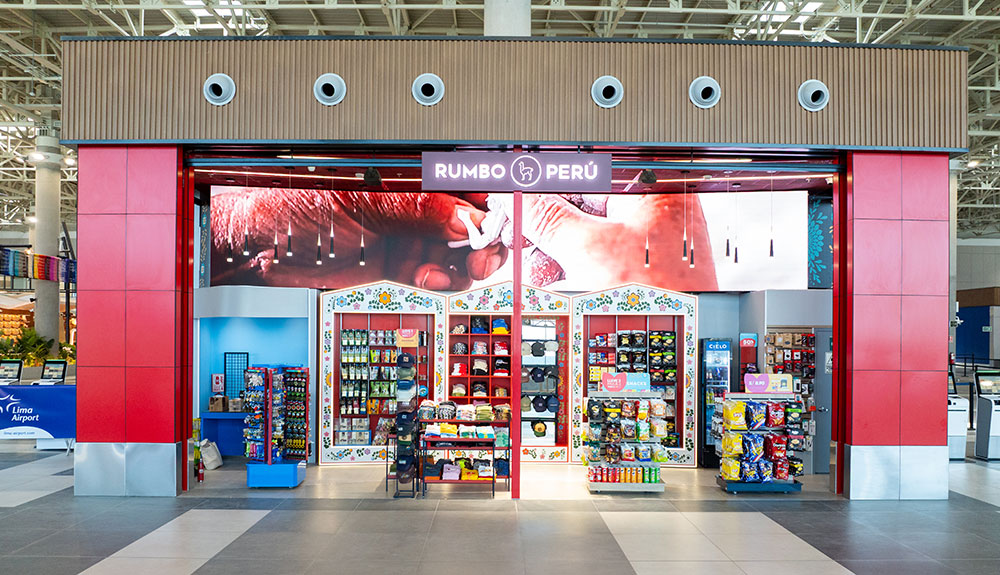
Rumbo Perú, by Morpho Travel Experience, brings coffee, chocolate, crafts, textiles, and souvenirs to travellers.
He added: “The international marketplace is 60% non-Peruvians, so we wanted to have more Peruvian choices. In domestic departures, the split is the other way around, giving rise to eateries such as Pizza Hut, TGI Fridays, Dunkin’ Donuts, China Wok and McDonald’s (opening January 2026) in the mix. These are rubbing shoulders with, among others, Puku Puku coffee and Acurio food hall, which is the brainchild of Peruvian chef Gastón Acurio. On the retail side, there is a duty paid walkthrough by Lagardère.
“You need to make sure that your marketplace is emblematic, iconic and Instagrammable – that is what I have learnt,” said Onkelbach. “The social media teams make sure that the story is being told. It’s also about making sure that your products and your services are promoted.”
High collaboration
Lagardère Travel Retail’s duty free contract is for 10 years from the opening and is based on a profit-sharing model (giving LAP a share of the EBIT).
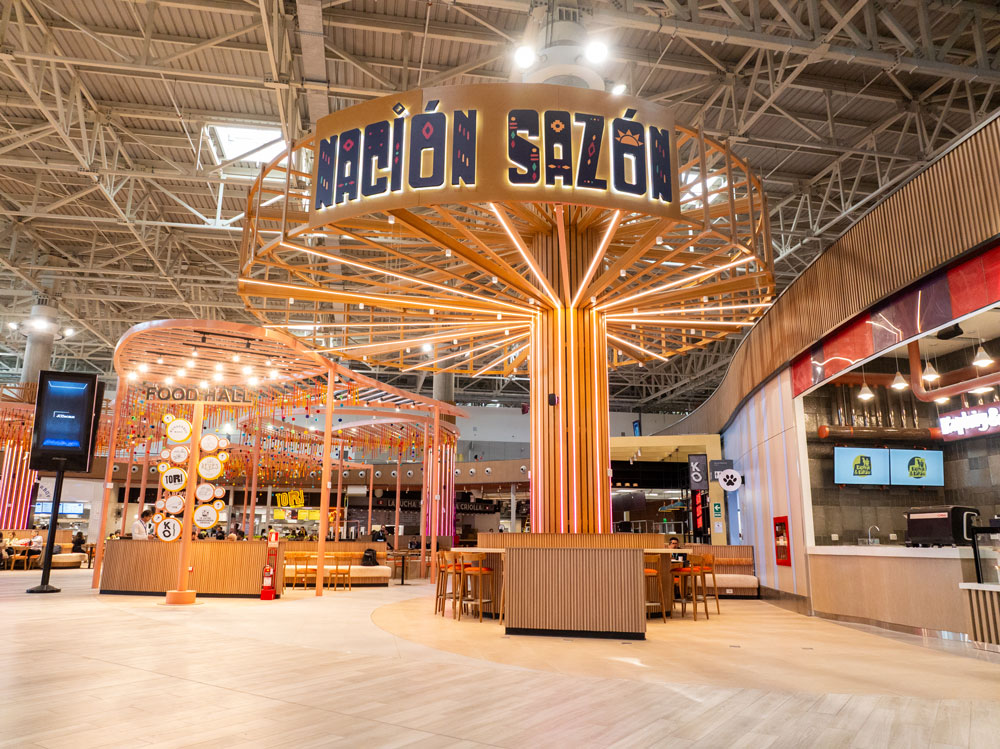
Due to Peru’s gastronomic standing on the global stage, the F&B component has been core to positioning the airport’s commercial strategy.
“We decided not to go into a joint venture,’ said Onkelbach. “We wanted to participate in the maximisation of the margin. We usually have revenue shared in our contracts but for top activities such as duty free, it’s attractive to enter into profit sharing. For this you need your teams to be very well trained, very engaged and strong in analytics and category management – a very regular exchange on product categories, performance, understanding the margin, the mark-ups.”
The high-collaboration approach, believes LAP, can lead to greater rewards for all parties.
“I believe for an airport the size of 25 million passengers, the retail strategy must be [for] an active category management,” he said. “You want to know what’s happening in your top contract which is, of course, duty free.”
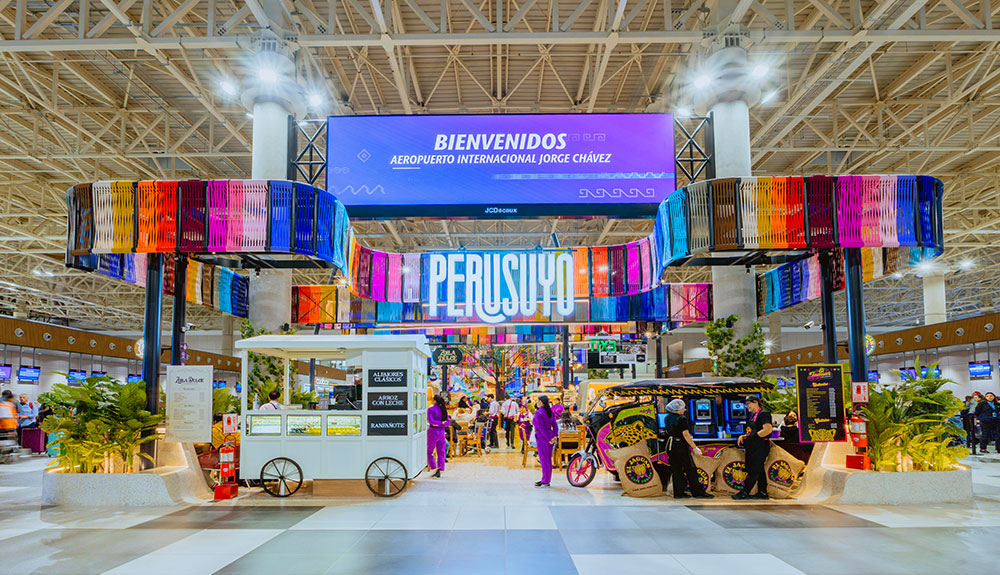
Perusuyo restaurant is a melting pot for Peruvian gastronomy, art, music and culture.
Airport Dimensions, member of the Collinson Group has a contract for almost 5,500 sqm in lounges (4,200 sqm international and 450 sqm for a new Sleepover concept landside and another 850 sqm for a domestic lounge). There’s also a lounge by the main home carrier LATAM Airlines, opening soon.
Digital dimension
The next step of the commercial journey will see Lima Airport utilising digital tools to layer up on the brick-and-mortar offering and deliver the tailored approach to passengers.
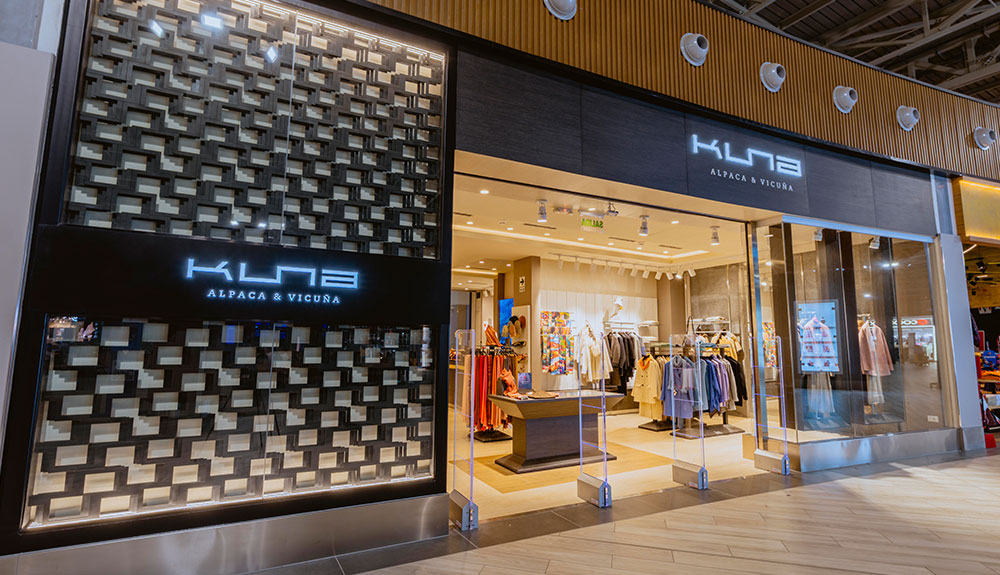
High-end Peruvian brand Kuna specialises in alpaca sweaters, coats, jackets, shawls and scarves.
“It’s something we are doing in the second half of the year,” confirmed Onkelbach, underscoring the need for stakeholders to actively share and to not be afraid of sharing data.
“I believe in our portfolio and category management we need to be critical enough to say: ‘Where does it makes sense to collaborate. Which is the highest form of putting resources together with our commercial partners? Where do we collaborate, cooperate, where are we just transactional?’,” he said. “The critical question is: ‘What [do] we need to do as modern airport retailers?’ For me, brick and mortar is not enough. That is the basis for good impulse shopping in airports. I think to maximise the commercial performance, I also believe we need to get strong in customer engagement and ask ourselves where our common interest in digitalisation lies.”
Revenue targets
LAP is targeting US$500 million estimated turnover next year. The current aero- to non-aeronautical income mix at the airport is 70% to 30%, and with the opening of the new facility, the non-aeronautical share is set to grow its share continuously, says LAP. (The non-aeronautical portfolio includes real estate, airport retailing and car park revenue). Airport retailing represents 60% of the commercial result of this, with duty free providing the largest share – around 30% – and F&B and lounges together making up an equal share in the mix.
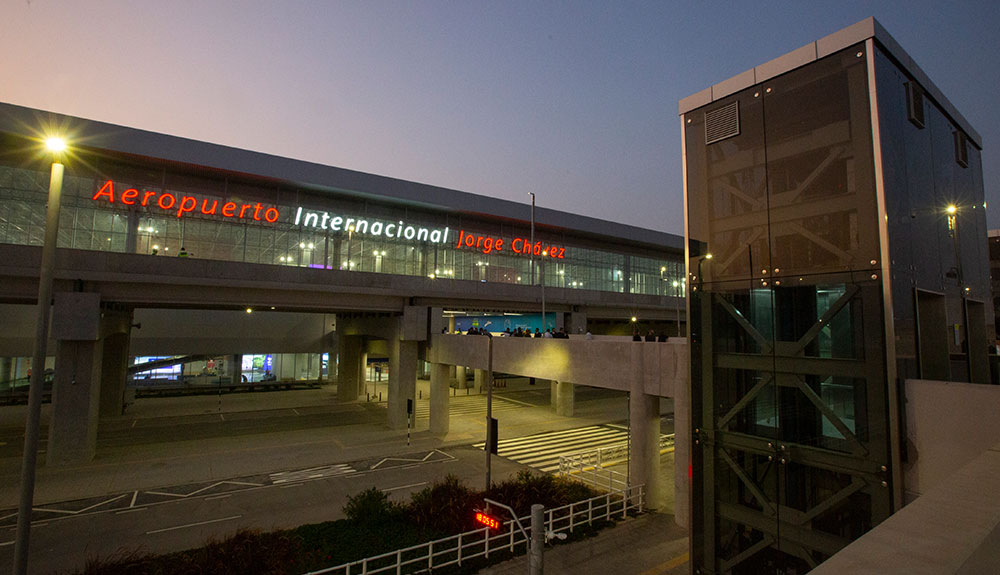
The new passenger terminal forms part of the wider 935-hectare Jorge Chávez New Airport City, featuring essential infrastructure – from a modern logistics park to additional commercial spaces and two hotels.
For now, Onkelbach and his team are enjoying a brief moment of reflection on the journey so far.
“I’m quite an outgoing person but there are moments when you just sit in the restaurants in the marketplace and you disappear as one of 70,000 people just sitting there and you see it’s working,” he said. “And actually, that’s the best news there is. It’s a great satisfaction to see that everything you have planned over the years becomes tangible and functional.”
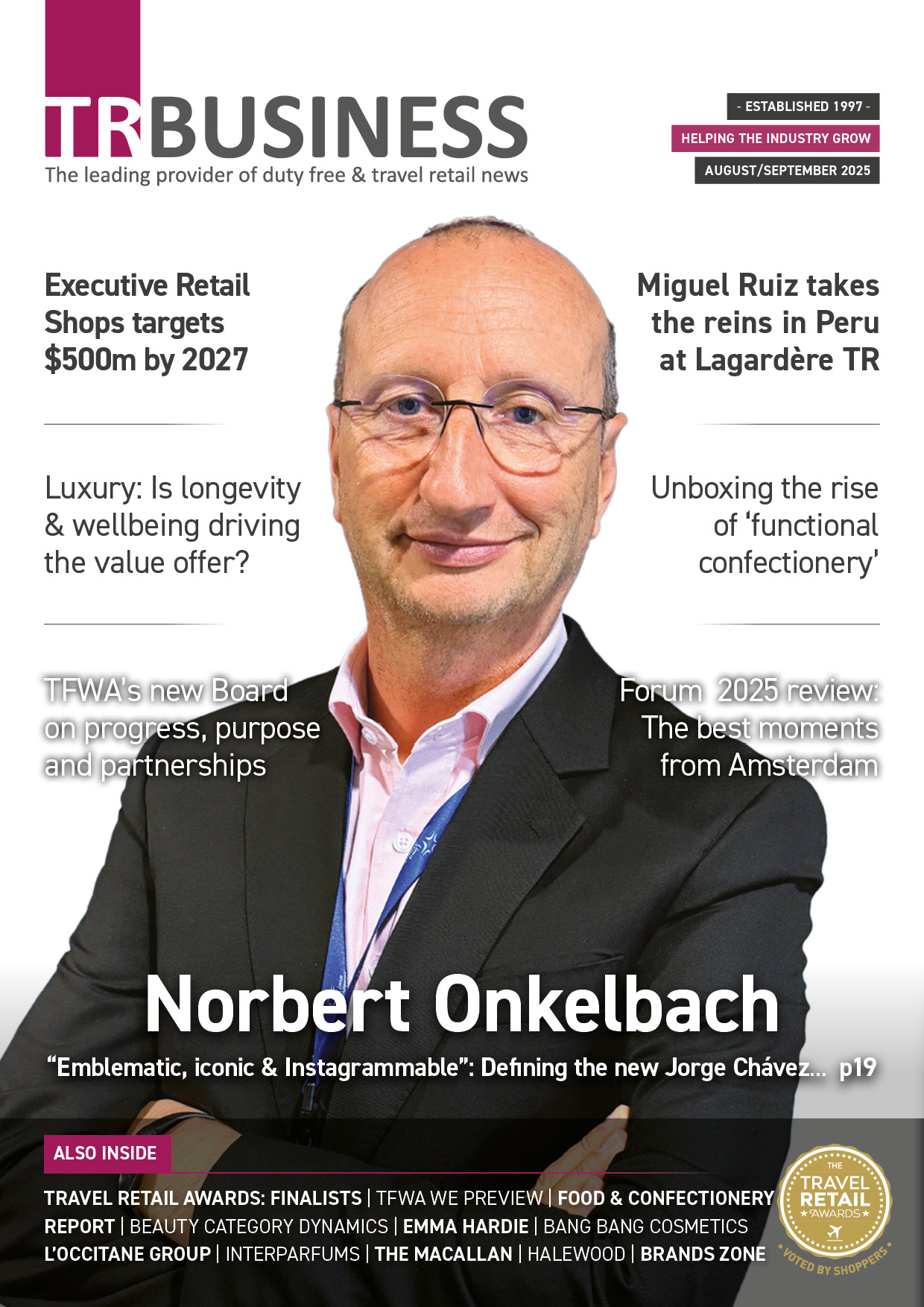 This article first appeared in the TRBusiness August/September ezine.
READ MORE: Fraport AG sees higher revenue and lower profits in H1 2025
READ MORE: Lagardère posts strong H125 despite sharp slide in APAC and North Asia
READ MORE: Lagardère appoints leaders to support growth in LATAM and the Pacific

 Trbusiness. The travel retail Trbusiness. The magazine for global retail and duty free professionals.