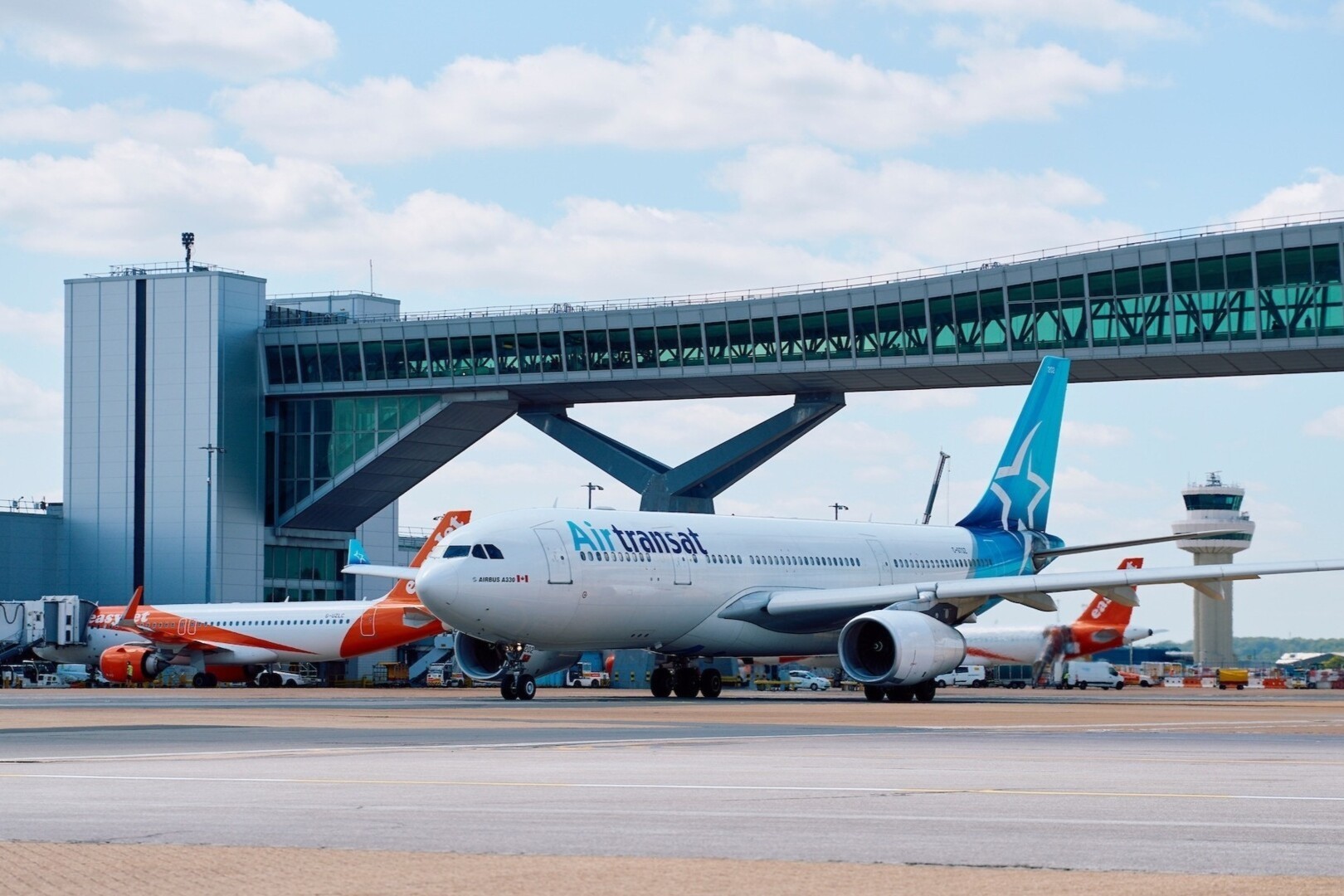
London Gatwick is targeting a huge passenger increase once it gets a second runway.
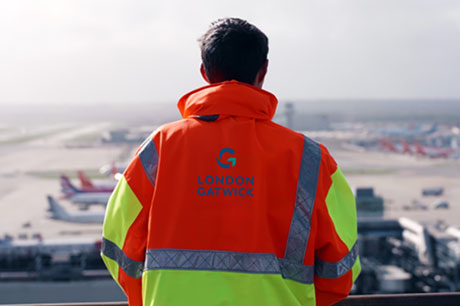
The UK’s second-busiest airport, London Gatwick (LGW), has launched its largest-ever food and beverage (F&B) tender for a collection of what it calls “flagship hospitality locations” across its two terminals.
The move comes as a £2.2bn ($2.9bn*) privately-funded second runway has been green-lit despite a legal challenge and will boost growth, enabling LGW to serve up to 80 million passengers a year. Last year, the airport – which is 50.01% owned by Vinci Airports and the rest by Global Infrastructure Partners (GIP) – processed 42.8m passengers, down -1.1%.
Six F&B units spanning more than 3,800sq m are available. LGW states: “This represents one of the most significant hospitality opportunities currently available in the UK travel sector.” The airport is seeking hospitality partners to help shape the next phase of its commercial offering as the benefits of the Northern Runway Programme begin to materialise.
Major milestone coming
The new dual runway system is expected to unlock long-term growth from 2030, allowing brands to serve a larger international passenger base. In August, referring to the new infrastructure, the UK’s Transport Secretary, Heidi Alexander, said: “This is a major milestone for Gatwick with expansion unlocking investment and creating thousands of new jobs. Around 13 million more passengers and 100,000 more flights will give holidaymakers greater choice and strengthen global links.”
The Gatwick F&B tender is concentrated in the South Terminal where opportunities for quick service and fast casual concepts include units measuring 309sq m, 320sq m, 547sq m and 790sq m, alongside a dedicated pub space of 647sq m. In the North Terminal, retailers are invited to bid for a pub unit spanning 1,084sq m.
The trading spaces are available either as individual opportunities or as part of a wider portfolio proposition, enabling operators to tailor bids accordingly.
Stephane Geffroy, LGW’s Head of Retail, says: “This is a landmark opportunity. We are looking for ambitious operators that can deliver standout concepts, exciting new trends, exceptional customer experiences, and a varied F&B offer that reflects the needs of our diverse passenger base. This tender allows brands to establish themselves at the heart of one of the UK’s most important airports at the most significant time in our history.”
Interested parties should email the London Gatwick commercial team for further information and detailed tender documents. Bid submissions close at 12pm (midday) on 10 November 2026.
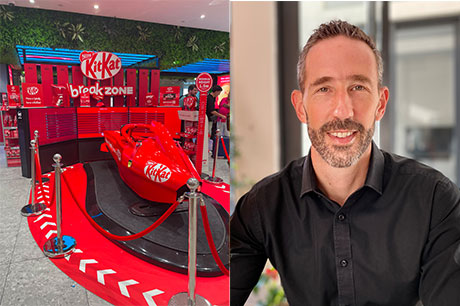
Left: The Formula 1 racing simulator. Right: Frédéric Porchet, NITR’s General Manager.
Nestlé International Travel Retail (NITR) and Avolta have collaborated to bring KitKat’s partnership with Formula 1 to life at Madrid Airport.
Launched on 11 August, the activation is running across several stores in Terminal 4 and Terminal 1 non-Schengen for the coming two months, designed to engage passengers throughout the busy holiday travel season.
Timed ahead of the Formula 1 TAG Heuer Gran Premio de España in Madrid, the experience capitalises on growing excitement around one of the newest additions to the Formula 1 calendar.
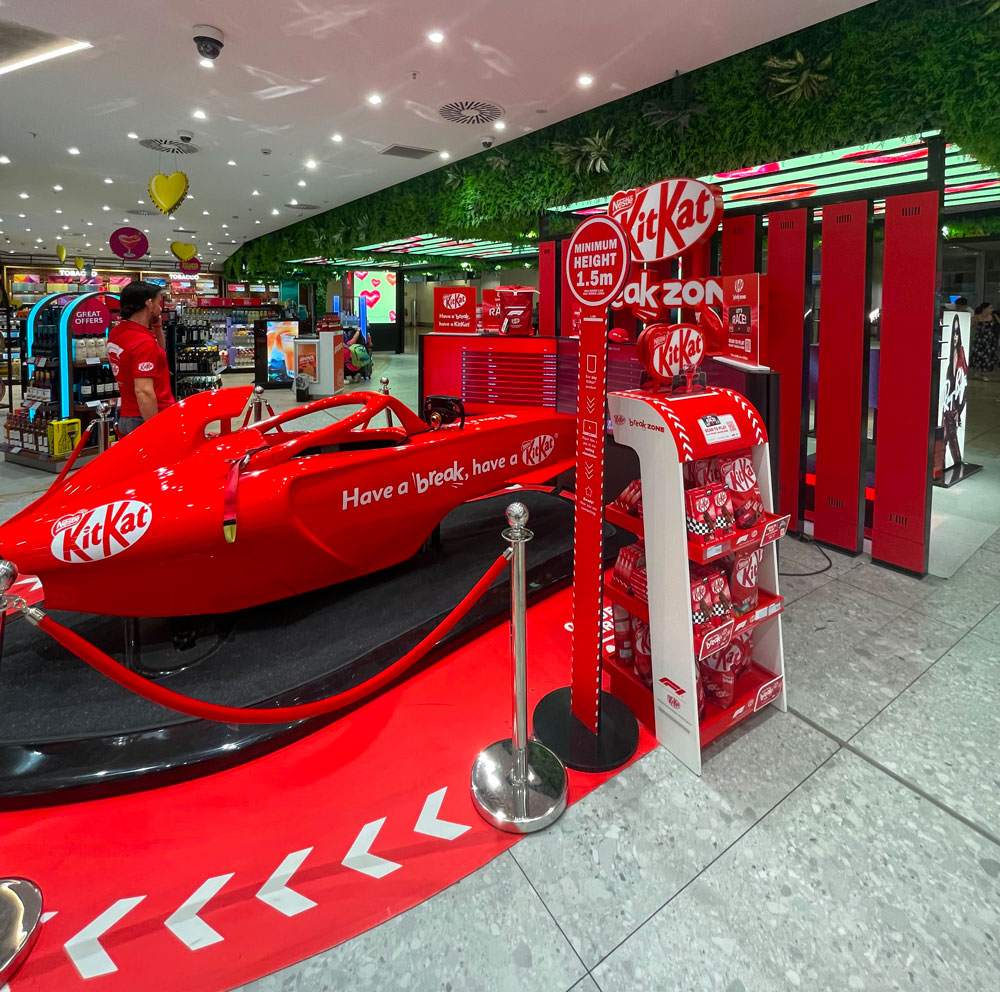
At its core, a Formula 1 racing simulator invites travellers to test their driving skills before taking a KitKat break, while reinforcing the brand’s presence in travel retail.
Formula 1-themed branding is in place at participating stores, strengthening KitKat’s visibility at key points along the passenger journey.
Avolta Global Head Food, Confectionery, Souvenirs and Toys Philippe Moryl said: “Collaborations like this show the role travel retail can play in turning major global partnerships into engaging experiences for travellers.
“Bringing together the KitKat and Formula 1 partnership at Madrid Airport creates a strong reason for passengers to stop, interact and discover the offer, while adding something memorable to their journey.
“Together with Nestlé International Travel Retail, we are continuing to explore new ways to combine great brands, exclusive products and experiences that make travel more enjoyable.”
Image Credit: Nestlé ITR
The activation is running across several stores in Terminal 4 and Terminal 1 non-Schengen.
The Madrid activation forms part of NITR’s continued investment to bring the KitKat Formula 1 partnership to life across global travel retail. Acting as a catalyser of the ACT (Attract, Convert, Thrive) strategy, NITR is harnessing this collaboration to create engaging and memorable experiences, designed to attract travellers to the confectionery category and drive conversion and segment growth.
Travellers can also discover the latest KitKat portfolio throughout the displays in stores, including a selection of travel-retail exclusives. The activation offers an additional incentive for Formula 1 fans, with a collectible KitKat Car Tin available through selected gift-with-purchase and bundle offers. This is designed to provide a memorable souvenir from the journey.
NITR’s General Manager Frédéric Porchet commented: “The KitKat and Formula 1 partnership gives us a fantastic platform to bring new energy and excitement to confectionery in travel retail. Madrid is an important international hub, and together with Avolta we are using the partnership to create a highly visible presence that engages travellers throughout their journey.
“Activations such as this demonstrate how we can translate a major global partnership into relevant and engaging travel-retail experiences. By combining the strength of KitKat with the excitement of Formula 1, we can encourage travellers to stop, engage with the category and, of course, have a break.”
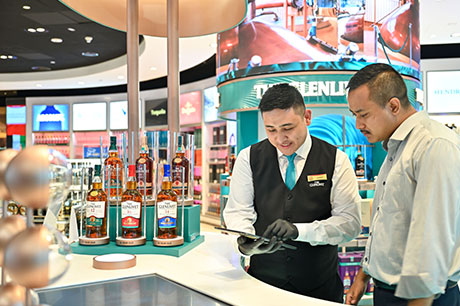
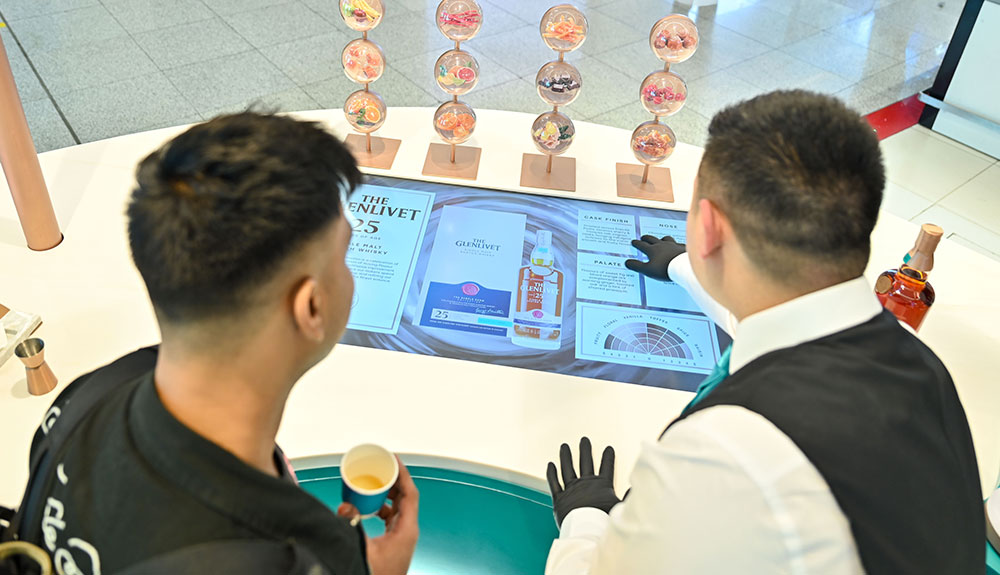
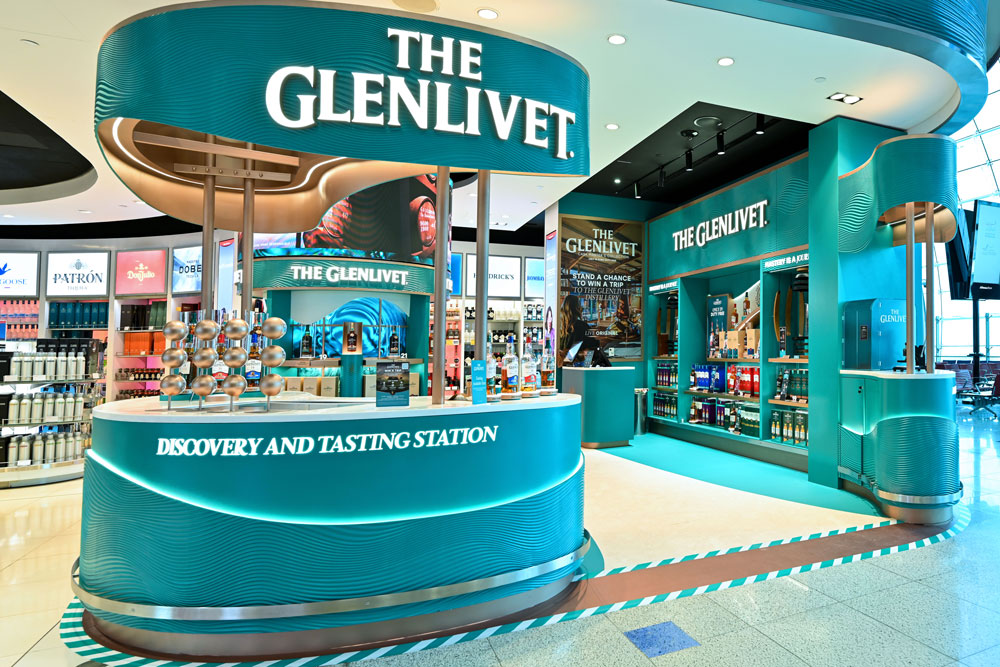
PR GTR and DDF’s co-produced immersive pop-up experience for The Glenlivet at DXB T3.
An immersive pop-up for the Speyside single malt whisky The Glenlivet at Dubai International’s T3 attracted 350 passengers in its first week.
Co-produced by Pernod Ricard Global Travel Retail (PR GTR) and Dubai Duty Free, and operational from 27 August to 31 October 2026, travellers can take a personalised whisky journey with the brand in Terminal 3 Departures Concourse A West.
This open-sided, teal-coloured zone is designed to reflect the waters of the River Livet, the source of the Scotch whisky’s “smooth character”.
Inside, passengers are welcomed by brand ambassadors and taken on a personalised tour of the travel-retail range and expressions, including the Cask Master’s Collection, the Regional Exclusive 12 Year Old Rum Cask, the ultra-prestige 40 Year Old and the limited-edition Dubai Duty Free Exclusive 35 Year Old, of which only one bottle remains.
With a tailored tasting ritual, incorporating an inlaid display screen and an iPad questionnaire, there has been +56% conversion to sales in response to sampling the 14, 16 and 19 Year Old expressions from The Cask Master’s Collection, in particular, according to PR GTR.
Image Credit: Pernod Ricard Global Travel Retail
Travellers can learn about each of The Glenlivet liquids at the digital discovery table.
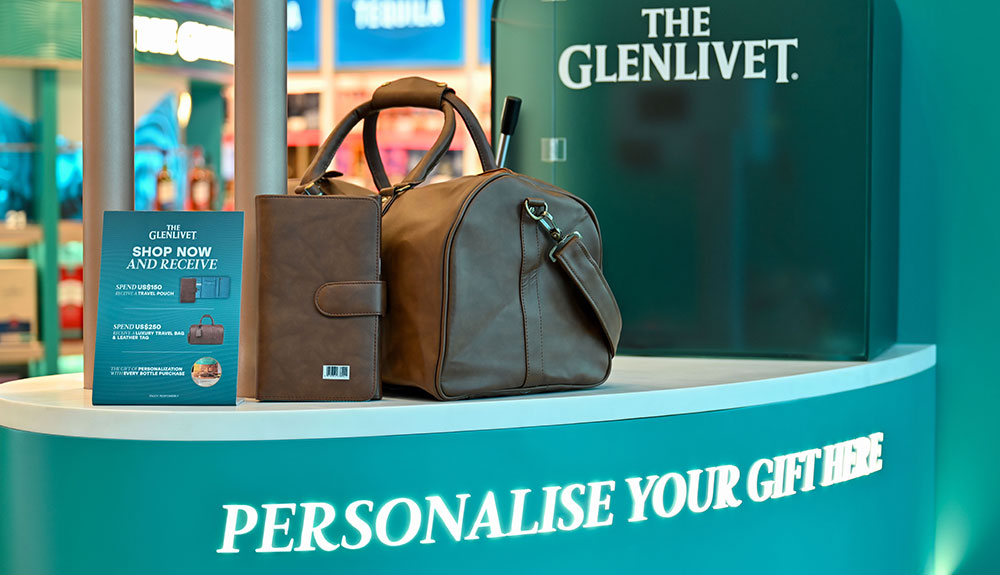
Buoyed by on-shelf and on-screen cross-promotion within the concourse, a brand boutique page on Dubai Duty Free’s website, personalised gifts with purchase, and a prize draw to win a VIP trip to Speyside with The Glenlivet, the activation is off to “a flying start”.
Image Credit: Pernod Ricard Global Travel Retail
Bottles can be engraved at the dedicated personalisation station and the travel bag luggage tag embossed with their initials.
Pernod Ricard Middle East Managing Director Asli Tekes said: “We are delighted to have created this pop-up with our longstanding partners at Dubai Duty Free. Designed to respond to growing demand for premium single malt whisky, particularly among travellers from the Indian subcontinent, the experience brings The Glenlivet to life through discovery, tasting and personalisation.
“It reflects our shared ambition to elevate the traditional retail experience while supporting consumer engagement and premiumisation, and underlines the strategic importance of global travel retail in building The Glenlivet brand.”
Image Credit: Pernod Ricard Global Travel Retail
The Dubai Duty Free pop-up showcases The Glenlivet Cask Master’s Collection – a travel retail exclusive range launched in October 2025 that features 14, 16 and 19 Year Old expressions.
Dubai Duty Free Managing Director Ramesh Cidambi added: “It is our pleasure to partner with Pernod Ricard again after the success of the Royal Salute Boutique in 2024 and 2025. With the focus on The Glenlivet’s superb Malts collection, this pop-up is sure to be of great interest to our discerning consumers, especially in the run-up to Diwali.
“The premium finish, warm ambience and discovery-led retail offer is on point and is exactly what makes Dubai Duty Free stand out from its competitors.”
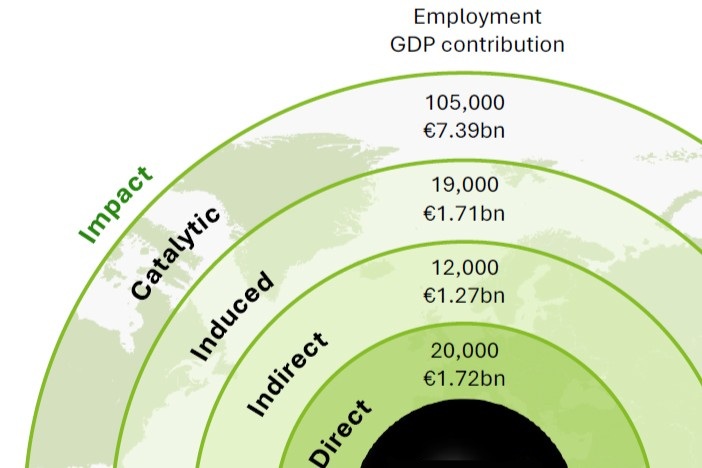
The wider economic impact of travel retail in Germany in 2026.
Germany is missing out on the potential of the travel retail channel, according to a new report. While the German market is expected to generate a direct economic impact of approximately €1.72bn ($1.97bn*) in 2026, rising to €2.35bn ($2.71bn) by 2030, this growth in travel retail is projected to remain below the European travel retail average.
This is according to a joint study from Germany’s travel retail association, Deutscher Travel Retail Verband (DTRV), and management consultancy Deloitte, which calls for a more modern regulatory framework to unlock the full potential of the channel, described as “a strategic industry”.
Travel retail in the European Union’s (EU’s) largest economy supports around 20,000 jobs. However, when wider supply chain, employee-spending and connectivity-related effects are included, the sector is associated with an estimated €12.09bn in economic value and 156,000 jobs across the German economy. These are among the key findings of the study titled The Economic Impact of Travel Retail – How Germany Can Maximise Its Potential.
“Beyond direct sales and jobs, airports, regional value chains, and Germany’s position as an international business hub benefit from this sector,” said Anna Krug, Partner at Deloitte. “The findings suggest that a coordinated collaboration among all stakeholders in the ecosystem could promote further growth, investment, and connectivity.”
Image Credit: DTRV
DTRV President Richard Hoyer: “Across the world’s leading aviation hubs, policymakers understand that a successful travel retail sector is an essential component of airport competitiveness.”
Travel retail’s value in the aviation ecosystem
The study doubles down on a recognised facet within aviation: travel retail plays a vital role in the financial resilience of airports. Revenue generated through commercial activities provides airports with resources to invest in terminals, customer experience, digitalisation, sustainability projects, and operational efficiency. DTRV states: “More than 30% of retail revenue generated by airport retailers flows directly back to airports, helping finance critical infrastructure investments.”
DTRV President Richard Hoyer says: “Across the world’s leading aviation hubs, policymakers understand that a successful travel retail sector is an essential component of airport competitiveness. It drives investment, supports economic growth, and helps ensure the sustainable financing of airport infrastructure.” In other words, travel retail should be regarded as a strategic instrument for economic growth, airport financing, and international connectivity.
Brand value
The report also highlights travel retail’s role as a ‘shop window’ for brands, with airports providing access to prized international consumers at a time when they are receptive to discovery, trial, and purchase. DTRV argues that the industry “enables global and local brands alike to build awareness and create lasting customer relationships”.
According to the study, the channel enables German brands to increase their international visibility by reaching global travellers and gaining consumer insights. The report emphasises the significant exposure opportunity for local and regional products to reach global audiences, as highlighted by Gebr. Heinemann’s new stores in Iceland’s Keflavík Airport (KEF).
From a home market perspective, Hoyer emphasises: “Whether it is a global premium brand or a local producer from a German region, travel retail offers a unique opportunity to reach international consumers. It is one of the most effective ways to tell our story.”
Barriers to growth and a call to action
The report identifies several structural barriers in Germany that limit competitiveness, including regulatory restrictions, lengthy approval processes, and fiscal policies that are less favourable than those found in many other European and international markets. Examples include the EU residence principle, export-related restrictions, and the €50 de minimis threshold for airport VAT-free exports.
As a result, DTRV is calling for a more tailored and competitive regulatory framework that reflects the specific nature of travel retail to enable the sector to contribute more strongly to Germany’s economic and aviation ambitions. The study concludes that unlocking the full potential of travel retail will require coordinated action from policymakers, airports, airlines, retailers, and brands.
CDFG has done a deep dive into the future of duty-free.
China Duty Free Group (CDFG) has signalled it will become less reliant on traffic in the duty-free equation as it concentrates on better value and better targeting of its enormous, and predominantly Chinese, travelling-consumer base.
The world’s second-largest duty-free operator (stock-exchange listed as CTG Duty Free) had sales of RMB53.7bn ($7.48bn*) in 2025, a -4.9% year-on-year (YOY) drop. To grow again, the company says ithas identified the trajectory of the duty-free industry’s future transformation – and is building long-term momentum accordingly.
CDFG confidently asserts that the “Chinese market is steadily becoming the growth pole with the strongest certainty in the global duty-free and travel retail market”. If that plays out, as the top player in the market controlling nearly 80% of China’s duty‑free business – and despite the arrival of major competitors like Avolta – the company believes it is best positioned to consolidate its competitive edge.
The retailer will leverage the spending data of 62 million loyalty members (three times more than Club Avolta); its partnerships with more than 1,600 global brands; and a mature omnichannel operation to drive growth as set out in its 2025–2026 consumption white paper. The report interprets consumer trends, category evolution landscapes, and how the duty-free channel is transforming.
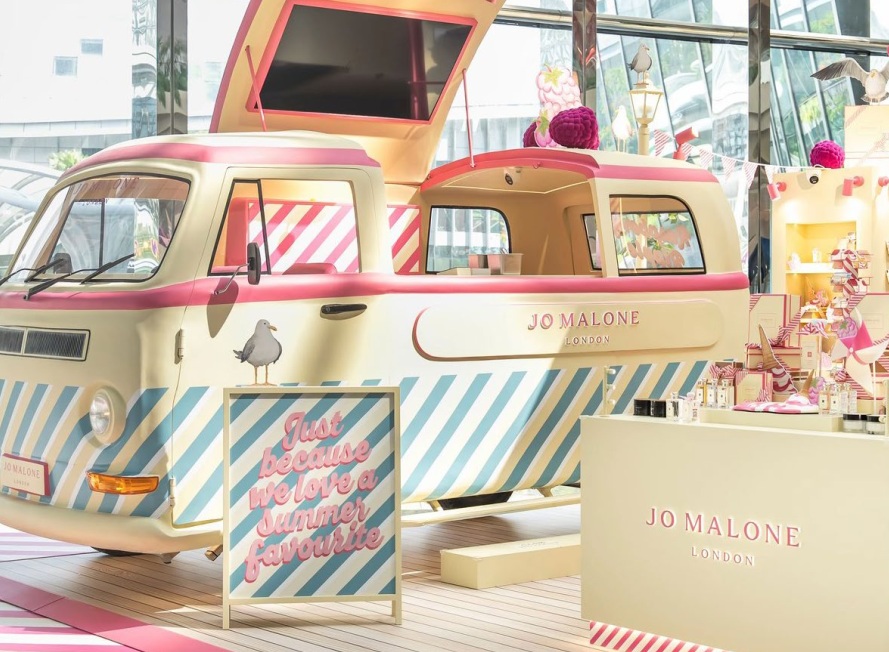
Strong immersive activations like this one from Jo Malone will be a core part of the offer.
“A critical turning point of recovery”
This year marks the intersection of the completion of China’s 14th Five-Year Plan and the launch of the 15th. At the same time, CDFG notes: “The global duty-free and travel retail market has reached a critical turning point of recovery and quality upgrading. The underlying logic of industry growth is undergoing profound restructuring.
“Consumer experience is emerging as a new engine, and competition has escalated from single-dimensional price competition to an all-dimensional contest across customer operations, brand resources, supply chain efficiency, and scenario experience.”
CDFG believes that China’s travel retail sector is entering a decisive new cycle, driven not by passenger volume alone but by a structural shift toward value creation, experiential consumption, and AI‑enabled decision‑making – elements that are already apparent in several regions.
Macro indicators could make the difference
While China continues to suffer from employment issues and a continuing property downturn, the country’s economic recovery looks more sustainable, which is necessary for travel retail expansion given its reliance on domestic shoppers.
GDP surpassed RMB140 trillion (>$20 trillion) in 2025 for the first time, disposable income rose +5%, and consumer confidence has risen. Tourism has rebounded sharply with domestic trips reaching 6.52 billion, and outbound travel hitting 170 million, up +15% YOY. Foreign arrivals grew +30.5% in 2025, helped by more countries being added to the visa‑free list, which continues to be expanded.
Image Credit: CDFG
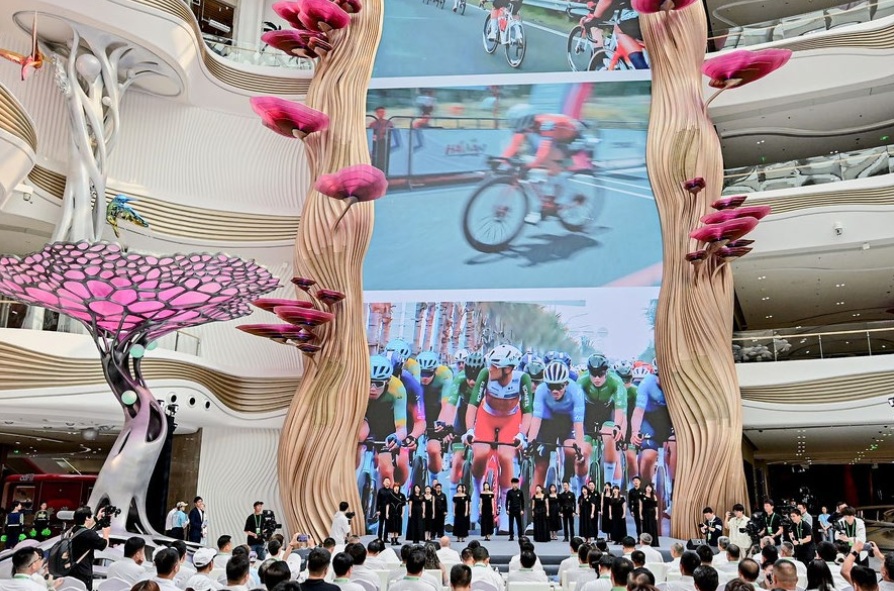
Sports events and sports brands have been identified as growth opportunities.
Hainan’s Free Trade Port is another growth engine, with visitor numbers exceeding 110 million and spending topping RMB225bn. The island’s customs‑closure operation and upgraded offshore duty‑free rules have unlocked new consumption from departing travellers and island residents.
These macro events have prompted CDFG to take stock and distill the three core forces reshaping consumption:
K‑shaped divergence – High‑net‑worth (HNW) customers remain resilient, anchoring luxury categories such as jewellery, watches and haute couture. Meanwhile, middle‑class consumers have become more rational, prioritising essentials, value, and trial experiences.
Experience as the new ROI – Emotional fulfilment and experiential value now outweigh pure price considerations. HNW shoppers demand exclusivity and privacy; younger consumers seek themed, interactive brand activations; and interest‑based groups want immersive spaces aligned with their passions. Retailers are responding with premium services, pop‑ups, and experiential zones such as CDFG’s Whisky Museum.
Image Credit: CDFG
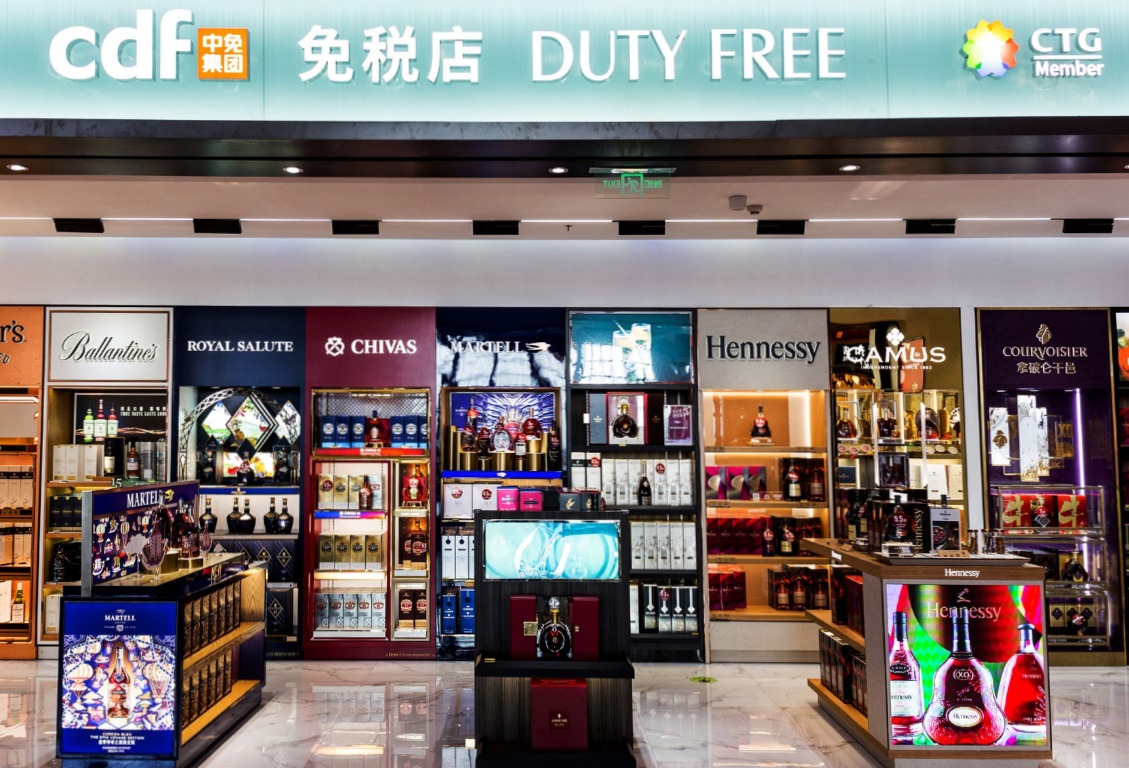
CDFG’s store at Sanya Phoenix Airport.
AI‑driven decision‑making – According to the paper, 64% of Chinese consumers have already used AI tools to assist with luxury purchases, shifting behaviour from search‑based to ‘conversational’ commerce. Virtual try‑ons and AI‑powered suggestions are also accelerating conversion.
A customer base that is changing
CDFG’s user base hit 120 million in 2025, half of whom are members and therefore supplying rich data to the retailer. High‑tier members remain the spending backbone: Gold Card and above members grew +12% YOY. Lower‑tier city penetration is accelerating, with new tier‑3‑and‑below members doubling in 2025. Foreign users grew +42%, with repeat purchases up +49%, signalling rising recognition of Chinese brands among international travellers.
At the category level, perfumes and cosmetics remain the anchor, but strong momentum is coming from jewellery and gold, accessible luxury, consumer electronics, outdoor sportswear, health and wellness, and whisky. CDFG is therefore expanding high‑potential categories, launching limited-edition merchandise, and incubating private labels.
Building a long-term “competitive moat”
CDFG believes its customer and channel reach is unmatched and that it will protect its advantage going forward, moat-like. The retailer claims to have the world’s most comprehensive duty‑free network with around 200 shops across nine formats.
In 2025–2026, the company has been strengthening every channel. For example, in Hainan, CDFG has deepened its ‘duty‑free + cultural tourism’ agenda with integrated shopping‑leisure‑experience spaces, and in airports it has had major concession wins at Beijing Capital (PEK)T3, Shanghai Pudong (PVG) T2/S2, and Hongqiao (SHA), plus a new cooperation model at Lanzhou Airport (LHW).
In downtown, the retailer is now active in 13 major cities, running hybrid ‘duty‑free + duty‑paid’ and ‘offline + online’ retail models, with each platform building its own online ecosystem to expand its orbit. Additionally, CDFG’s acquisition of DFS’s Hong Kong and Macau retail businesses in March 2026 will strengthen the company’s global capabilities, and more acquisitions should not be ruled out.
* FX conversion at the average rate in 2025 of RMB 7.1839 = USD1.00.
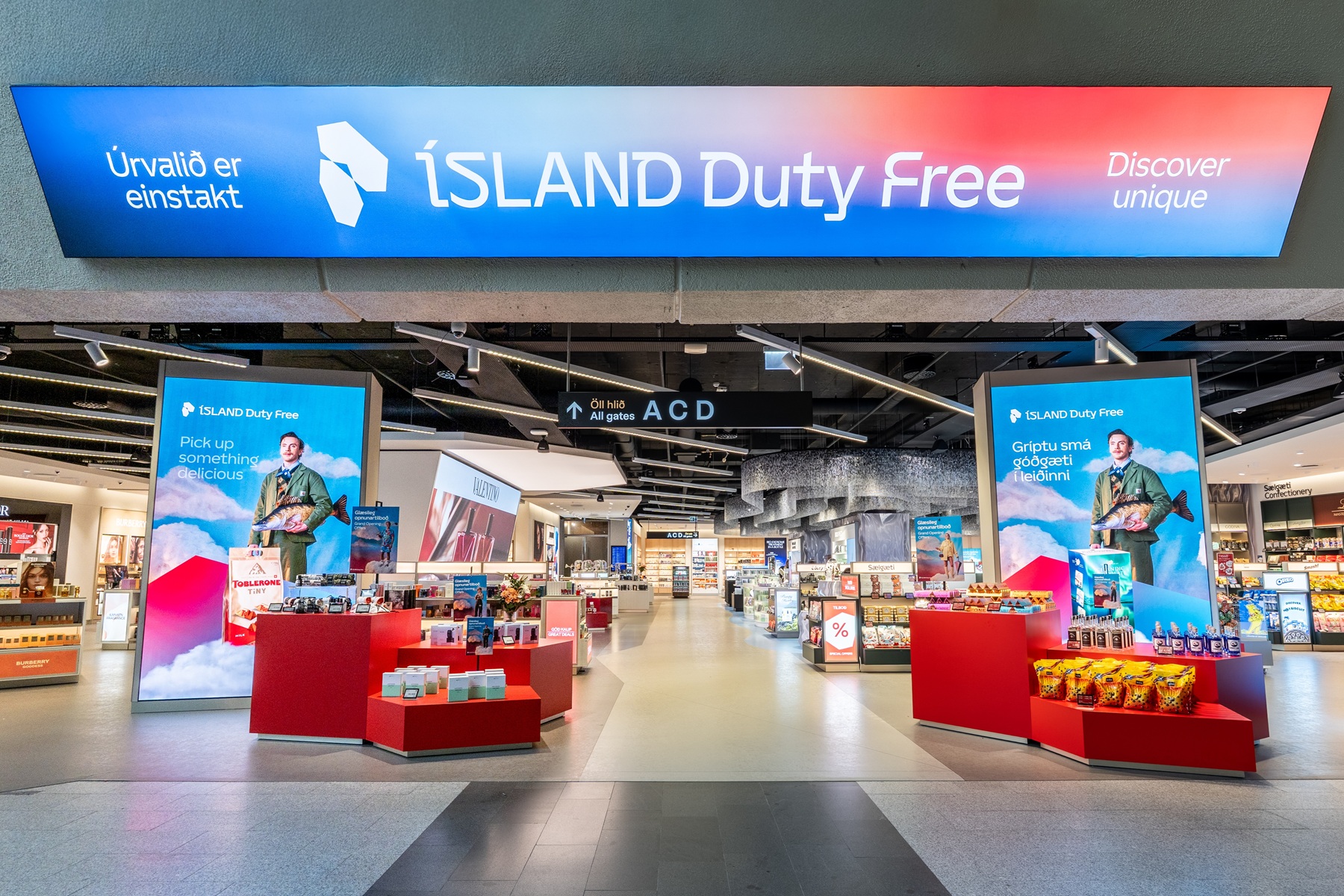
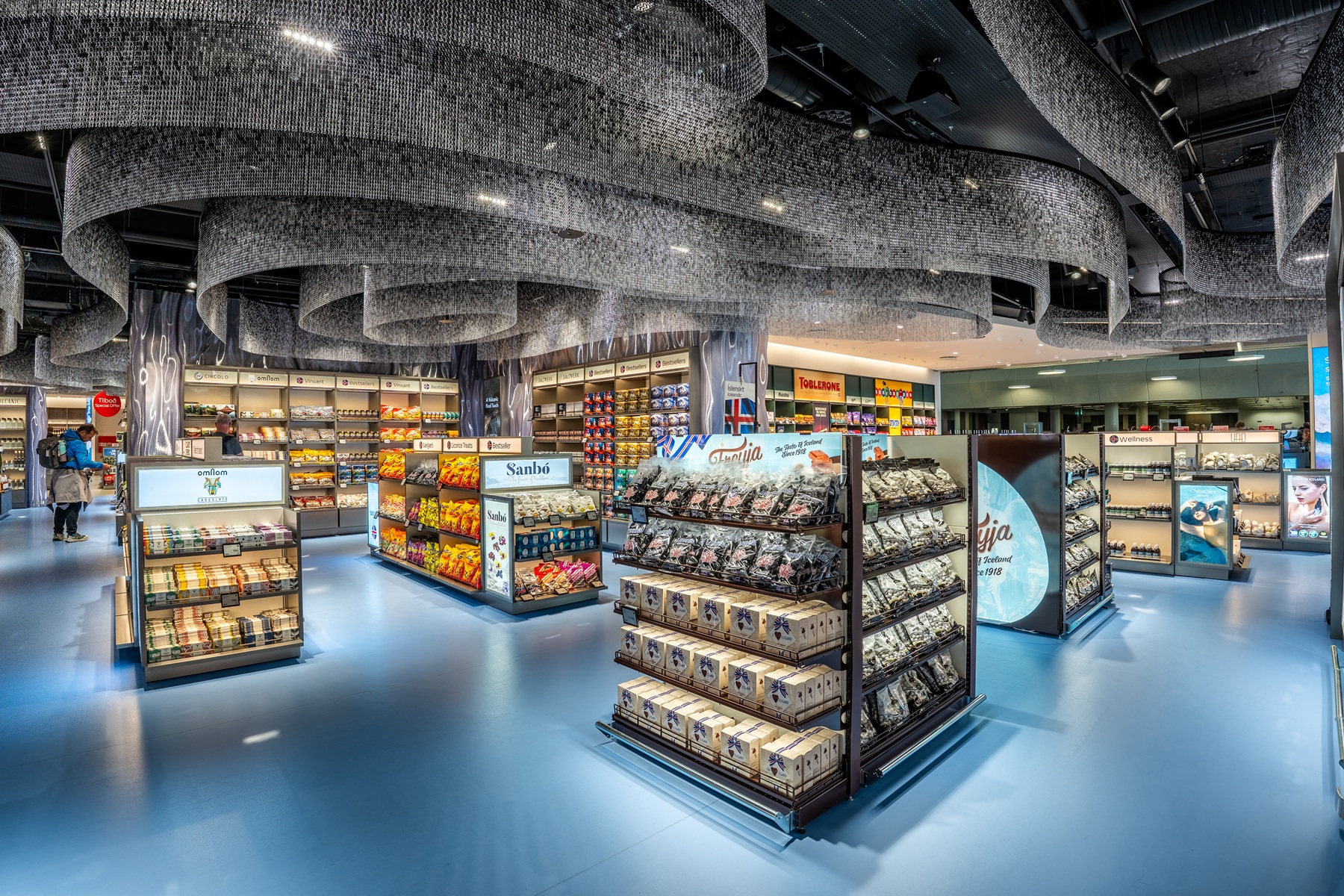
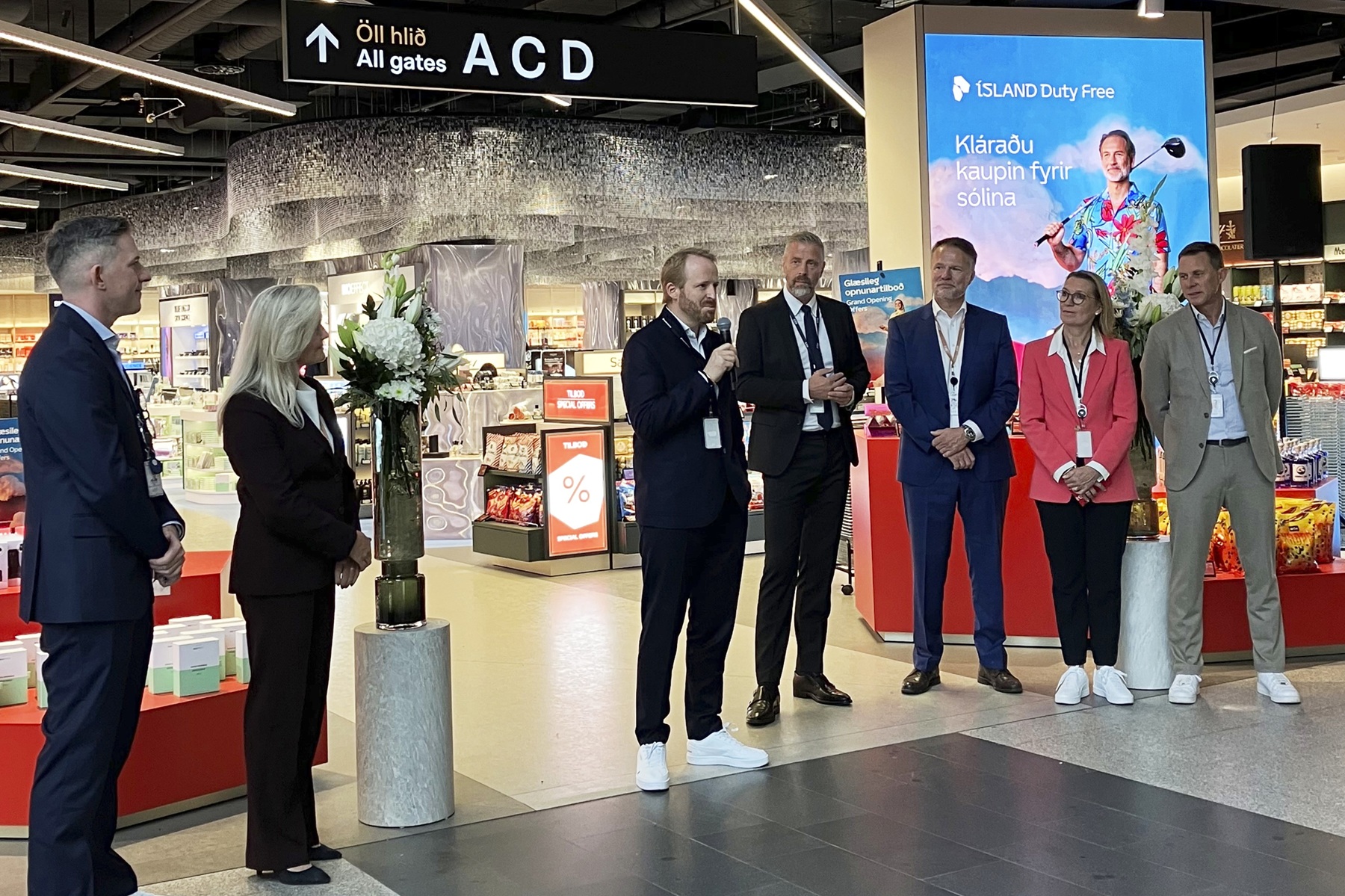
Germany’s Gebr. Heinemann – together with state-owned Isavia, the operator of Iceland’s Keflavík Airport (KEF) – today unveiled the new-look Ísland Duty Free concept at the gateway. It draws on the country’s distinctive landscape, while local brands have hit a new high with a 30% share of the portfolio. For comparison, the average in Germany is below 10%.
Iceland is effectively a new market for Heinemann within its Nordics business unit, although, as Max Heinemann, Co-CEO of the global travel retailer, remarked in a press conference this morning: “In 1953, Loftleiðir (a precursor of Icelandair-Ed) became the first airline client for our inflight distribution business.”
More than 70 years later – and after a competitive tender process (signalled pre-pandemic) – the Hamburg-based business has established itself at KEF with the opening of Ísland Duty Free – Ísland being the Icelandic word for Iceland. The offer spans approximately 4,000sq m, according to Jens Wolf, Director Sales Nordics at the travel retailer.
Berglind Snæland, Isavia’s Commercial Director, said: “We are pleased to see the ideas from the tender process brought to life. The new shops offer travellers a much-improved experience with better orientation, a stronger selection, and an authentic sense of Iceland.”
Heinemann operates three retail spaces at KEF: a departures store of approximately 1,600sq m, an even larger arrival shop of about 2,000sq m – reflecting the traditional high spending on liquor by Icelandic nationals when returning home, and a gate unit. All three offer the four core duty-free categories of beauty, liquor, tobacco, and confectionery, as well as fashion, accessories, gifting, and convenience products.
In total, depending on the season and on day-to-day peaks, between 120 and 160 staff work across the shop floor, logistics, and back-office functions.
Image Credit: Gebr. Heinemann
Sea of blue and an aurora/geothermal steam effect: how local brands are being showcased in departures.
Ísland local heroes to the fore
Of the total retail space, more than 370sq m is dedicated to Icelandic products and their narratives. Four personalised Icelandic brand environments give local producers spaces to share their stories with international travellers, strengthening the visibility and communication of Icelandic craftsmanship.
Responding to a question during the press conference from TRBusiness on the high local brands share and whether it was intentional or an organic development, Heinemann’s Chief Commercial Officer Inken Callsen replied: “Our ambition was to have at least 20% local brands, and we achieved 30%. This share is well above what we have elsewhere. Germany, for example, is below 10%, although we have a stronger regional approach in places like Hungary or Vienna. The second-highest share for regional and local products is in Italy with 24%.”
She added: “It’s not just about the percentage; it is also about showing the Icelandic identity and bringing the right feeling into the store to make it more relevant to the traveller. This way we believe we can convert more tourists into customers. It is a new benchmark in the industry. Within beauty, three Icelandic brands are in the top ten bestsellers, which is amazing.”
Icelandic salt – typically geothermal sea salt – is in demand on the island, and a new segment for Heinemann. Wolf explained that the localisation agenda doesn’t extend to just one or two categories. “It’s skincare, confectionery, spirits and so on,” he said. “The suppliers here are very much involved and even with the smaller ones, the owners are coming here (to the airport) to do training and tastings. It’s a very close collaboration, and we’re looking forward to strengthening that even more.”
Image Credit: Gebr. Heinemann
Max Heinemann addresses journalists at the departures store flanked by Isavia’s CEO, Sveinbjörn Indriðason, and other VIPs.
At the same time, Ísland Duty Free has brought major international brands to the country and in some cases, particularly in niche beauty, certain introductions are ‘firsts’ for the Icelandic market. Korean beauty brands and Bath & Body Works are two examples. New sunglasses brands will also be integrated into the existing eyewear space from November.
Design – another lure for tourists
In departures, an open shopfront offers easy access and orientation through the categories. At the heart of the store is a regional area developed together with Icelandic firm Basalt Architects in a setting that includes a milky blue floor reminiscent of the famous Blue Lagoon, a ceiling installation evoking geothermal steam, and 3D-printed sculptural elements.
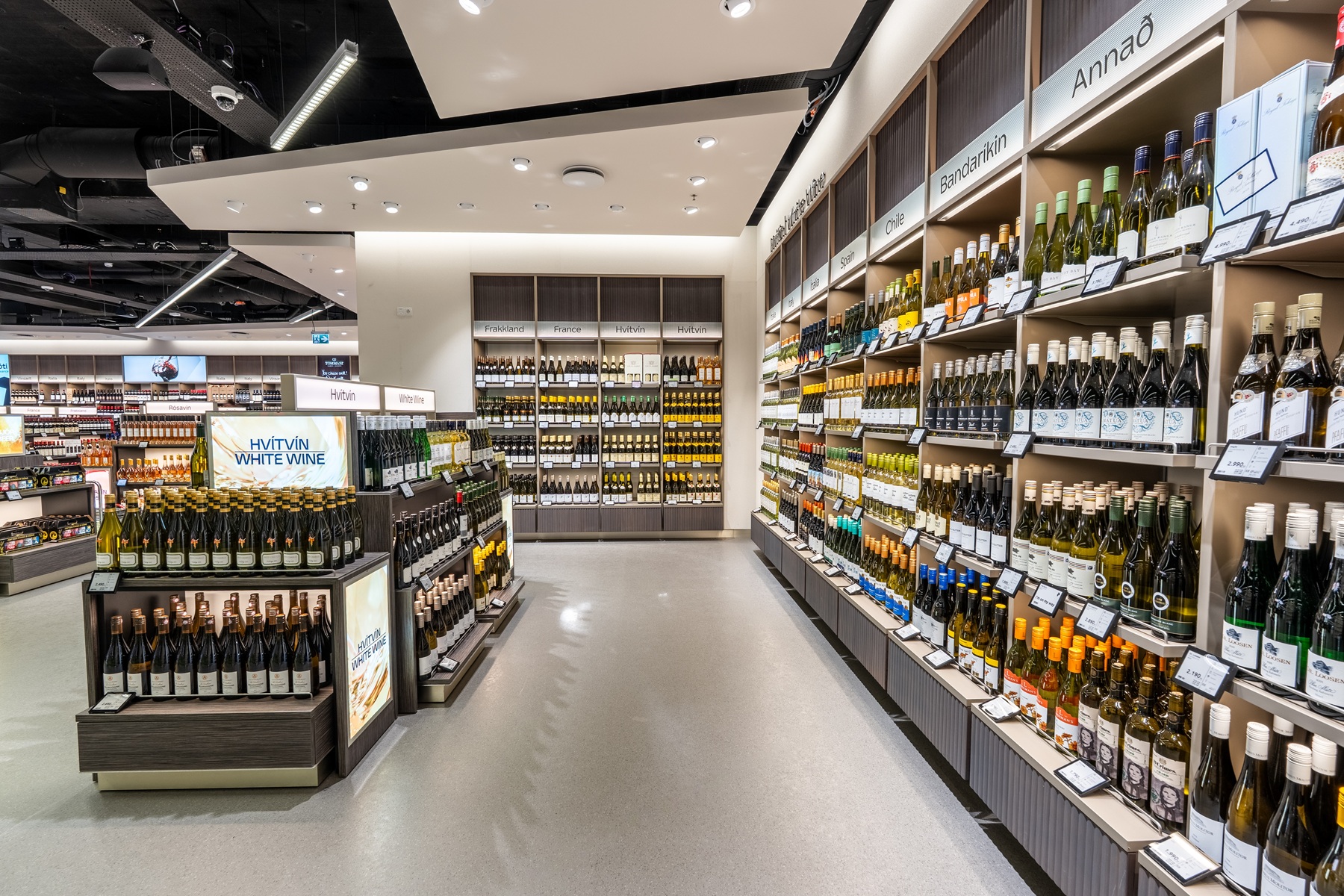
The arrivals shop, by contrast, targets mainly returning Icelanders and is designed for speed, clarity, and convenience, with clear communication on allowances and a broad assortment led by liquor. Across both shops, self-checkout, digital shelf labels, click-and-collect services, webshop integration, a loyalty programme, and interactive product discovery tools are offered as part of the experience.
Image Credit: Gebr. Heinemann
Ísland Duty Free has a large wine offer in the arrivals store.
Sustainability was also integrated into the retail concept from the beginning. The regional fixtures are produced using 3D robotics from Spain’s Nagami and made from recycled plastic. The stores use recycled materials such as Omexco Minerals wall coverings made from recycled paper and fine mica.
Turning the page at Keflavík Airport
Max Heinemann, Co-CEO of Gebr. Heinemann, said: “With Ísland Duty Free, we are opening a new chapter for travel retail at Keflavík Airport. We are grateful for Isavia’s trust and proud to bring our international expertise to Iceland.”
Given KEF’s role as a connecting hub for Icelandair, the retail experience is one element that can persuade travellers to transit through the airport. Sveinbjörn Indriðason, CEO of Isavia, said: “At Keflavík we connect the world through Iceland, and the experience we offer here matters. A strong duty-free offering plays an important role in the airport’s competitiveness. With Heinemann’s industry knowledge and expertise, we look forward to further enhancing the customer journey while creating value for Icelandic brands and the country as a whole.”
To mark the opening, Ísland Duty Free is presenting exclusive travel retail editions and promotions, including a limited “Hæ from Iceland” Toblerone and a dedicated Blue Lagoon Skin Science special offer for the launch, available only at the airport.
Duty- and tax-free shopping continue to account for more than one-third of total retail revenue at London Gatwick.
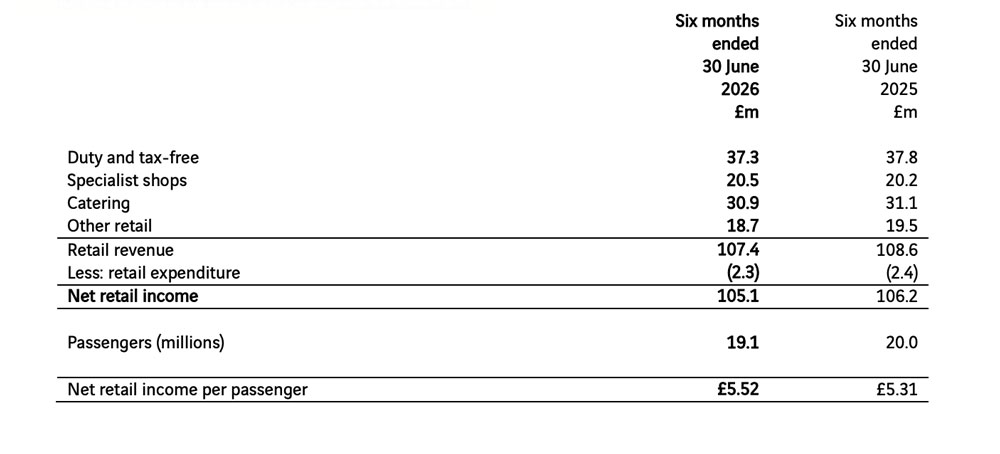
London Gatwick (LGW) retail revenue for first half of 2026 reached £107.4m, representing a decrease of £1.2m (1.1%) compared to the same period in 2025.
The company reports that the result reflects a 4.7% drop in passengers, partially offset by strong trading performance, and that net retail income per passenger increased by 4%.
Key updates influencing the results period include upgrades to the South Terminal departure lounge which took place in the second half of 2025, following the refurbishment of the North Terminal departure lounge in 2024.
These have ‘enhanced the passenger experience and positively impacted underlying retail revenue this year’, says the hub.
The continued diversification of the passenger mix with the introduction of new routes (the airport currently serves 231 destinations through more than 60 airlines) especially to Africa and Southeast Asia, contributed to higher duty- and tax-free shopping spend per passenger, according to LGW, with the segment continuing to account for more than one-third of total retail revenue.
Image Credit: Gatwick Airport
GATWICK AIRPORT FINANCE PLC. Report and Unaudited Condensed Interim Consolidated Financial Statements for the six months ended 30 June 2026.
Specialist shops grew by 1.5% reflecting the contribution from new brands that opened towards the end of 2025 such as Pandora, Venchi and Discover London.
The airport does note, however, that ‘since the start of the year we observed an emerging trend following the relaxation of certain security rules on liquids’.
‘This has negatively impacted the sales of drinks and other beauty products (including suncreams and shampoos) compared with the prior period’, it relayed in the financial statements.
Catering also remains a key category. While revenue was 0.6% lower in the first half of 2026, spend per passenger increased by 3.8%. The opening of Gail’s, in September 2025, reportedly ‘significantly contributed to this increase’.
Other retail decreased by £0.8m. This was ‘mainly due to lower bureau income, in line with wider sector trends, and reduced demand for certain products, such as Fast Track passes’.
Looking aead, Gatwick is set to enhance the offer with new F&B outlets in both terminals opening in the second half of the year including salad chain Tossed opening in the North Terminal, and a new Fever Tree bar located in the South Terminal International Departure Lounge.
Image Credit: Gatwick Airport
GATWICK AIRPORT FINANCE PLC. Report and Unaudited Condensed Interim Consolidated Financial Statements for the six months ended 30 June 2026.
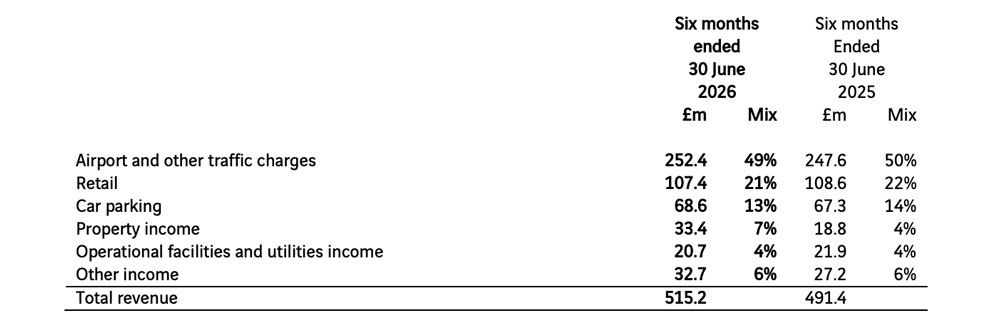
The retail revenues figures form part of the overall picture of Gatwick’s total revenue for the six months ended 30 June 2026 reaching £515.2m – an increase of £23.8m (4.8%) compared with the same period in 2025. EBITDA increased by 5.5% to £276.5 million.
However, 2026 includes two large one-off items that are unique to 2026, according to the company. One relates to the early termination of a property lease after the tenant upgraded to a larger facility, and the other compensation relates to construction delays in connection with a capital project. These total £16.5m of revenue.
Adjusting for this, underlying revenue increased by £7.3m (1.5%) against a backdrop of a 4.7% decline in passengers.
Excluding the impact of these one-off items, the revenue mix ‘remained broadly consistent year-on-year’ states the hub.
Airport and other traffic charges income represents around half of total revenue, with retail being the next largest category.
While passenger numbers were impacted by the conflict in the Middle East, demand for travel remains strong, as evidenced by the launches of services operated from seven new carriers, including Jet2, Air France, Condor and Eurowings, and a significant increase in the number of carriers serving the airport. A further two airlines – Air Zimbabwe and Air Arabia – also launched in the second half of this year.
Northern Runway Programme advances
The results come shortly after London Gatwick received final approval to move forward with the Northern Runway Programme, following the completion of an eight-year legal and planning process.
Pierre Hugues-Schmit, Chief Executive, London Gatwick said: “Despite a challenging geopolitical and economic backdrop, London Gatwick has continued to perform well, grow its network and deliver a world-class service for passengers.
“We are also excited about our longer-term growth opportunities and with the legal process for the Northern Runway Programme now complete, we can turn our focus from planning to detailed design work and delivery. This is one of the UK’s largest privately financed infrastructure projects and, alongside our existing £1.9 billion capital investment programme, demonstrates our confidence in Gatwick’s future and our commitment to continuing to invest in our infrastructure while supporting jobs, trade, tourism and the regional economy.
“As we look ahead, it is important that the wider policy environment continues to support businesses that are investing for the long term. In the build-up to the budget therefore, our key ask of Government is for a more stable and proportionate approach on key issues such as business rates, to ensure the UK aviation sector remains competitive and affordable for passengers.”
The airport’s £1.9 billion capital investment programme also continues to progress, with the £140m Pier 6 western extension remaining on schedule for completion in early 2027.
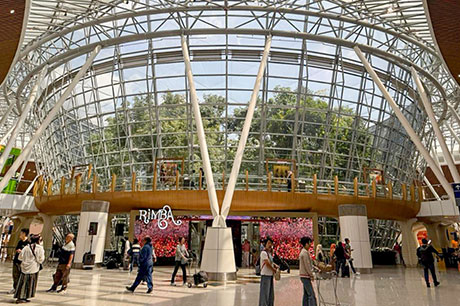
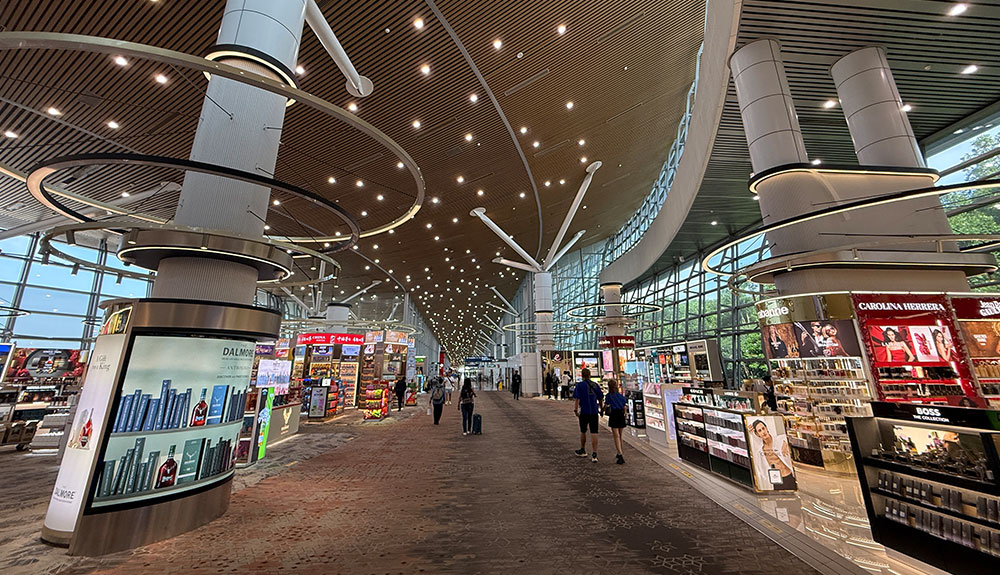
Malaysia Airports has launched a Request for Information (RFI) as part of a strategic review of its duty-free retail as it looks at how airport retail can better respond to changing passenger expectations and shopping behaviours.
Malaysia Airports has launched a Request for Information (RFI) as part of a strategic review of its duty-free concession model.
The review will assess potential approaches to delivering ‘a more distinctive and relevant retail experience’, with greater product differentiation and choice that better reflects current travel and shopping patterns, according to the company.
The RFI is in response to changing passenger expectations and shopping behaviours. As such, rather than beginning with a predetermined concession structure, Malaysia Airports has set the scene by defining the experience it wants to create, and identifying the model best suited to deliver it.
In order to do this, Malaysia Airports initiated an independent benchmarking exercise against regional and international airports, which has identified opportunities to strengthen the existing model and highlighted alternative approaches to further enhance the passenger retail experience.
Building on these findings, the operator’s Request for Information (RFI) is designed to gather market perspectives and better understand different commercial and operating models, industry capabilities and investment appetite as a way to move forward.
“Following the recently issued RFI for our airport advertising estate, this review extends our focus to another important part of the commercial environment,” said Malaysia Airports Managing Director Dato’ Mohd Izani Ghani.
“While each area has different requirements, both exercises reflect our wider effort to ensure that commercial offerings contribute meaningfully to the airport experience.
“This is why we are taking an evidence-led approach. We have benchmarked different models internationally, and the RFI allows us to test those findings against market insights and industry capabilities. That will give us a stronger basis to determine what is right for our passengers and our airports over the long term.”
Image Credit: Malaysia Airports
Malaysia Airports Managing Director Dato’ Mohd Izani Ghani said the review forms part of the airport operator’s wider effort to ensure its commercial offerings contribute meaningfully to the overall passenger experience.
Malaysia Airports underlines that the RFI is a market-sounding exercise and not a procurement process. Similarly, it states that no decision has been made on the future concession model or whether Malaysia Airports will proceed with any subsequent procurement exercise.
Incumbent duty-free concessionaires have been engaged throughout the review process whereas individual engagements were followed by a joint dialogue session to explain the objectives and approach of the RFI, provide clarity on the process and give operators the opportunity to raise questions and share their perspectives, according to the operator.
The findings from the RFI will be assessed alongside the benchmarking results and other relevant considerations before management develops its recommendations to the board. Furthermore, any future recommendations will be guided by data and market insights, with the passenger experience remaining the primary consideration.
Malaysia Airports said it will continue to engage relevant stakeholders throughout the process and conduct the review in a fair, transparent and objective manner.
Interested parties are invited to submit their responses electronically in both PDF and Excel (Financial) format to the Strategy and Development Unit. See the details below…
Request for Information Submission Details
Submission deadline: 2 October 2026, 5.00 pm MYT
Submission method: Electronic submission in PDF and Excel (financial) format to the Strategy and Development Unit.
The retail space will grow to around 3,800 square metres.
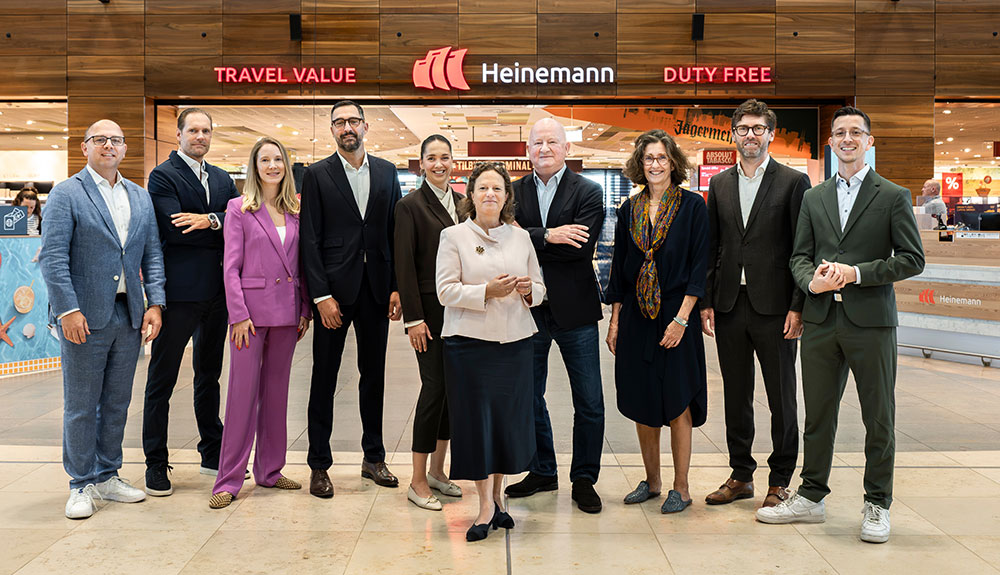
Travel retailer Gebr. Heinemann has extended its contract with Berlin Brandenburg Airport (BER), laying the foundation for a significant expansion of the Duty Free and Travel Value offer in the security area of Terminal 1.
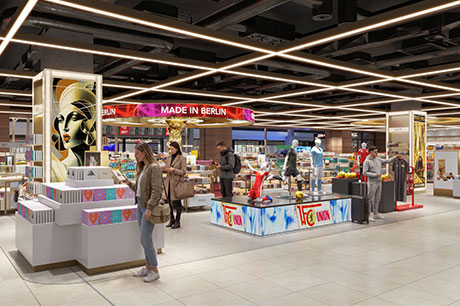
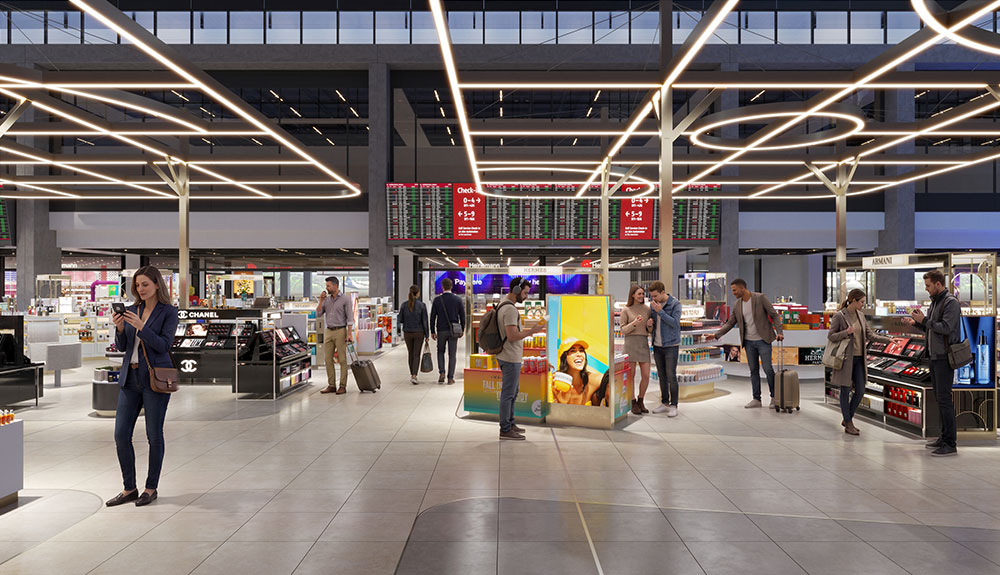
As part of the further development of the market place behind security, the retail space will grow to around 3,800 square metres.
The redesigned market place will combine an expanded shopping offer and a food and beverage area with a direct view of the apron, giving travellers a place to spend time close to the Duty Free and Travel Value area while observing airport operations.
“The extension of our partnership with Berlin Brandenburg Airport is a strong sign of mutual trust,” said Florian Seidel, CSO, Gebr. Heinemann.
“For Gebr. Heinemann, the agreement underscores our commitment to developing airport retail concepts that are closely tailored to the needs of travellers. At BER, the planned expansion gives us the opportunity to create a future-oriented retail environment that combines a targeted product offering with greater convenience and an overall enhanced passenger experience.”
Image Credit: Gebr. Heinemann
The project is said to underline the shared ambition of Gebr. Heinemann and Berlin Brandenburg Airport to ‘create a more attractive, convenient, and experience-driven environment for international passengers at BER’.
Added Steffen Jopp, Managing Director Gebr. Heinemann at BER: “The expanded space will allow us to introduce new concepts and create a more inviting atmosphere that encourages travellers to spend time in the market place.
“We are particularly pleased that the new retail areas will be complemented by food and beverage options and further enhancements, creating a more enjoyable experience for all passenger groups.”
The airport is also adding a number of further enhancements designed to improve the overall passenger experience and reinforce its role as a central point of orientation and a hub for travellers.
Image Credit: Gebr. Heinemann
The redesigned market place will combine an expanded shopping offer and a food and beverage area with a direct view of the apron.
“In conjunction with Gebr. Heinemann, we are investing in the future and consistently developing the market place as the centrepiece of our terminal,” said Aletta von Massenbach, CEO Flughafen Berlin Brandenburg GmbH.
“By way of the redesign, we are creating more space for people to linger, expanding the range of facilities for passengers and opening up the area more towards the apron. This creates a further attractive area uniquely combining shopping, restaurants and the airport experience. BER’s travel experience will, therefore, be noticeably enhanced.”
The transformation will be carried out in several construction phases and is scheduled for completion by the end of 2028. Passenger and retail operations will continue without restriction throughout the construction period.
South Korean travel retailer, Hyundai Duty Free, has delivered a strong second quarter, with operating profit rising sharply – and expected to climb further this year. The results come on the back of the opening of the new DF2 zone at Incheon International Airport (ICN) and rising foreign tourist traffic, which helped the retailer’s downtown business.
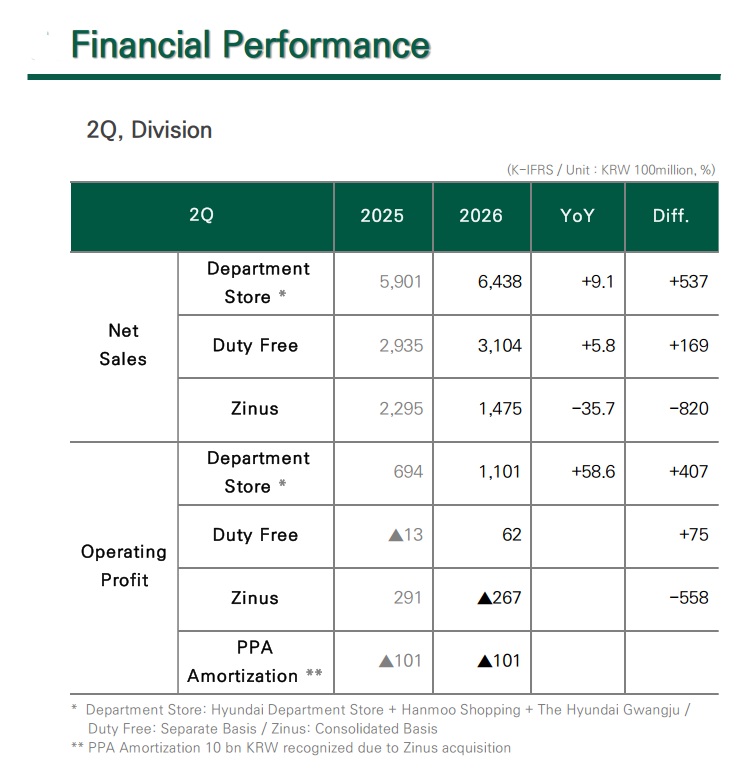
According to a financial presentation released earlier this month by listed parent company Hyundai Department Store (HDS), 100% owned Hyundai Duty Free (HDF)generated net sales of KRW310.4bn ($225.4m*), up +5.8% year-on-year (YOY). Operating profit roseby KRW7.5bn, which the retailer said was due to the successful opening of its new DF2 airport space and an improvement in margin of downtown duty-free operations.
HDS’s performance was even better in Q2, with net sales – roughly double that of the duty-free business – jumping by +9.1% (see table below). Driving the result were strong sales in fashion, luxury, home appliances and an “acceleration of foreign customer sales growth”.
Number one at Incheon Airport
Image Credit: Hyundai Department Store
Both HDF and parent HDS saw solid sales increases.
Hyundai says that with the DF2 opening on 28 April, it is now the number one duty-free retailer at ICN. The expansion strengthens both buying power and economies of scale, and is expected to lead to margin upside across both airport and downtown stores. This may be evident by the time HDS releases its Q3 results.
Hyundai Duty Free’s turnaround in operating profit has been impressive. Losses in the first two quarters of 2025 were flipped to profit in Q3, and with every subsequent quarter, OP growth has increased, with a sharp rise in Q2 2026. HDS has stated that it will continue targeting profit growth for its duty-free division.
While HDF saw Q2 net sales rise by +5.8% YOY, the first half saw a decline of -10.7% to KRW524.1bn ($380.8m). This indicates just how influential landing the DF2 concession from April has been for the travel retailer’s fortunes.
This website uses cookies and contains content relating to the tobacco and alcohol industry. Click here to view our cookie policy. By continuing to browse this site you are agreeing to our use of cookies, are aged over 18 and permitted to see tobacco and alcohol content intended for a business to business audience.

 Trbusiness. The travel retail Trbusiness. The magazine for global retail and duty free professionals.