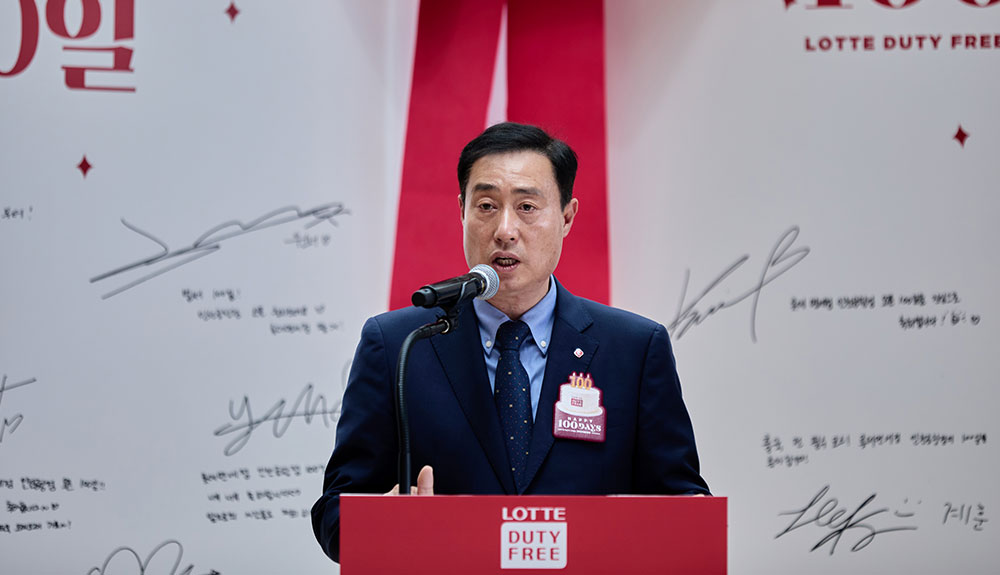
Kim Dong-ha, CEO of Lotte Duty Free (third from the left), Kim Chang-kyu, Head of Operations at Incheon International Airport Corporation (third from right) and global brand ambassadors Aespa at the ribbon-cutting ceremony on 16 July.
Lotte Duty Free held a special event in the departure hall of Incheon Airport Terminal 2 on 16 July to mark the 100-day anniversary of its new branch at the hub.
A variety of activities took place, such as ribbon-cutting and store tours, with company CEO Kim Dong-ha in attendance along with more key figures including Kim Chang-kyu, Head of Operations at Incheon International Airport Corporation and South Korean girl group and Lotte global ambassadors Aespa.
Passengers can take advantage of various promotions until 17 August, with the travel retailer hosting weekly giveaways of Pre LDF Pay for cosmetics, alcohol, and food purchases.
There is also a Lucky Seat event, which sees customers whose aeroplane seat number matches the lucky seat number at Lotte Duty Free receiving an exclusive LDF Pay of KRW50,000 to spend at the Incheon Airport branch. Those who aren’t so lucky can receive two types of travel pouches.
Additionally, customers who spend over $100 will receive a Lotte Duty Free model photocard (while supplies last).
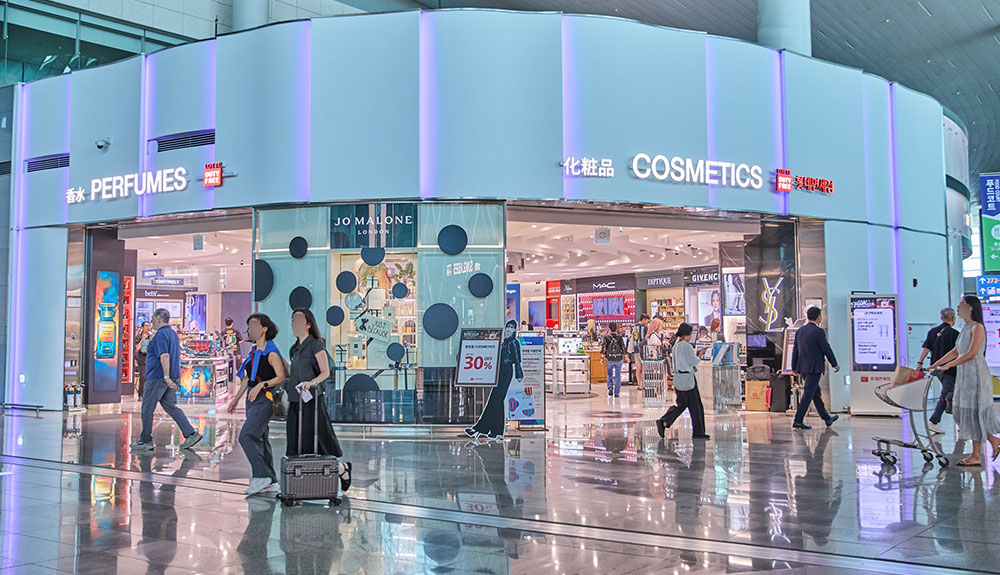
Lotte Duty Free returned to Incheon Airport in April following around a three year hiatus and currently operates 15 stores (offering approximately 240 brands) in the DF1 zone (cosmetics, perfumes/liquor, tobacco, food) in a space spanning 4,094 sqm. Lotte says the move is expected to increase the company’s annual sales by more than KRW600 billion.
Image Credit: Lotte Duty Free
Kim Dong-ha, CEO of Lotte Duty Free, delivered a congratulatory speech at the ceremony marking the 100th day since the opening of the travel retailer’s Incheon Airport operations.
International passengers at Incheon Airport reached approximately 32.41 million from January to May this year, representing a 7.3% increase compared to the same period in 2025, according to Incheon International Airport Corporation.
To capitalise on the upswing in traffic, Lotte Duty Free has a strategic pipeline of experiential content to enhance its brick and mortar presence and is committed to expanding its differentiated product lineup.
The latest example of this is the launch of the the BTS collaboration food brand ARIH and the Hennessy limited edition collection Hennessy X.O Spirit of Travel Seoul Edition which debuted exclusively in the domestic duty-free market.
Image Credit: Lotte Duty Free
Lotte Duty Free operates 15 stores covering a total area of 4,094 sqm at Incheon Airport.
Activations such as aromatherapy and liquor tastings are further helping to boost customer dwell time.
At the 100-day ceremony, CEO Kim Dong-ha said: “The successful establishment of the Incheon Airport branch is a meaningful achievement achieved through customer trust and close cooperation with Incheon International Airport Corporation.
“Lotte Duty Free will continue to set new standards for duty-free shopping at Incheon Airport based on differentiated product competitiveness and service.”
Image Credit: Lotte Duty Free
Lotte Duty Free global brand ambassadors Aespa, from left to right: Karina, Giselle, Ningning and Winter.
Lotte Duty Free operates a total of 18 stores in five overseas countries, including eight in Korea.
The transformation is of the duty-free shopping experience at Sydney Airport has been designed to resonate strongly with the hub’s core passenger demographics of the future.
Travel retailer Heinemann has agreed a joint initiative with Sydney Airport to transform the international duty-free shopping experience at the Australia hub.
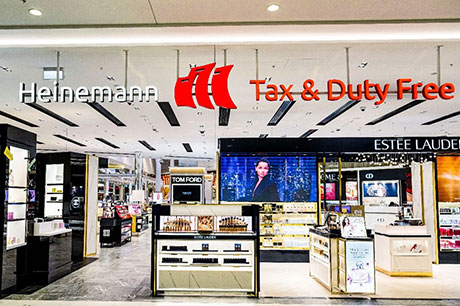
The plan spans the next 18 months and will see homegrown beauty retailer Mecca entering duty-free for the first time with a standalone store within the beauty zone of the Heinemann Tax & Duty Free shop next month (August, 2026).
The move, which builds upon Mecca’s network of more than 110 stores across Australia and New Zealand, will bring coveted beauty brands to the Heinemann beauty lineup, such as Diptyque, Byredo, Emma Lewisham, Westman Atelier and Glossier, alongside Mecca’s in-house brands, Mecca Cosmetica, Mecca Max and kit. A curated offering of Mecca’s beauty services will also be available.
“We’re delighted to welcome Mecca to Sydney Airport’s international retail offering, building on its existing presence in our domestic terminals, giving even more travellers access to one of Australia’s most loved beauty destinations,” said Mark Zaouk, Group Executive Commercial Sydney Airport.
“The addition of Mecca further strengthens our premium retail offering, giving passengers access to an exceptional range of beauty products and leading luxury brands before they depart. It’s another example of our commitment to delivering a world-class airport experience that showcases the very best of Australian retail.”
The broader duty-free retail refresh, which is set to be completed in mid-2027, will also include a complete redevelopment of the wines and spirits, tobacco and confectionery zone, a significant expansion of the Heinemann-operated Hermès boutique and the refurbishment of arrivals and gate shops. More new developments will be announced in due course, according to Heinemann.
The transformation is said to be the result of ‘many months of exchange between Heinemann and Sydney Airport’ on the challenges and opportunities in their shared business, and how to breathe new life in the duty-free shopping experience– all with a ‘laser focus’ on topline sales growth.
“We are thrilled to partner with Heinemann and Sydney Airport to introduce the Mecca experience to both Australian travellers and international visitors for the first time,” commented Maria Tsaousis, Chief New Concepts Officer at Mecca.
“This milestone marks an exciting opportunity for us to connect with a global audience and to reimagine our signature Mecca customer experience within an international travel setting, providing travellers with a feel-good space to inspire and unlock a sense of self-care, creativity and love, while in transit.”
The duty-free initiative is the latest step in a number of retail upgrades at Sydney Airport. Aesop recently made its duty-free debut at the hub with a 73 sqm boutique in May 2026.
Plus, following its successful re-entry into Sydney Airport with Heinemann in T2 Domestic, Victoria’s Secret will also expand its footprint into international duty-free for the first time in Australia with a new 120 sqm boutique that will feature a full fashion and beauty range. The beauty assortment will also feature throughout Heinemann’s primary duty-free zone, and in arrivals stores.
“This project is born out of Heinemann and Sydney Airport’s shared recognition that something needs to change in our industry. It takes a lot of trust and deep partnership in order to have had the open discussions we have been having over most of 2025, but the end result will be a more elevated passenger experience, a more appealing retail offer, and a more commercially robust business in Sydney Airport,” commented Heinemann Asia Pacific CEO Johannes Sammann.
“I am grateful for the strong partnership with Sydney Airport, Mecca, Aesop, Victoria’s Secret and all of our brand partners, which has made this very exciting transformation possible.”
The new boutique will mark the brand’s first duty-free location in the region.
Balenciaga has expanded its travel retail footprint with the opening of a new boutique at Istanbul Airport, marking the brand’s first duty-free location in the region.
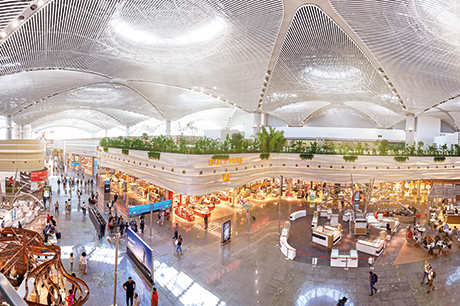
Located in the international departures area of Türkiye’s largest airport, the 72sq m store is operated in partnership with iGA and Unifree Duty Free and is open 24 hours a day, seven days a week.
The boutique offers a curated selection of current men’s and women’s collections, including handbags, footwear, hats, scarves and travel accessories such as wallets and phone cases.
The store has been designed according to Balenciaga’s Raw Architecture retail concept, which combines industrial-inspired materials with softer design elements. Untreated concrete walls and shelving, poured concrete flooring and metal display units are complemented by a backlit ceiling panel, beige carpeting and cream-coloured velvet seating.
The design also reflects elements of Istanbul Airport’s architecture, incorporating warm tones that complement the terminal’s bronze-clad storefronts. The exterior features illuminated Balenciaga branding alongside a raw steel-framed entrance.
The opening further strengthens Balenciaga’s presence in global travel retail while adding a new luxury fashion offer to Istanbul Airport’s international retail portfolio.
CDFG’s Sanya International Duty Free Shopping Complex in Hainan.
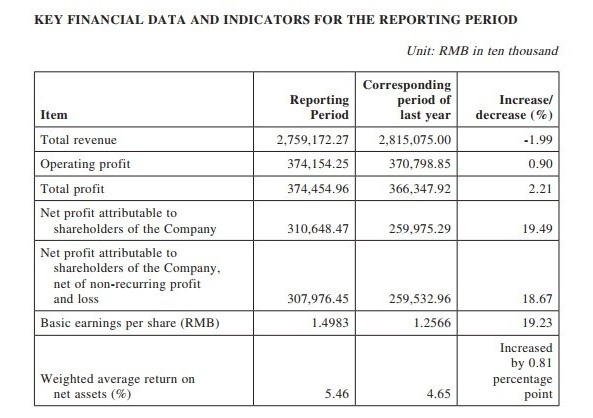
China Tourism Group Duty Free Corporation (1880.HK) – the largest travel retailer by far in China, and among the world’s biggest – saw revenue slightly down by -2% in the first half of 2026. However, operating profit climbed into positive territory (+0.9%) while net profit attributable to shareholders jumped by +19.5%.
The company, better known in travel retail as China Duty Free Group (CDFG) generated H1 revenue of RMB27.6bn / $4.08bn, with an operating profit of RMB3.74bn / $552.6m. This continues the turnaround seen in the final quarter of 2025, during a full year where the key figures in the P&L were all negative.
Image Credit: CTG Duty Free/CDFG
The key financials for H1 2026 show a turnaround is in progress.
CDFG’s improved financial footing was helped by “fully capitalising on the opportunities presented by the island-wide special customs operations in the Hainan Free Trade Port and the implementation of new offshore duty-free policies,” said the company in a statement issued to the Stock Exchange of Hong Kong on Tuesday. This is one of two exchanges where CDFG is listed, the other being Shanghai.
On the cusp of a new growth era for CDFG?
In March, CTG Duty Free’s Chairman, Yunjun Fan, described 2025 as a period “defined by both challenges and opportunities”. He said: “Faced with a complex and volatile macro environment… we leveraged our strategic focus to withstand market fluctuations and employed a pragmatic approach to tackle development challenges.”
So far in 2026, this approach seems to have reaped the right results. The stock was up by +8% in the past week, but still down -35.7% year-to-date. The company has continued to consolidate its pole position in the Hainan market, where it claims it is growing its market share. In the wider China market, CDFG had a share of almost 80% in 2024 (source: Data100), and that has almost certainly increased. The retailer is also benefiting from the revival of the Asia-Pacific aviation market, particularly at some key Chinese hubs.
CDFG has stepped up its drive for operational improvements while enhancing its duty-free stores in key airports. Meanwhile, the acquisition of DFS’s retail business in Greater China is claimed to have “delivered solid integration results and favourable economic returns following the closing”.
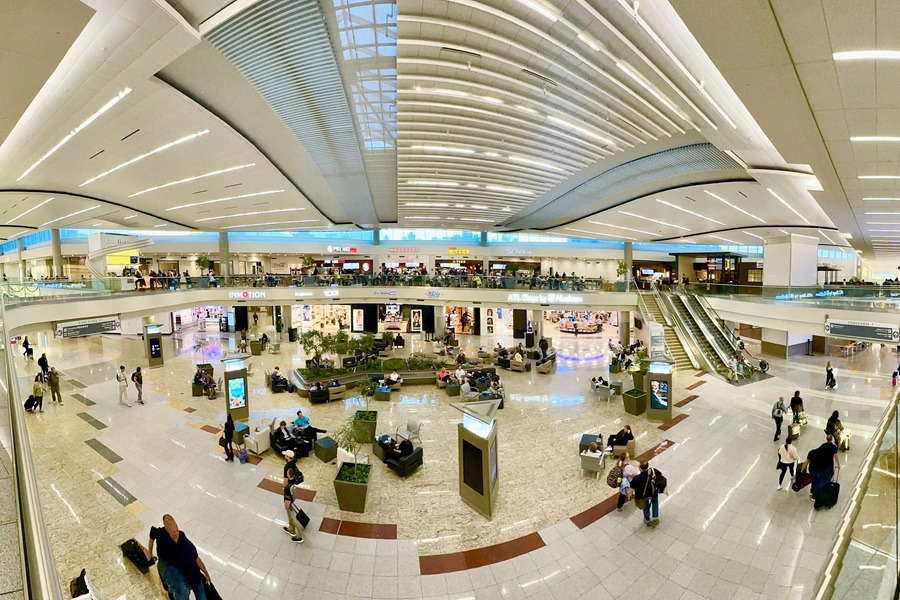
Atlanta’s Hartsfield-Jackson has retained its top spot.
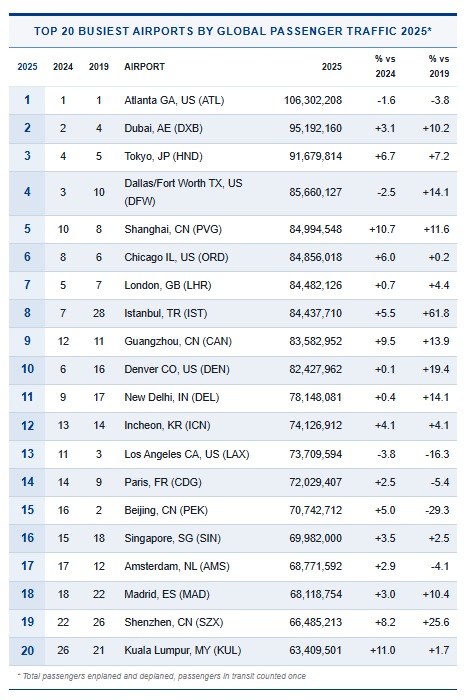
Airports Council International (ACI) World has released its definitive list of the world’s busiest airports alongside final 2025 data confirming that global air travel reached 9.8 billion passengers. Among the Top 20, Asian hubs have made a strong comeback.
The industry has been closing in on a 10-billion-passenger breakthrough, according to the 2026 ACI World Airport Traffic Dataset released today. However, the Middle East crisis, which has recently been thrown into turmoil again by renewed US strikes on Iran, might prevent that goal from being reached in 2026.
In addition, ACI World Director General Justin Erbacci said: “Global air travel is approaching a historic milestone, but record demand is also exposing growing pressures on capacity. The planning and investment decisions made today will determine whether aviation can meet the demands of the next generation of travellers.”
The 2025 dataset, which covers 2,817 airports across more than 180 countries and territories, shows that global passenger traffic rose +3.7% year-on-year, and +6.5% above 2019 levels. Five US airports, due to their large domestic traffic, dominate the Top 20 leaderboard. Four are in the Top 10, led by Hartsfield-Jackson Atlanta International Airport (ATL) ranked 1stwith 106.3 million passengers (down –1.6%). They are predominantly national hubs, with domestic traffic accounting for between 80-95% of total passengers.
Nine Asia-Pacific airports in the Top 20
Image Credit: ACI World
ACI World’s definitive list of the world’s busiest airports, 2025.
Dubai International (DXB) was in 2nd place again, but the big shift was with Asia-Pacific airports. They accounted for nine places in the Top 20, up from seven in 2024, led by Tokyo’s Haneda (HND) in 3rd place with 91.7m passengers, up +6.7%. Meanwhile, Kuala Lumpur International (KUL) and Shenzhen (SZX) were new entries (see chart).
KUL was the biggest mover in the Top 20, rising six places from 26thin 2024 to 20thin 2025. The airport handled 63.4m passengers, up +11% year-on-year, supported by capacity expansion, robust domestic traffic growth of +17%, international demand up +8.7%, and stronger connectivity with China and other key markets. The airport is therefore well positioned to capitalise onVisit Malaysia 2026.
Shanghai Pudong Airport (PVG) posted the second largest jump, climbing five places from 10th to 5th. Its +10.7% passenger growth was driven by the rebound in international travel, supported by visa policy easing and expanded global connectivity, reflecting the broader reopening of China’s aviation market.
Meanwhile, the other Top 20 newcomer, China’s SZX, climbed three places to 19th with 66.5m passengers, up +8.2%, and well ahead of pre-Covid 2019 by +25.6%, the strongest rebound of any Chinese airport in the Top 20. In terms of trajectories, Guangzhou Baiyun Airport (CAN) has been notable. The gateway topped the global table in 2020 (during Covid), but fell to 57th place in 2022 before rising up again, tohold 9th place in 2025.
TRBusiness Top 10 international airports analysis
The world’s 20 busiest airports handled 1.59 billion passengers, representing 16% of all air travellers globally. For travel retailers and duty-free operators, it is the airports with the biggest throughput of international passengers – who tend to be the higher-spenders – that are of most interest.
Included with the next issue of TRBusiness, out soon,watch out for a separate ezine supplement that examines in detail the retail operations of the world’s busiest international hubs. Each airport is profiled in the context of the Middle East crisis and their individual travel retail strategies and latest developments.
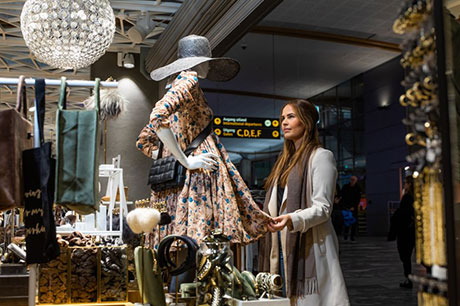
Norwegian airport operator Avinor is launching tenders for retail spaces across the airports in Oslo, Bergen, Stavanger, and Trondheim, with an estimated total value exceeding NOK4,5 billion (approximately US$470,7m) over a five-year period.
Approximately 30 retail spaces have been announced as part of the tender, covering a wide range of categories, including fashion and sportswear, bookstores, electronics, souvenirs, accessories, sunglasses, sweets, gifting/lifestyle and delicacies.
As well as aiming to elevate the customer experience at the airports, Avinor said the tenders will help ‘ensure stability and predictability in commercial revenues’.
“We look forward to developing an even more relevant and inspiring commercial offering at our largest airports,” said Iskra Skram, VP Commercial Development Terminal at Avinor.
“These tenders provide us with the opportunity to establish long-term partnerships that not only enhance the commercial offering and improve the travel experience but also contribute to creating strong revenue streams.”
The tenders are also said to mark ‘significant milestones’ in Avinor’s commercial strategy, laying the foundation for the development of an ‘attractive, modern, and diverse commercial offering within the terminals – while ensuring sustainable value creation in the years ahead’.
Indeed, Avinor is looking to transform its terminals into ‘vibrant spaces where functionality and inspiration go hand in hand’.
“By consolidating and optimising terminal spaces, we can create a more cohesive and attractive offering for travellers,” said Joachim Lupnaav Johnsen, Executive Vice President for Commercial Areas at Avinor.
“This is an important step in enhancing the customer experience and ensuring that our airports appeal to both Norwegian and international travellers.”
For travellers, this will give rise to a retail offering that blends trends and seasonal variations with a mixture of well-known international and Norwegian brands.
Local businesses and Norwegian/Nordic characteristics are also set to be highlighted, where relevant.
In terms of the partners Avinor is seeking, the operator states it’s looking for those capable of creating ‘unique and relevant concepts tailored to the airport environment and passenger traffic’.
‘The ideal partners will combine commercial strength with the ability to deliver inspiring customer experiences. They should be customer-focused, adaptable, and capable of evolving in line with emerging trends and a changing passenger mix,’ said Avinor.
FAST FACTS
Airports: 4 (Oslo, Bergen, Stavanger, and Trondheim)
Number of premises: Approximately 30 retail spaces
Estimated contact value: Over NOK 4,5 billion (based on available forecasts)
Total passenger base: 53 million (2025), expected to grow to 56 million by the start of the contracts
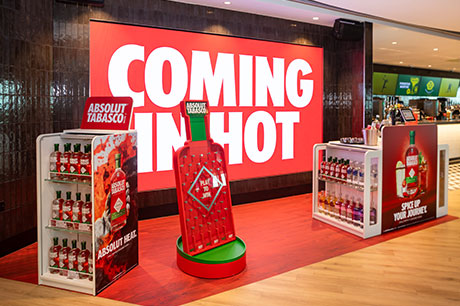
The Absolut Tabasco activation was situated within the Sporting Chance bar at Manchester Airport T3.
A first-of-its-kind hybrid F&B offering for Absolut Tabasco at Manchester Airport helped Pernod Ricard GTR to expand on the way it connects with shoppers by engaging with them outside of the traditional duty-free space.
Pernod Ricard Global Travel Retail’s (GTR’s) recent takeover for Absolut Tabasco at Manchester Airport (MAN) marked the first time in the UK that the drinks giant has brought to life a hybrid food and beverage (F&B) offering in the channel. A variety of factors converged to make it the right opportunity for such a venture.
“It made total sense to us to pair our biggest strategic investment for Absolut in GTR with the largest food and beverage concept in Avolta’s UK portfolio,” Rae Gibson, Director, Power Brands and Emerging Categories, Pernod Ricard GTR, told us in this exclusive interview.
“The opportunities presented by the 469-seater Sporting Chance bar at Manchester Airport T3 aligned perfectly with our strategy to step up, disrupt and differentiate.
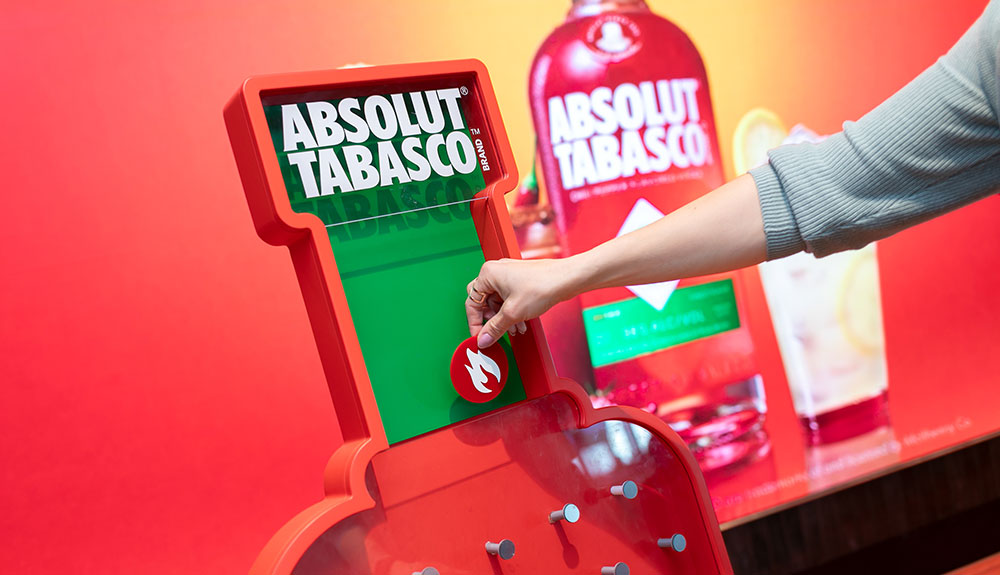
“Through its iconic branding and playful ‘volcanic’ ad campaign, Absolut Tabasco enjoys incredible stand-out in an increasingly competitive environment and leans into the innovation, retail theatre, and tasting-led engagement offered at the bar’s integrated activation area. The synergies between our signature serve, the Spicy Bloody Mary, and the travel/flying ritual were also ripe for optimisation so it was a natural fit to feature this hero cocktail on the menu for the duration of the partnership (eight weeks from March to May 2026).”
Image Credit: TR Consumer Forum 2026
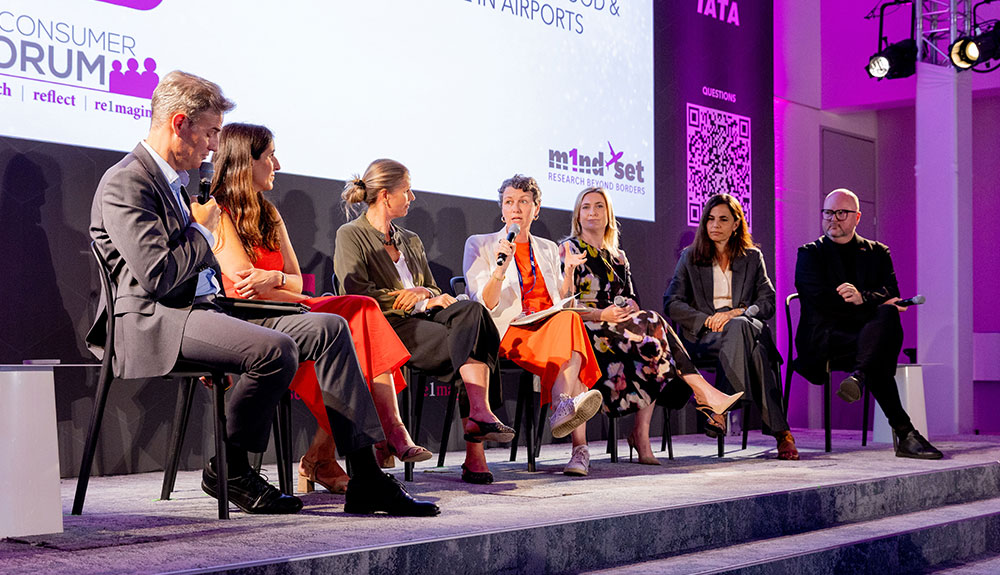
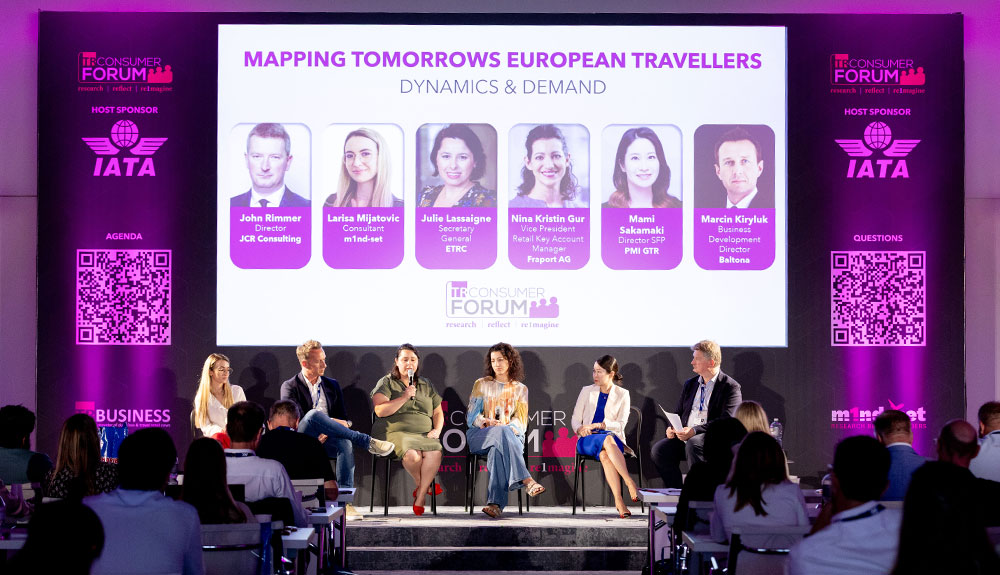
Rae Gibson, Director, Power Brands and Emerging Categories, Pernod Ricard GTR at the TR Consumer Forum 2026 in Geneva.
PR GTR worked with retail partner Avolta to build a unique and engaging omnichannel experience that connects two key moments in the traveller journey: duty-free shopping and a visit to the airport bar and restaurant.
“The supporting paid media ran across CRM, digital, social media and in-store TV, leveraging Avolta’s unique shopper data and featuring Absolut’s award-winning ‘Walk on the Wild Side’ volcanlogists commercial,” she explained.
“Print collateral on the bar and tables of Sporting Chance promoted the offer to customers, while Club Avolta members were drawn in by an immersive gaming activation in the Club Avolta app. We also partnered with Uber again to target passengers en route to Manchester Airport with a series of ads to drive footfall to the bar and HPP, and redeem a special offer.”
Strong gains
The Absolut Tabasco takeover at MAN builds on the hybrid concepts PR GTR has brought to life between the Perfume & Cosmetics and Wine & Spirits categories. According to Gibson, these achieve three key things: driving cross-traffic, reaching new audiences and increasing market share.
“The industry-first collaboration between Pernod Ricard’s luxury blended Scotch, Royal Salute, and L’Oréal Paris Travel Retail saw the debut of an immersive, bar-inspired outpost at Bangkok’s Suvarnabhumi Airport offering skincare consultations to mostly male passengers, while incentivising visits to the airport lounge with signature whisky cocktails using the 21 Year Old The Vintage Blend 2002 GTRX, and based on the scents of the Men Expert Age Protect Anti-Aging range,” she said.
“Co-branded displays in both Wines & Spirits and Perfumes & Cosmetics, supported by a multi-partner OOH campaign, boarding pass ads, gamification and the airport shopping concierge service helped drive footfall in both directions, ultimately reaching an average of three million travellers and increasing sell-out for both brands in excess of +35% vs. the month prior to activation.”
Image Credit: Pernod Ricard GTR
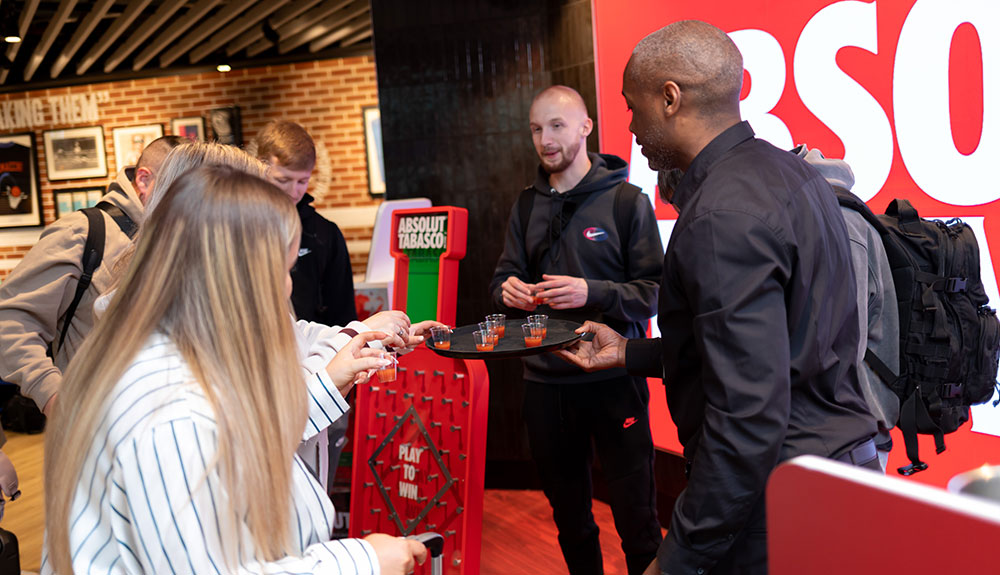
PR GTR worked with Avolta to build a unique and engaging omnichannel experience.
A subsequent collaboration between Lancôme and Maison Perrier-Jouët, was supported by Avolta at São Paulo Guarulhos International Airport and centred on ‘premiumisation, innovation and crafting unforgettable experiences’ across both categories.
“Marking its first foray into Brazilian travel retail, the alliance with Lancôme and intertwining of fragrance, make-up and the sampling of cuvées from the Collection Belle Epoque played a pivotal role in building brand equity and reinforcing our GTR strategy for Perrier-Jouët,” said Gibson. “It also contributed to parent company L’Oréal making the year’s strongest gains in that region, and elevated the ranking of both brands at GRU. So we know that hybrid concepts work, as long as the brand partners and retailer are aligned.”
Encouraging cross-visitation
A good lesson for anyone planning a hybrid travel retail/F&B activation is working out how to utilise traveller dwell time better, said Gibson.
Image Credit: Pernod Ricard GTR
Tasting-led engagement was offered at the bar’s integrated activation area.
“Alcohol shoppers are spending 1.5 hours+ airside and 96% say they’re not feeling time pressure, so when their top airport activities are shopping, relaxing and exploring F&B options it’s our job to increase value from that passenger journey by encouraging more cross-visitation,” she said.
It underscores how F&B and retail are no longer being viewed as isolated revenue streams in DF&TR but interconnected elements of the passenger journey.
“As we’ve set out, collaborations such as this make it easier for time-pressed travellers to combine three of their favourite things to do at the airport: eat, drink and shop,” said Gibson. “We know that bars/cafés are not just functional spaces in the airport, but a very important touchpoint in moving travellers – especially alcohol shoppers – towards purchase. They provide a strong moment for consideration and a useful bridge into store conversion.
“At Manchester, Avolta has proven that incorporating a travel retail activation area into its flagship bar improves brand visibility for its World Duty Free products. We absolutely expect to see, and take part, in more of these cross-category partnerships going forward.”
This feature first appeared in the June 2026 issue of TRBusiness magazine. Click here to read.
Visit TRConsumerForum.com to find out more about the TR Consumer Forum 2026 – and our on-location reporting at TRBusiness.com
ETRC supports the flexible and pragmatic rollout of EES.
In this exclusive interview, Julie Lassaigne, Secretary General of the European Travel Retail Confederation (ETRC), brings us up to date with the key priorities on the radar, from the impact of the EES on non-aeronautical revenue to advocacy becoming more data-driven, proactive and collaborative.
What are the biggest regulatory threats currently facing the European travel retail sector?
Lassaigne: The biggest challenge is the risk for travel retail to become caught within broader regulatory debates that are not always designed with our channel in mind including serving an international customer base and cross-border mobility. The cost of compliance, not only financial but also operational, often disproportionately impacts travel retail suppliers and retailers.
Whether we are discussing sustainability legislation, packaging requirements, consumer protection measures or restrictions on specific product categories, policies that fail to recognise these distinctions can create disproportionate compliance burdens and unintended economic consequences for retailers, brands but also the wider transport and tourism ecosystem.
Which advocacy priorities are demanding the most attention from ETRC this year?
Our priorities are centred on ensuring that travel retail remains properly understood and appropriately represented in European policymaking. This includes engagement on sustainability and packaging legislation, discussions around excise and customs frameworks, evolving consumer policies, and the implementation of regulations that affect international passenger flows and retail operations.
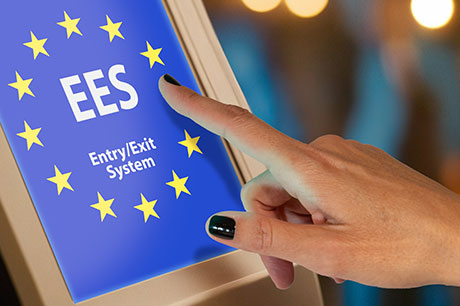
Recently, we wrote to the European Commission to highlight the negative impact on non-aeronautical revenue due to the full implementation of the EU Entry/Exit System (EES) at European airports. Passenger delays at borders mean that once through security, passengers have no time, nor desire to shop (or eat) on arriving airside.
We therefore support flexible and pragmatic rollout of EES especially with the summer season just ahead of us.
Where do you see the greatest disconnect between policymakers’ perceptions of duty-free and the realities of the business?
One of ETRC’s priorities is demonstrating the sector’s broader economic value and ensuring that policymakers recognise travel retail as an important contributor to airport revenues, connectivity, employment and tourism competitiveness across Europe.
One common misconception is that duty-free and travel retail is simply a discretionary retail activity operating in isolation. In reality, our sector forms an integral part of the transport and travel ecosystem.
Revenue generated through travel retail supports airport infrastructure, route development and passenger services. In many cases, non-aeronautical revenues help airports remain competitive and reduce pressure on airline charges. Policymakers do not always appreciate the extent to which travel retail contributes to the financial sustainability of airports and, by extension, European connectivity. The same goes for maritime transport with cruise and ferry lines which are very dynamic sectors in some parts of Europe.
Image Credit: TR Consumer Forum 2026
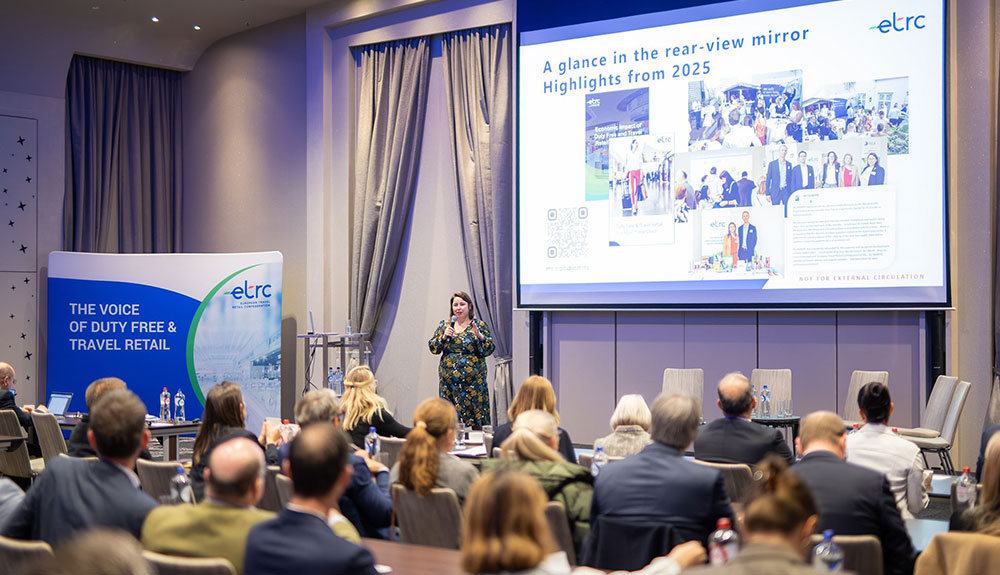
ETRC Secretary General Julie Lassaigne at the TR Consumer Forum 2026 in Geneva.
How has ETRC’s advocacy approach evolved in response to today’s more complex political environment?
The policy landscape has become more interconnected and significantly more complex. As a result, our advocacy has become increasingly data-driven, proactive and collaborative. The objective is to ensure that travel retail is part of the conversation before policy positions become adopted – even if policy-makers do not always views exemptions favourably.
We work more closely with industry partners and place greater emphasis on evidence-based policymaking. We are also investing more resources in demonstrating the economic, employment and sustainability contributions of the sector – with the launch of our economic impact study last year for example.
Are there areas where the industry still needs to become more aligned in its messaging to regulators?
Overall, the industry is increasingly aligned, but there is always room to strengthen our collective voice. We need to continue presenting a consistent message around the economic contribution of travel retail, the importance of proportionate regulation and the sector’s commitment to sustainability.
Regulators are most receptive when they hear the same core messages from retailers, brands, landlords and industry associations. Consistency strengthens credibility and improves the industry’s ability to influence outcomes. I am convinced this was what made the MOP4 campaign last year a resounding success for our industry.
What role should retailers, brands and airports play in supporting collective advocacy efforts?
Advocacy is most effective when it reflects the entire ecosystem. Retailers, brands and landlords all have valuable perspectives and evidence that can help policymakers understand how proposed regulations affect real businesses, employees and consumers.
Industry stakeholders can support advocacy by sharing data, participating in consultations, engaging with national and European policymakers, and helping communicate the wider economic and social value of travel retail. A coordinated industry voice is far more powerful than individual interventions.
If your organisation is not a member of your local or regional association such as ETRC, now is the time.
Are policymakers sufficiently recognising the economic contribution of travel retail to aviation and tourism ecosystems?
There is growing recognition, but more work remains to be done. Policymakers generally understand the importance of aviation and tourism, yet the specific role played by travel retail is sometimes overlooked. Don’t forget as well that policy-makers change frequently, and we sometimes need to start (almost) from scratch sometimes.
Travel retail generates employment, supports airport investment, enhances passenger experience and contributes to destination attractiveness. At a time when Europe is focused on competitiveness, connectivity and economic growth, these contributions deserve greater visibility within policy discussions – also the role of our channel in promoting Europe as a touristic destination.
I recently represented ETRC at a high-level Strategic Dialogue on the EU Sustainable Tourism Strategy organised by EU Commissioner for Tourism and Transport Apostolos Tzitzikostas. One of the points we highlighted was that through a strong ‘Sense of Place’ approach, travel retailers operating across European airports, ports, ferry routes and cruise lines promote European brands and local craftsmanship – showcasing European excellence worldwide.
Image Credit: 2026 ETRC Business Forum
Secretary General Julie Lassaigne at the 2026 ETRC Business Forum in Amsterdam in January.
How is ETRC helping members navigate increasing sustainability expectations from regulators and consumers?
Sustainability has become a central issue for all sectors, including travel retail. ETRC supports members by monitoring regulatory developments, facilitating dialogue across the industry and sharing best practices.
Our role is also to help ensure that sustainability policies are practical, effective and compatible with the realities of international travel. The industry is committed to reducing its environmental footprint, but successful implementation requires regulatory frameworks that are both ambitious and workable.
How are geopolitical tensions and economic uncertainty influencing ETRC’s priorities?
The travel retail industry operates at the intersection of commerce, travel and international connectivity. Geopolitical developments, supply chain disruptions and economic uncertainty have reinforced the importance of resilience and predictability. Businesses need stable regulatory environments to invest, plan and grow.
These factors also highlight the value of maintaining efficient international travel and trade flows. ETRC is therefore focused on policies that support competitiveness, preserve passenger mobility and avoid unnecessary barriers that could undermine recovery and long-term growth.
Which emerging policy issues should travel retail stakeholders be paying closer attention to now?
The industry should closely monitor developments related to sustainability regulation, packaging and waste legislation, digital policy initiatives (applications of AI in particular), evolving customs and border processes, and discussions affecting key product categories.
At the same time, broader debates around European competitiveness, transport policy and tourism strategy will increasingly shape the operating environment for travel retail. The industry must remain engaged and proactive to ensure that policymakers understand both the opportunities and the consequences associated with future regulatory decisions.
Our responsibility at ETRC is to ensure that policymakers have a clear understanding of the sector’s unique characteristics and its contribution to Europe’s economy. Constructive dialogue, evidence-based policymaking and strong industry collaboration will remain essential as we navigate an increasingly complex regulatory environment.
This feature first appeared in the June 2026 issue of TRBusiness magazine. Click here to read.
Visit TRConsumerForum.com to find out more about the TR Consumer Forum 2026 – and our on-location reporting at TRBusiness.com
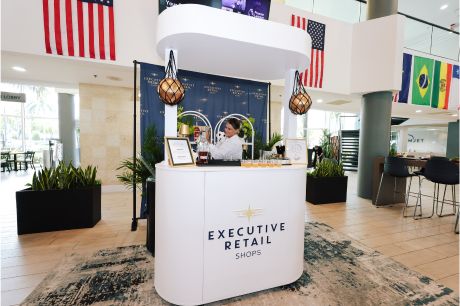
The activation is running from 14 June to 19 July.
Executive Retail Shops (ERS) has created a World Cup-themed activation at Sheltair FBO, Fort Lauderdale-Hollywood International Airport.
Running from 14 June to 19 July, the activation welcomes private aviation travellers with a series of branded experiences designed to enhance the customer journey while showcasing the retailer’s luxury retail offer.
Passengers aged 21 and over are greeted with a welcome cocktail featuring brands including Bumbu Rum, Tito’s Handmade Vodka and Angel’s Envy Bourbon.
The activation also includes mini soccer games and interactive experiences, bringing the tournament theme into the private terminal environment.
In addition, travellers are invited to visit ERS’ newly opened 346sq ft retail boutique, which offers a curated selection of luxury fragrances and premium spirits.
ERS said the activation reflects its continued focus on enhancing the private aviation retail experience through tailored programming that engages high-net-worth travellers and aligns with major global events.
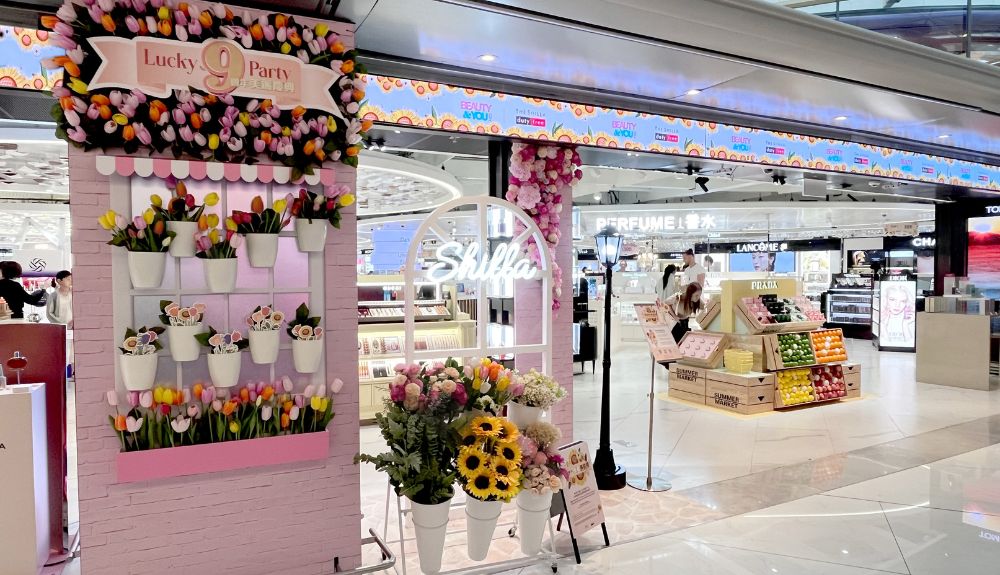
BEAUTY&YOU by The Shilla Duty Free is celebrating its ninth anniversary at Hong Kong International Airport (HKIA) with the Shilla Lucky No. 9 Party campaign, running until 17 September.
The event incorporates new brand introductions, exclusive product launches, interactive experiences and shopper rewards across the retailer’s East Hall beauty stores at HKIA.
Centred on the theme “Bloom & Shine”, the campaign features in-store installations, brand experiences and promotional offers designed to enhance the shopping experience across skincare, makeup, fragrance and personal care.
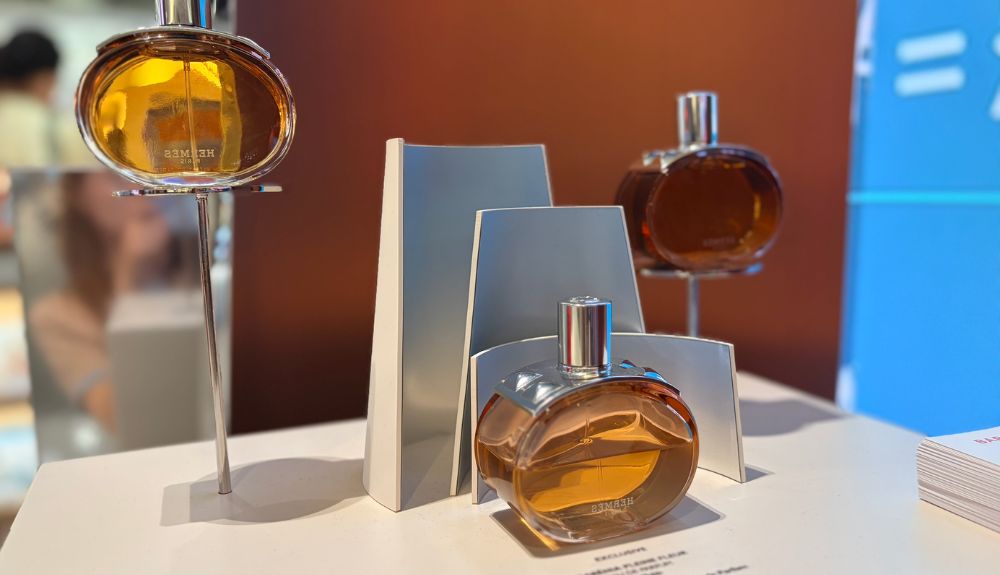
A key highlight is the global airport premiere of Hermès Parfum & Beauté’s new fragrance, Barénia Pleine Fleur, which is being unveiled exclusively at BEAUTY&YOU.
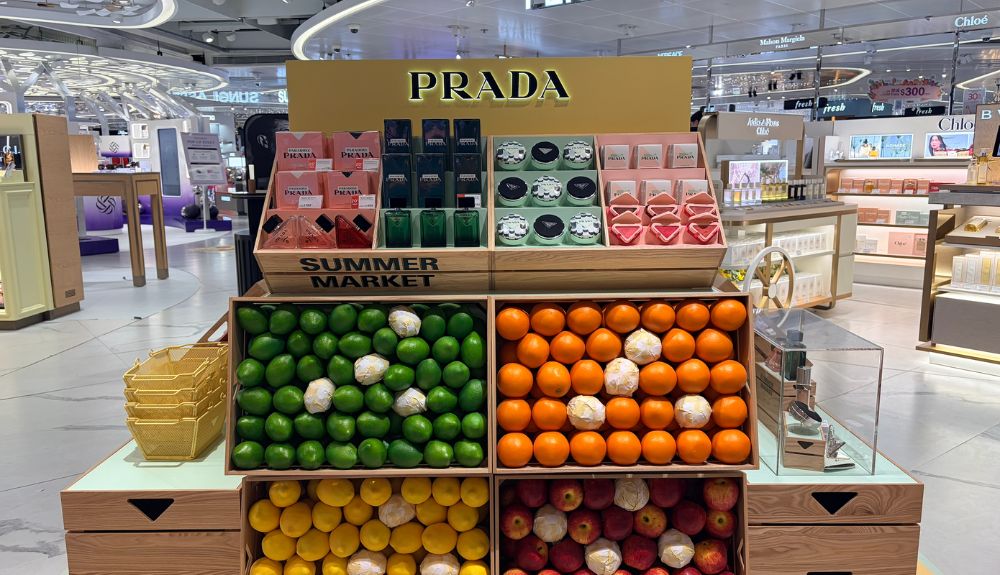
The anniversary campaign also marks the debut of four L’Oréal Group beauty brands at BEAUTY&YOU. Prada Beauty has introduced its makeup collection at the East Hall South Store, while Kérastase has launched haircare counters in both the East Hall South and East Hall North stores.
Aesop has rolled out its fragrance and body care range at the East Hall South Store, and SkinCeuticals has opened at the East Hall North Store.
Image Credit: The Shilla Duty Free
Centred on the theme “Bloom & Shine”, the campaign features in-store installations, brand experiences and promotional offers.
The Shilla Lucky No. 9 Party campaign includes what is described as a four-station sensory exploration journey. Large-scale floral displays have been installed at the entrances to the East Hall South and East Hall North boutiques.
A flower shop-inspired activation invites travellers to visit the “Pick Your Exclusive Bloom” zone. Visitors who follow any of BEAUTY&YOU’s official social media channels on Instagram, Facebook, Xiaohongshu or WeChat receive a scented floral card and a HK$50 (US$6.37) shopping voucher. Travellers can also create a personalised souvenir scented bouquet.
Image Credit: The Shilla Duty Free
A key highlight is the global airport premiere of Hermès’ new fragrance, Barénia Pleine Fleur.
As part of the anniversary promotion, travellers who present a personal item or document displaying the number nine – including a passport, ID card, electronic boarding pass, phone number or date of birth – receive a complimentary deluxe beauty gift.
Participating brands include Augustinus Bader, Aveda, Bobbi Brown, Caudalie, Cellcosmet, Estée Lauder, Fresh, Givenchy Beauty, M·A·C, Make Up For Ever, Michael Kors Fragrance and Rituals.
The campaign also features a programme of pop-ups, such as the Prada Beauty summer market-themed activation, where visitors receive exclusive sticker sheets and qualifying purchases receive a limited-edition Prada Cabas Bag.
Image Credit: The Shilla Duty Free
The campaign also features a programme of pop-ups, such as the Prada Beauty summer market-themed activation.
To support the BEAUTY&YOU 9th Anniversary campaign, a number of leading beauty brands are showcasing hero products and exclusive gift sets.
Finally, BEAUTY&YOU is also running a “Bloom Flash Sale”, offering discounts of up to 60% on selected beauty products, complemented by tiered spend-and-redeem rewards and GWP offers.
This website uses cookies and contains content relating to the tobacco and alcohol industry. Click here to view our cookie policy. By continuing to browse this site you are agreeing to our use of cookies, are aged over 18 and permitted to see tobacco and alcohol content intended for a business to business audience.

 Trbusiness. The travel retail Trbusiness. The magazine for global retail and duty free professionals.